Bao Vinh Ancient Town is one of the most understated historical destinations in central Vietnam. Located along the gentle flow of the Perfume River, this former trading port once played a crucial role in Hue’s commercial life. Today, it remains a peaceful riverside settlement where time seems to slow down.
For travelers looking to explore beyond royal palaces and imperial tombs, Bao Vinh Ancient Town offers a different perspective on Hue’s past. Instead of grand architecture, it tells the story of merchants, boats, markets, and everyday life. With thoughtfully designed cultural journeys by Vietpower Travel, visitors can experience this heritage site in a meaningful and unhurried way.
Unlike famous heritage towns that have been fully restored, Bao Vinh retains a raw and quiet charm. Its remaining wooden houses, river docks, and narrow streets reflect a past shaped by trade and daily life rather than tourism.
Bao Vinh Ancient Town is a historic riverside settlement located northeast of Hue’s city center. Though modest in size today, it once functioned as one of the most active commercial ports in the region.
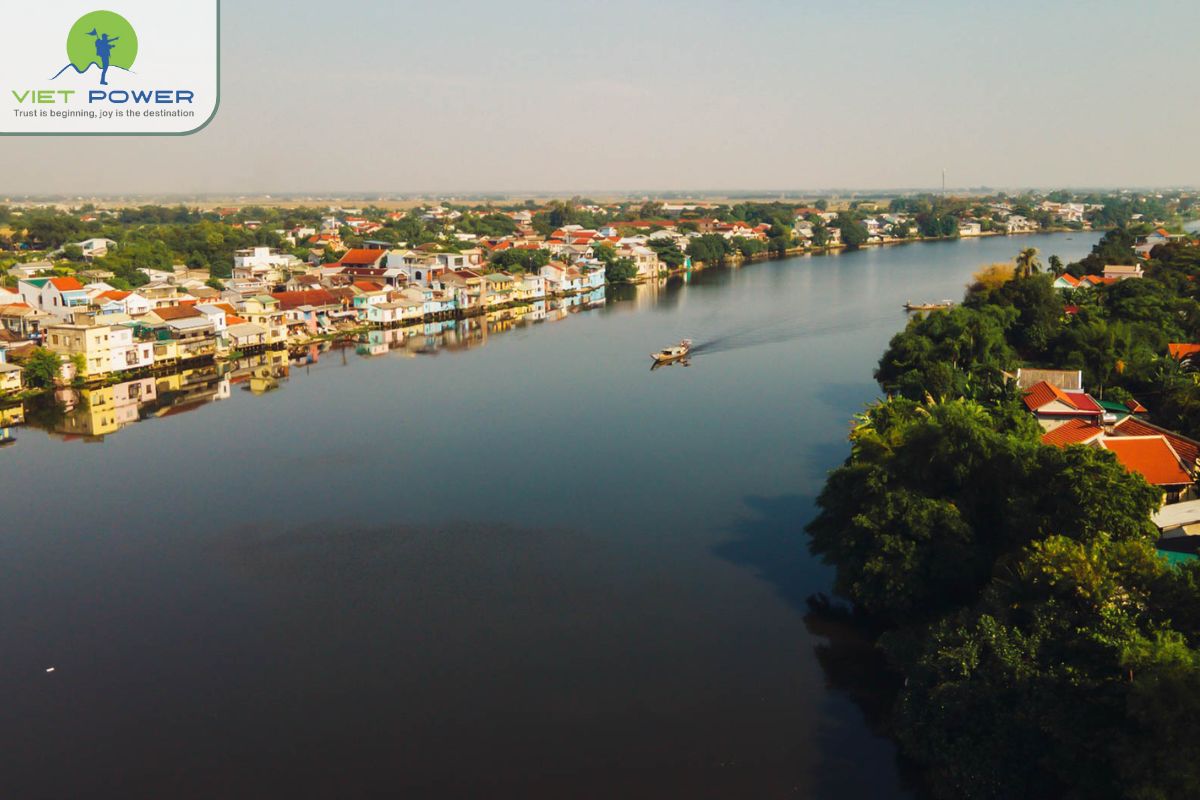
Bao Vinh Ancient Town sits along the lower reaches of the Perfume River, a vital waterway flowing through Hue. This location allowed the town to connect inland production areas with the imperial capital of Phu Xuan.
Thanks to the river, goods could move easily between rural craft villages, markets, and royal warehouses. As a result, Bao Vinh became an essential link in Hue’s economic system.
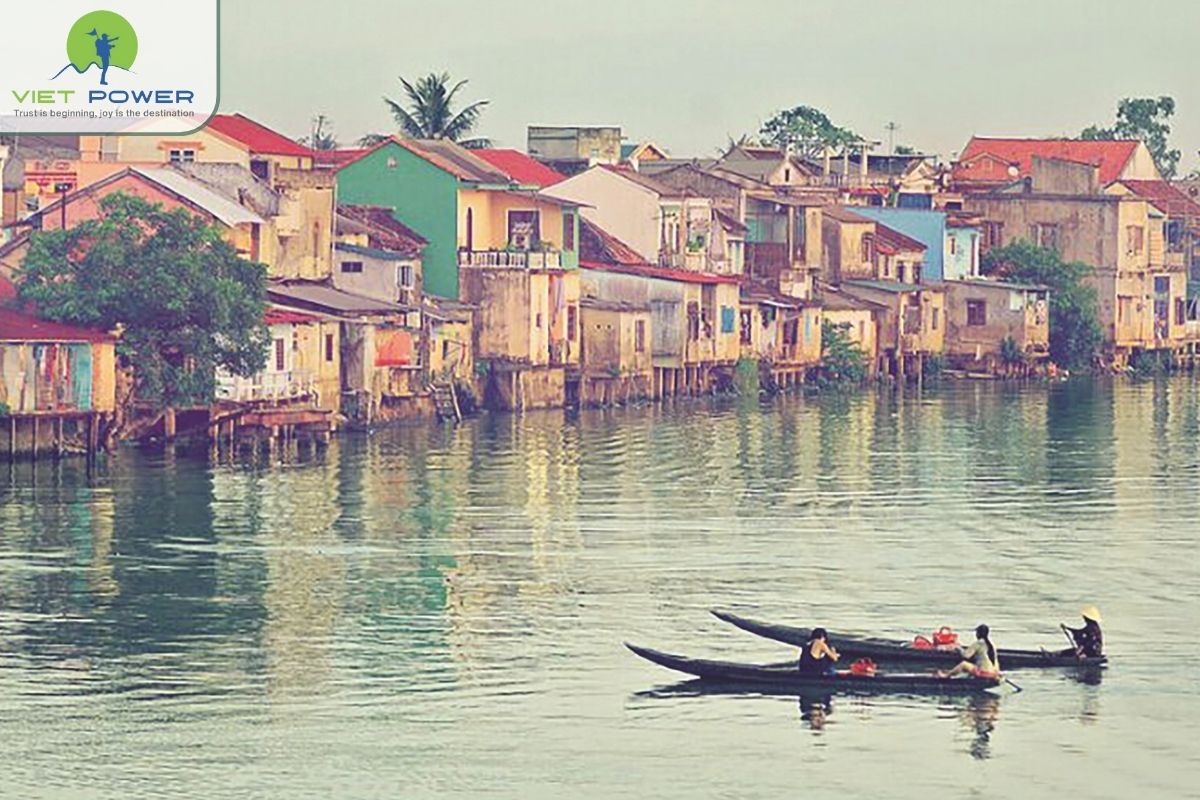
While many travelers associate Hue with royal monuments, Bao Vinh tells a different story. It represents the merchant class, river traders, and everyday commerce that supported the Nguyen Dynasty.
This perspective makes Bao Vinh Ancient Town especially valuable for visitors interested in social history and traditional urban life.
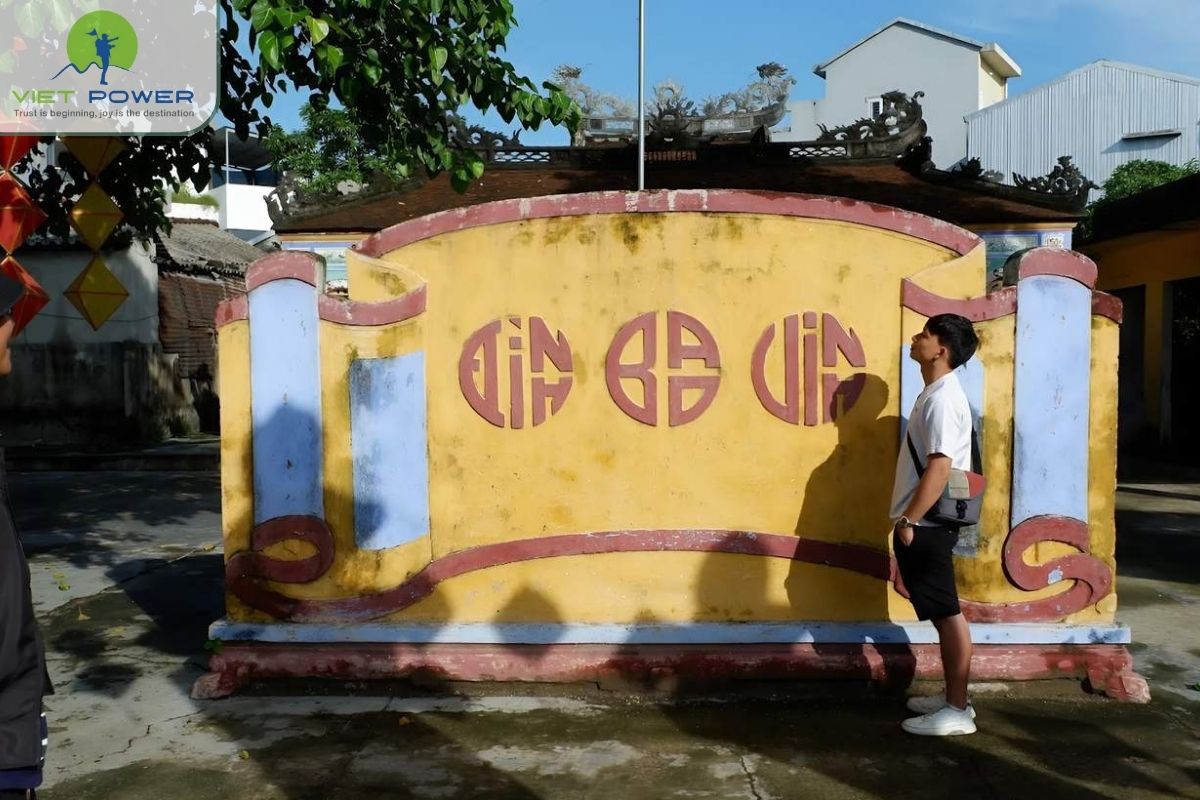
Let’s continue exploring more about Vietnam and all the incredible places it has to offer. Visit our Vietnam tourist attractions category to discover in-depth guides, travel ideas, and hidden gems across the country.
To understand Bao Vinh Ancient Town, it is important to look at its rise as a river trading port. Its history is closely tied to the growth of Hue as a political and economic center.
Bao Vinh began developing in the 17th century, alongside the nearby Thanh Ha trading port. At that time, river transport was the most efficient way to move goods in central Vietnam, becoming one of the busiest commercial centers in the Dang Trong region.
Merchant boats traveled the Perfume River carrying rice, salt, ceramics, silk, and fish sauce. Bao Vinh served as a stopping point where goods were exchanged, stored, and redistributed.
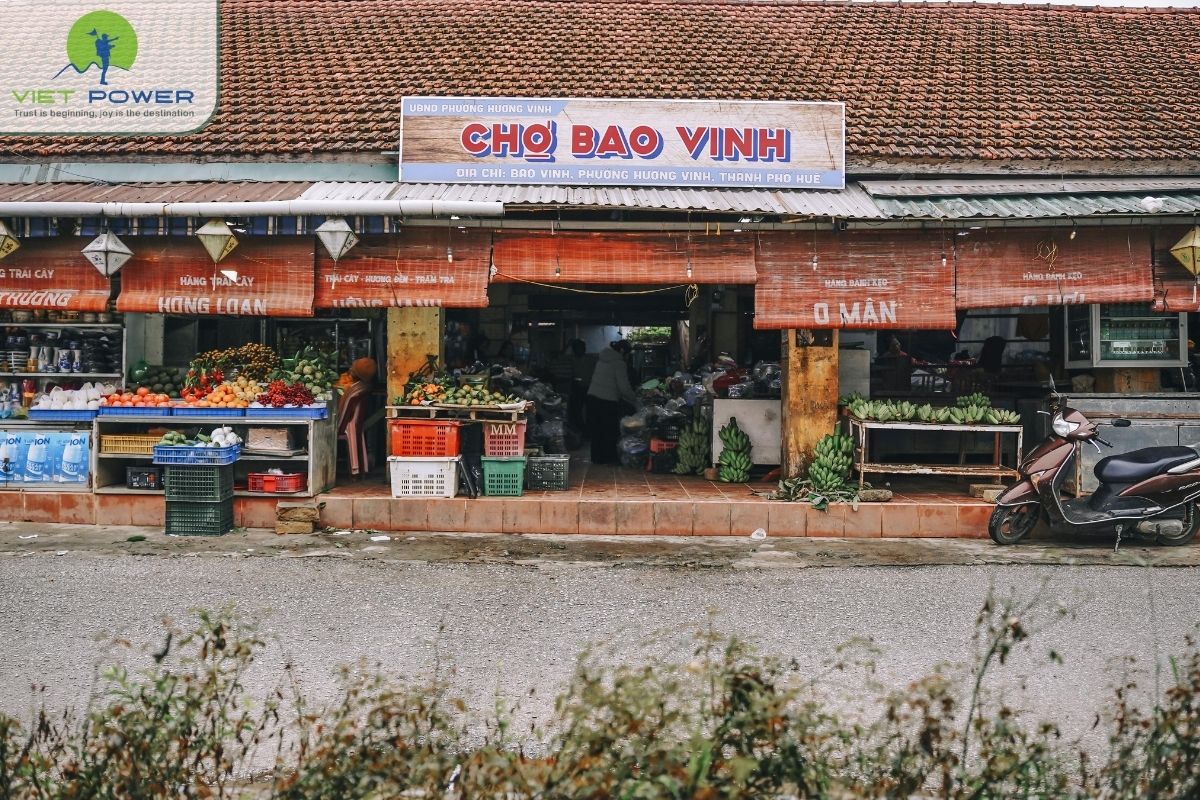
Connection to Regional and International Trade: Although inland, Bao Vinh Ancient Town was not isolated. Through river networks, it connected to coastal ports and broader trade routes. Historical records note the presence of merchants from China, Japan, and other Asian regions. These exchanges helped shape the town’s multicultural commercial character.
Fact: Floating Markets Once Filled the Perfume River at Bao Vinh. Historical accounts describe floating markets operating along the Perfume River near Bao Vinh.
Boats were tied together to form temporary trading rows where rice, salt, fish sauce, and pottery were sold directly from vessels. These river markets reduced the need for permanent stalls and allowed traders to move quickly with seasonal demand.
Bao Vinh’s prosperity began to fade during the late 19th century. Several factors contributed to this decline.
First, colonial infrastructure shifted trade routes toward new urban centers. Second, Dong Ba Market gradually replaced Bao Vinh as Hue’s main commercial hub. Over time, river trade lost importance, and Bao Vinh slowly quieted.
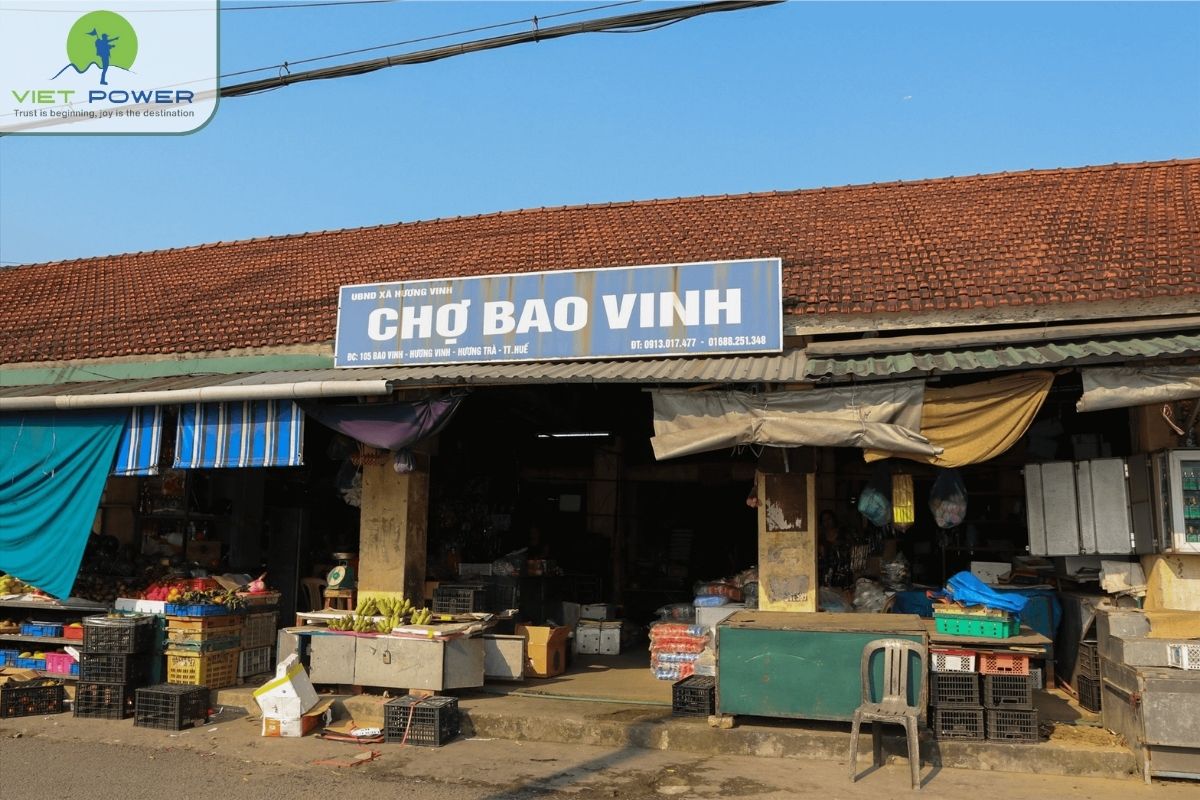
Why Was Bao Vinh Important in the Nguyen Dynasty? The Nguyen Dynasty marked Bao Vinh Ancient Town’s most significant period. During this era, commerce and governance were closely linked.
Explore more posts within this topic and uncover more of what Vietnam has to offer:
One of the most distinctive features of Bao Vinh Ancient Town is its remaining architecture. Though much has been lost, what survives still holds strong historical value.
Traditional Wooden and Ruong Houses: Bao Vinh’s historic houses were primarily wooden structures built in the traditional “ruong” style. These houses typically featured tiled roofs, wooden beams, and open courtyards. Many served both residential and commercial purposes. Shops operated on the ground floor, while families lived above or behind them.
Urban Layout Along the River: The town’s layout followed the riverbank rather than a rigid grid. Streets ran parallel to the water, allowing easy access for loading and unloading goods. This organic design reflects Bao Vinh’s function as a port rather than a planned administrative town.
Do you know The Town Was Built to Survive Floods? Because seasonal flooding was common, many traditional houses in Bao Vinh were built with raised floors and adaptable interiors. Furniture could be lifted quickly, and ground floors often used durable materials. This architectural adaptation reflects generations of experience living with the river rather than fighting it.
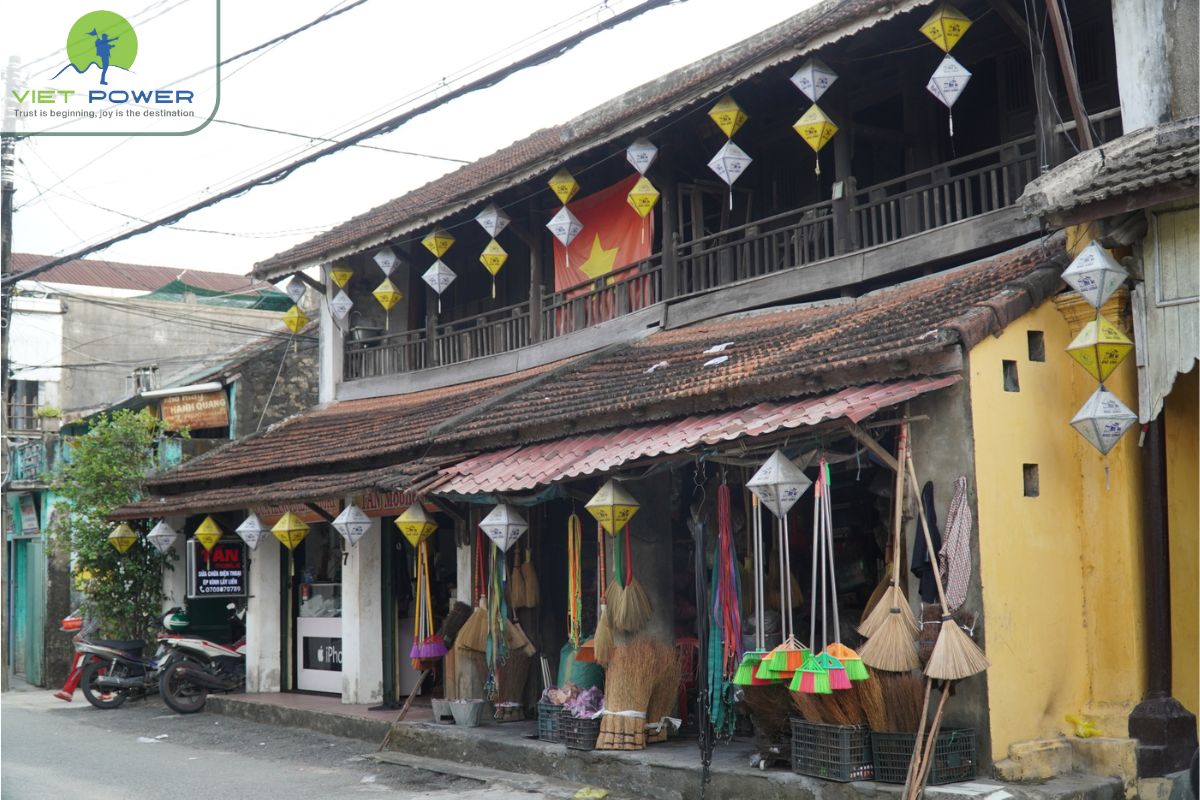
Preservation Challenges: Today, only a limited number of ancient houses remain. Time, weather, and lack of maintenance have taken their toll. Local authorities have initiated restoration projects, but preservation remains a challenge. Despite this, the surviving buildings offer valuable insight into historic river town architecture.
From breathtaking scenery to local experiences, Vietpower Travel can design a Vietnam tour that matches your travel style.
Although Bao Vinh Ancient Town is no longer a bustling port, it still offers meaningful experiences for curious travelers.
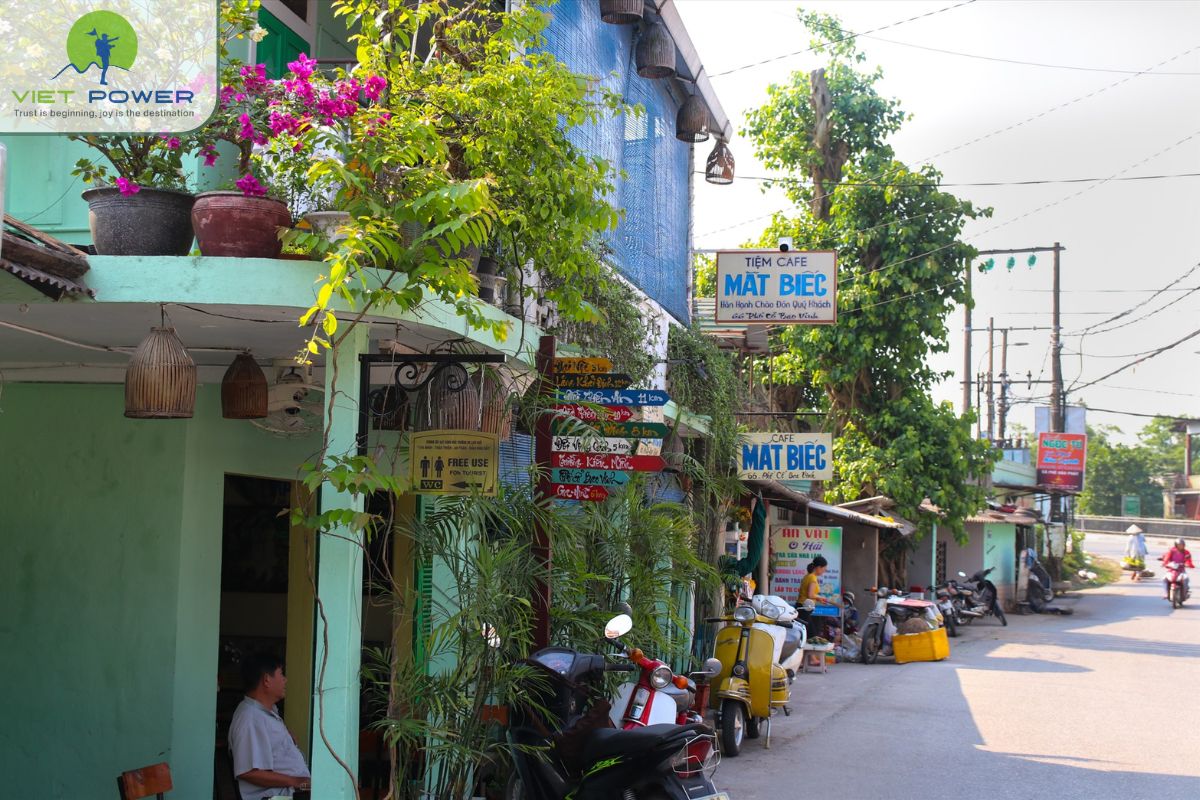
Quiet Streets and Riverside Views: Walking through Bao Vinh feels like stepping into a slower rhythm. Narrow streets, faded shopfronts, and river views create a peaceful atmosphere. Unlike crowded heritage sites, visitors can explore freely and observe daily local life without interruption.
Remaining Heritage Houses: Several restored and semi-restored houses are open to visitors. These buildings showcase traditional construction methods and interior layouts. They also serve as reminders of the town’s former prosperity.
Local Markets and Community Life: Small markets and neighborhood shops continue to operate. These spaces provide insight into how Bao Vinh’s residents live today. This blend of past and present is what makes Bao Vinh Ancient Town especially authentic.
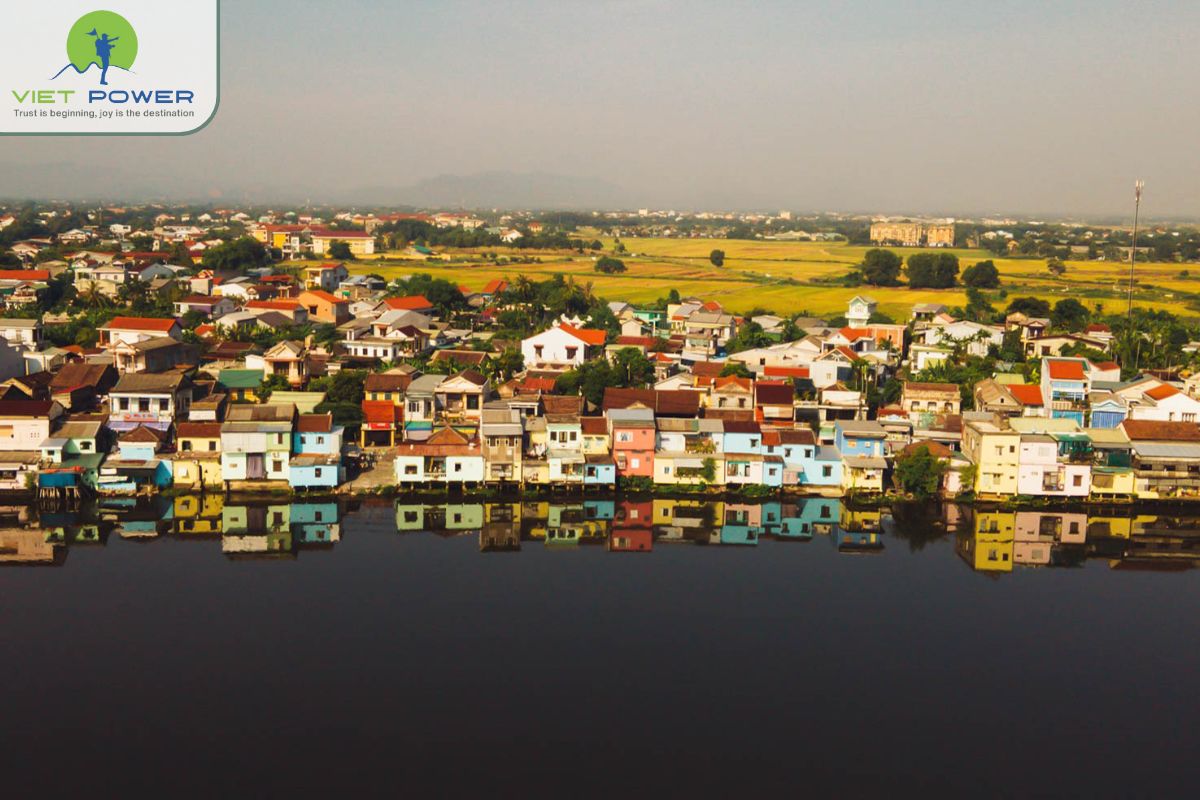
Bao Vinh Ancient Town and the Huong River Connection: The Perfume River is inseparable from Bao Vinh’s identity. Without it, the town would not have existed.
Is Bao Vinh Ancient Town suitable for independent travelers? Bao Vinh Ancient Town is suitable for independent travelers who prefer slow travel and cultural immersion. However, guided visits can provide deeper historical context and insight into the town’s past significance.
Discover more posts on the same topic to deepen your travel inspiration:
Comparisons between Bao Vinh Ancient Town and Hoi An are common. However, the two places developed for different reasons and offer very different travel experiences
Hoi An is a large ancient town with hundreds of well-preserved buildings. Local authorities have restored many houses, streets, and landmarks over time. As a result, visitors can clearly see the town’s historic appearance.
In contrast, Bao Vinh Ancient Town is much smaller. Only a limited number of traditional houses remain today. Many structures show signs of age, which reflects real life rather than planned restoration. Because of this difference, Hoi An feels more complete as a heritage site, while Bao Vinh feels more natural and untouched.
This difference affects the visitor experience significantly.
Hoi An has grown into one of Vietnam’s most popular tourist destinations. The town stays lively throughout the day and night. Shops, cafes, lantern streets, and guided tours fill the old town. Meanwhile, Bao Vinh Ancient Town remains calm and quiet. Local residents continue their daily routines without heavy tourist activity.
Travelers seeking crowds and entertainment may prefer Hoi An. Those seeking authenticity often appreciate Bao Vinh more.
Hoi An developed as a major coastal trading port with strong international connections. Merchant ships from many countries arrived there through sea routes. In contrast, Bao Vinh Ancient Town functioned as an inland river port. It supported the imperial capital of Hue by transporting goods along the Perfume River.
Although Bao Vinh did not connect directly to global sea trade, it played a key role in regional commerce. For this reason, both towns are historically important, but each served a very different purpose.
Is Bao Vinh Ancient Town worth visiting? Bao Vinh Ancient Town is worth visiting for travelers interested in history, riverside culture, and authentic local life. Its value lies in atmosphere and heritage rather than large-scale attractions.
Bao Vinh Ancient Town is a rare reminder of Hue’s commercial past. Through its river setting, wooden houses, and quiet streets, it tells the story of trade, community, and everyday life during the Nguyen Dynasty. Although less famous than other heritage sites, its value lies in authenticity and atmosphere. For travelers who want to go beyond standard itineraries, Bao Vinh offers depth and reflection.
Contact Vietpower Travel today to discover Bao Vinh Ancient Town as part of your Hue journey and experience a side of Vietnam that few travelers truly see.
Please kindly send us your ideas about the tours: destinations, attractions, your group, hotel class... we will get back to you with details & best offers quickly. Surely, you will feel satisfactory!
 |
 |
 |
 |
 |
 |

.jpg) Customize Your Trip
Customize Your Trip
 Vietnam Tours
 Thailand Tours
 Laos Tours
 Indonesia Tours
 Cambodia Tours
 Myanmar Tours