Dong Van Old Quarter is one of the most atmospheric heritage sites in northern Vietnam, where ancient stone houses, ethnic cultures, and mountain life blend seamlessly. Located deep in Ha Giang Province, this small town preserves the soul of the Dong Van Karst Plateau while offering travelers an authentic glimpse into highland history.
For travelers seeking culture, architecture, and breathtaking scenery, Dong Van Old Quarter is a must-see stop. Following Vietpower Travel and exploring this remote gem becomes easier, safer, and far more meaningful through well-designed itineraries and local expertise.
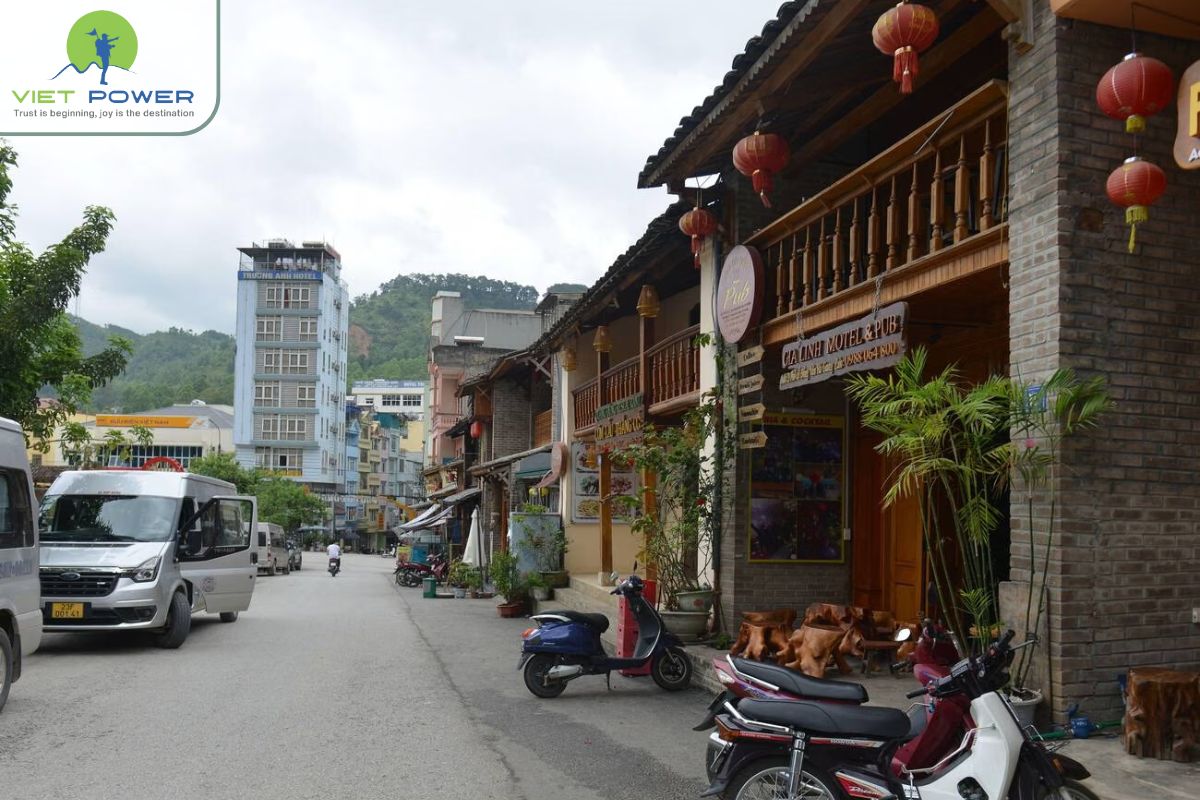
Unlike modernized destinations, Dong Van has preserved its original structure. Stone houses, narrow streets, and traditional shops remain part of everyday life. As a result, visitors experience a genuine highland town rather than a reconstructed attraction.
Dong Van Old Quarter is located in Dong Van District, Ha Giang Province, near Vietnam’s northern border. Although modest in size, the town holds exceptional cultural and historical significance.
Dong Van Old Quarter cannot be separated from its natural surroundings. The town lies within the Dong Van Karst Plateau UNESCO Global Geopark.
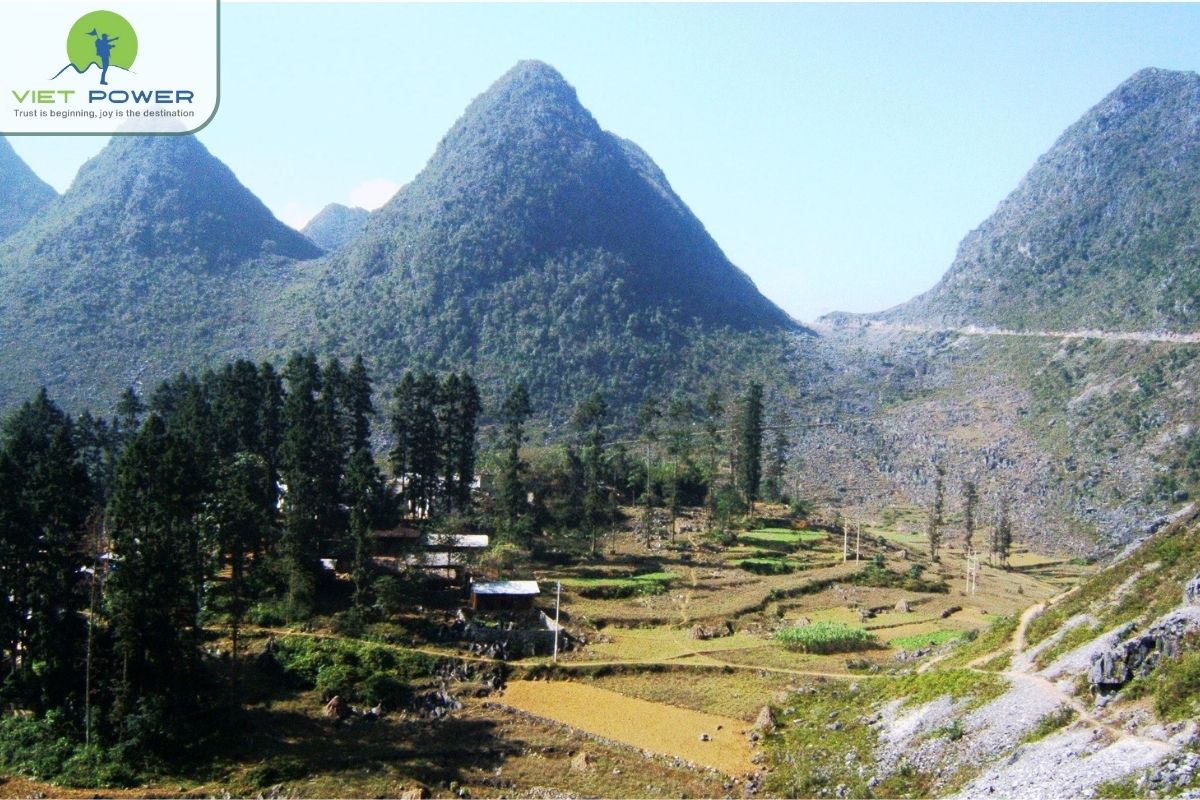
Geological Landscape: The plateau features ancient limestone formations, deep valleys, and sharp peaks. These features shape both the scenery and local lifestyles. Stone construction emerged naturally from the environment.
Cultural Landscape: The geopark is also a cultural space. Ethnic communities have adapted their lives to difficult terrain for generations. Visiting Dong Van Old Quarter offers insight into this long relationship between people and nature.
Dong Van Once Meant “Marketplace in the Clouds”. The name “Dong Van” comes from an old local interpretation meaning “a flat trading place among rocky mountains.” For centuries, this area functioned as a natural marketplace despite being surrounded by steep limestone peaks.
The development of Dong Van Old Quarter dates mainly to the late nineteenth and early twentieth centuries. During this period, the town emerged as a permanent settlement and trading hub. Merchants from surrounding regions gathered here regularly. Over time, temporary stalls evolved into permanent stone houses and shops.
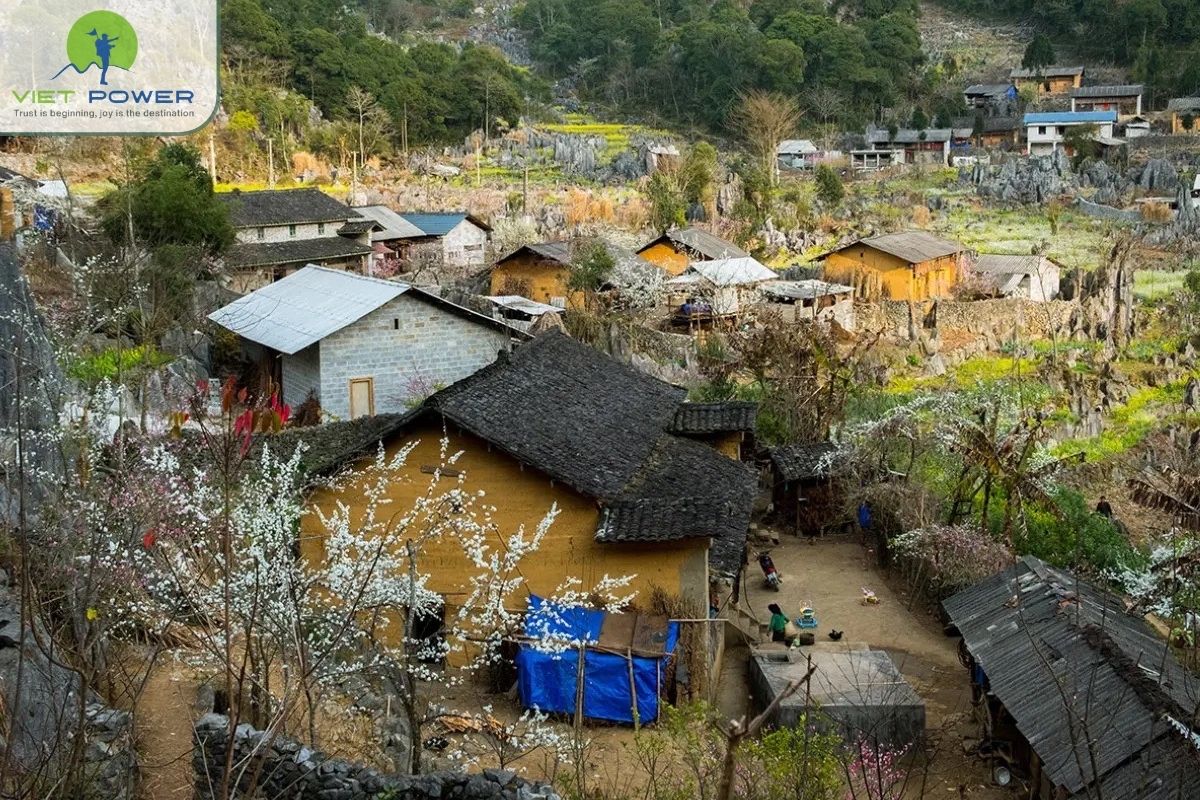
The Trading Town Era: Dong Van’s location made it ideal for regional trade. Ethnic communities brought agricultural products, textiles, and livestock to exchange. Because of this, the Old Quarter became economically important despite its remote setting.
French Colonial Influence: During the French colonial period, Dong Van gained administrative significance. The French strengthened its role as a district center and trading post. After a major fire in the early 1920s, many buildings were reconstructed using stone. This reconstruction shaped the appearance of the Old Quarter today. In 2006, Dong Van Old Quarter was officially recognized as a national historical and cultural site, ensuring its preservation.
As a result, the Old Quarter remains largely unchanged. Visitors can still see houses over 100 years old.
You can find more posts related to this topic in our Vietnam tourist attractions category. Explore detailed travel guides, destination highlights, and inspiration for your next journey through Vietnam.
Dong Van Old Quarter is not only a place to visit. It is a living heritage site where traditions continue naturally.
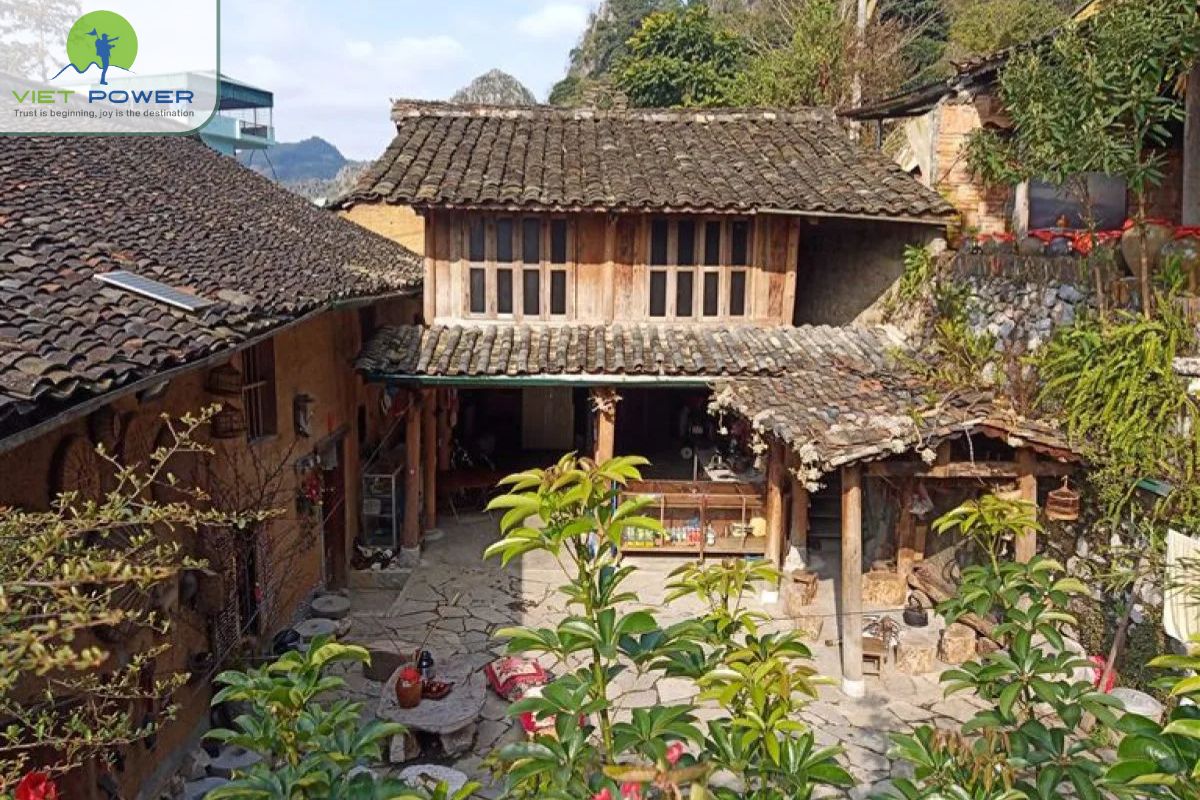
Architecture is the defining feature of Dong Van Old Quarter. The stone houses create a strong visual impression and tell stories of adaptation and endurance.
Each building reflects the relationship between humans and the harsh mountain environment.
Building Materials and Design: Local limestone is the primary construction material. Most houses feature wooden frames, tiled roofs, and inner courtyards. Ground floors traditionally serve as shops, while families live upstairs.
Why are the houses in Dong Van Old Quarter made of stone? Stone was abundant in the Dong Van Karst Plateau and provided insulation against extreme temperatures. Thick stone walls help keep houses warm in winter and cool in summer, making them ideal for the highland climate.
Cultural and Regional Influences: The architectural style combines local highland traditions with southern Chinese influences. Skilled craftsmen from China contributed to rebuilding efforts during the colonial period. Despite these influences, the houses remain distinctly local. Their simplicity reflects both practicality and cultural values.
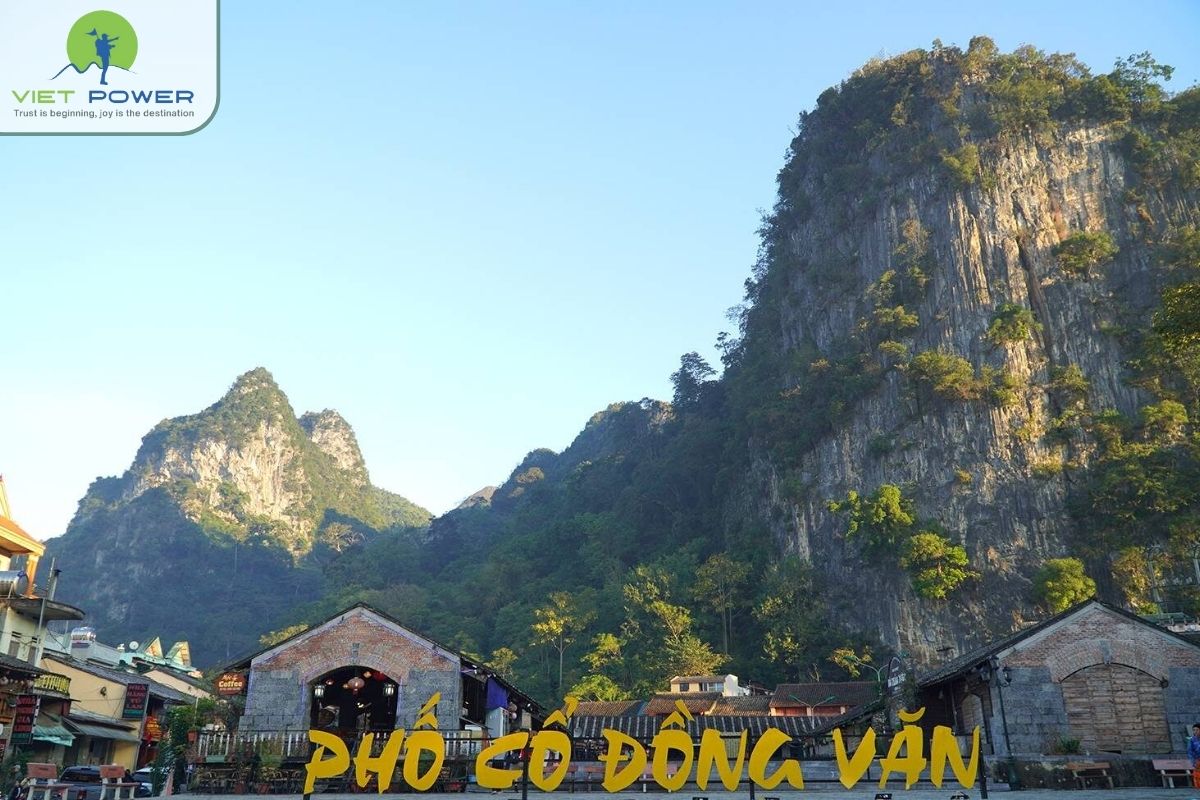
Dong Van Old Quarter has always been home to diverse ethnic groups. This diversity shapes the town’s identity and daily rhythm. Different communities coexist while maintaining their own customs and traditions.
Ethnic Groups in Dong Van: Major ethnic groups include the Hmong, Tay, Dao, Lo Lo, Nung, and Hoa communities. Each group contributes unique languages, clothing, and cultural practices. Traditional attire is still worn, especially on market days and festivals.
Life in the Old Quarter Today: Daily life in Dong Van Old Quarter remains slow and authentic. Locals open shops early, socialize throughout the day, and close before nightfall. Tourism exists but does not dominate. As a result, visitors observe real life rather than staged performances.
Explore more posts within this topic and uncover more of what Vietnam has to offer:
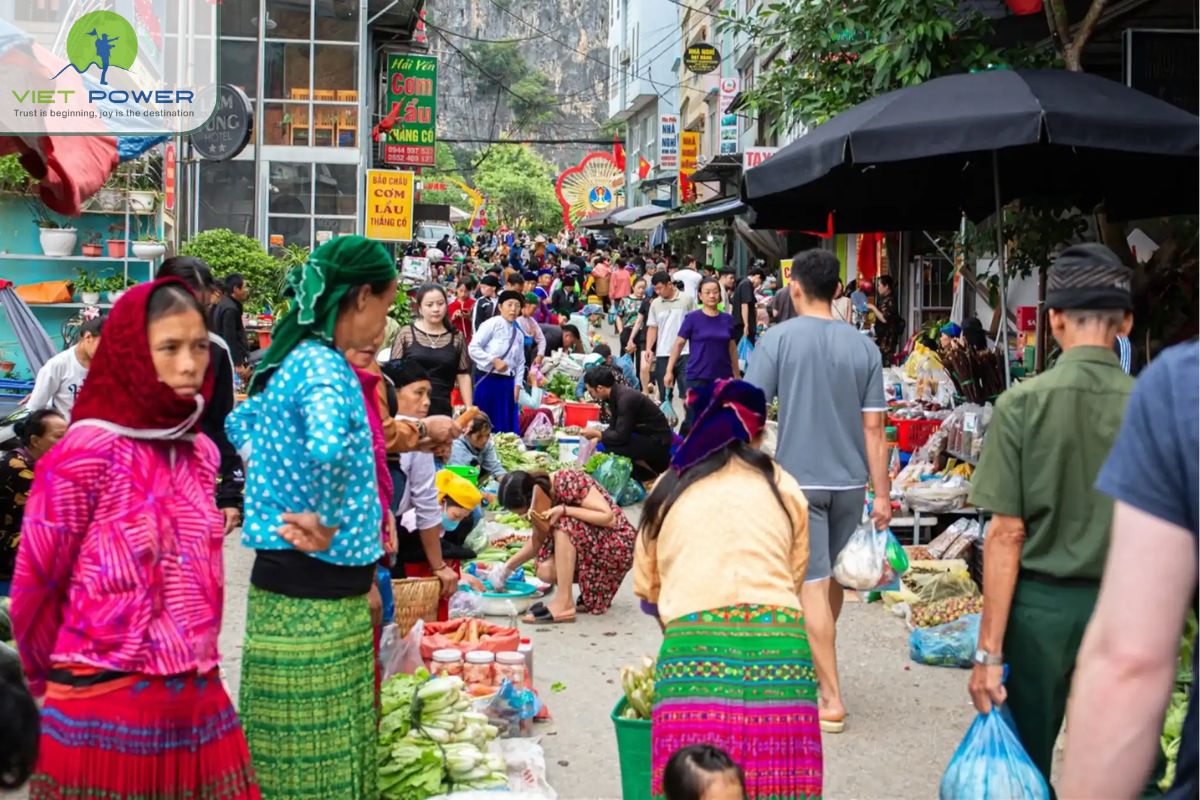
The Dong Van Sunday Market is one of the most vibrant cultural events in Ha Giang Province. It reflects the social and economic life of the region.
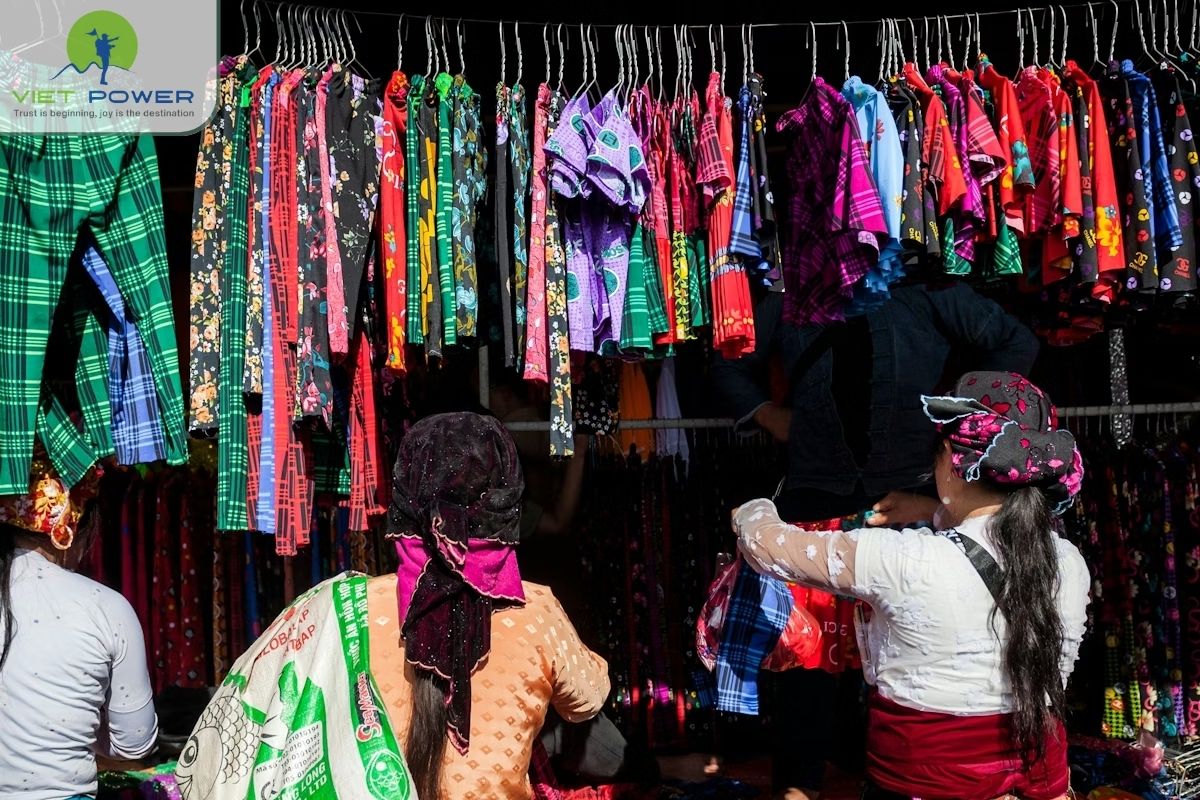
When is the Dong Van Old Quarter market held? The main Dong Van market is held every Sunday morning. It starts before sunrise and is busiest between early morning and mid-morning, when ethnic communities arrive from surrounding villages. During market hours, the streets fill with color, sound, and movement. Traditional clothing creates a lively visual scene.
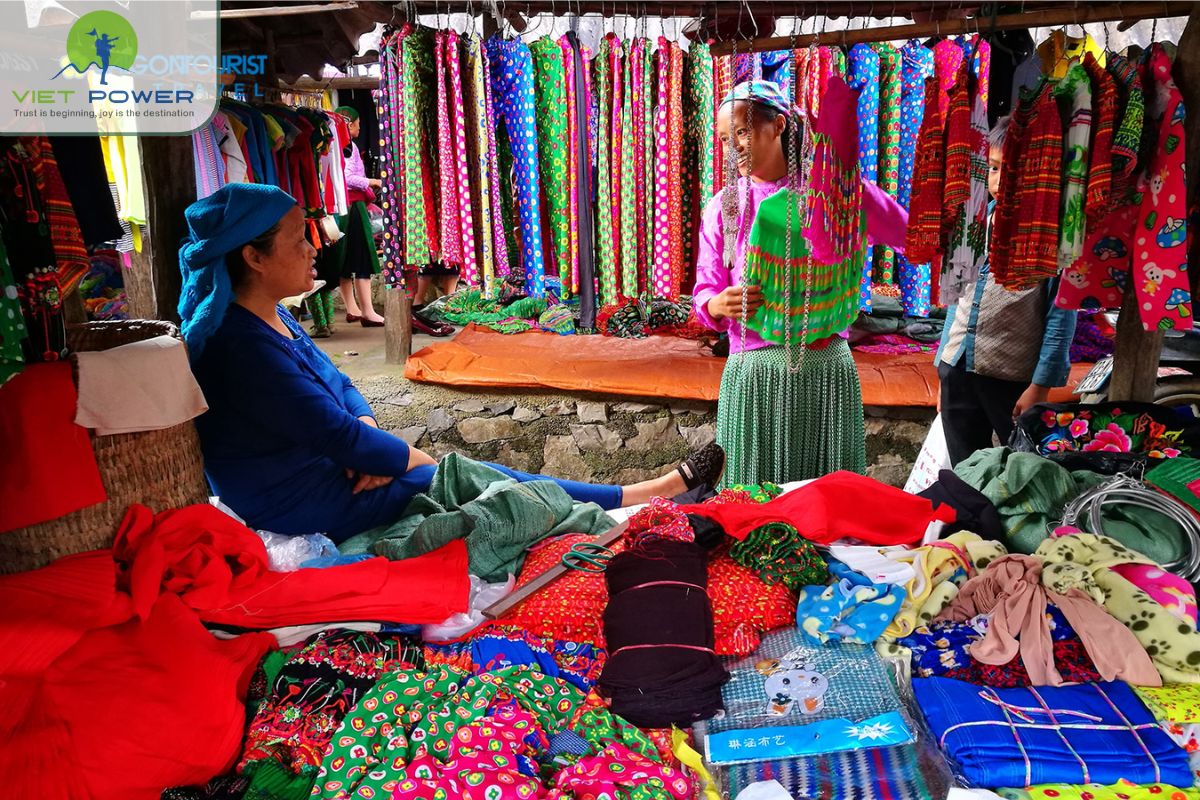
Goods and Social Interaction: The market sells agricultural produce, textiles, livestock, and local foods. However, buying and selling is only part of its purpose. People meet relatives, exchange news, and strengthen community bonds.
What can visitors buy at Dong Van Sunday Market? Visitors can buy local produce, handwoven textiles, traditional clothing, livestock, and regional food. The market also offers an opportunity to observe local culture and social interaction.
The Market Was Also a Place to Find Love: For many ethnic groups, especially the Hmong, the Sunday market was not only for trade. Young people came to meet potential partners, sing traditional songs, and socialize.
Some couples still say their grandparents first met at Dong Van market.
French colonial influence in Dong Van Old Quarter is subtle but important. It shaped the town’s structure without replacing local traditions. The result is a blend of external planning and indigenous culture.
Urban Layout and Administration: The French introduced more organized street layouts and administrative buildings. They reinforced Dong Van’s role as a regional center.
However, they relied on local builders and materials, preserving traditional construction methods.
Lasting Cultural Impact: Rather than transforming Dong Van into a colonial town, the French period strengthened its function as a trading hub. This legacy continues today.
Experience Vietnam your way with a custom-crafted itinerary created by the experts at Vietpower Travel.
We suggest these tips to help travelers make the most of their visit in Dong Van Old Quarter
Dong Van Old Quarter is highly recommended for travelers seeking meaningful cultural experiences. It rewards curiosity and patience. Rather than offering entertainment, it offers understanding.
Who Should Visit Dong Van Old Quarter ? This destination is ideal for:
It may not suit those seeking luxury or nightlife. However, those who value authenticity find it unforgettable. Most visitors spend several hours exploring the Old Quarter. Staying overnight allows a deeper connection with the town’s rhythm.
Choosing the right season enhances the experience significantly.
Recommended Seasons: Autumn, from September to November, offers cool weather and beautiful landscapes. Spring, from February to April, brings flowers and mild temperatures. These periods are ideal for walking and photography.
Other Seasons: Winter can be cold and misty, creating a moody atmosphere. Summer brings rain but fewer visitors.
Each season reveals a different side of Dong Van Old Quarter.
Discover more posts on the same topic to deepen your travel inspiration:
Proper preparation ensures comfort in the highlands.
Clothing and Essentials
Practical Items
Simple preparation makes the journey smoother and safer.
Dong Van Old Quarter stands as a living testament to Ha Giang’s history, culture, and resilience. Its stone houses, ethnic communities, and mountain setting
Contact Vietpower Travel today and begin your journey into the timeless heart of Ha Giang.
Please kindly send us your ideas about the tours: destinations, attractions, your group, hotel class... we will get back to you with details & best offers quickly. Surely, you will feel satisfactory!
 |
 |
 |
 |
 |
 |

.jpg) Customize Your Trip
Customize Your Trip
 Vietnam Tours
 Thailand Tours
 Laos Tours
 Indonesia Tours
 Cambodia Tours
 Myanmar Tours