Fansipan trekking is one of the most exciting mountain adventures in Vietnam. Rising 3,143 meters, Fansipan is famous as the Roof of Indochina. The climb attracts travelers who want a true Sapa trekking challenge. However, the journey requires preparation, fitness, and local support. Many travelers visiting Sapa choose this journey to experience Vietnam’s most iconic mountain landscape.
This complete guide explains everything about Fansipan trekking. Follow Vietpower Travel and learn about routes, difficulty levels, best seasons, and scenic highlights. The goal is to help you plan a successful climb while understanding what makes this mountain special.
Fansipan trekking is a high-altitude hiking experience located near Sapa in northern Vietnam. The mountain lies within Hoàng Liên National Park. It offers diverse landscapes, unique biodiversity, and a strong sense of adventure.
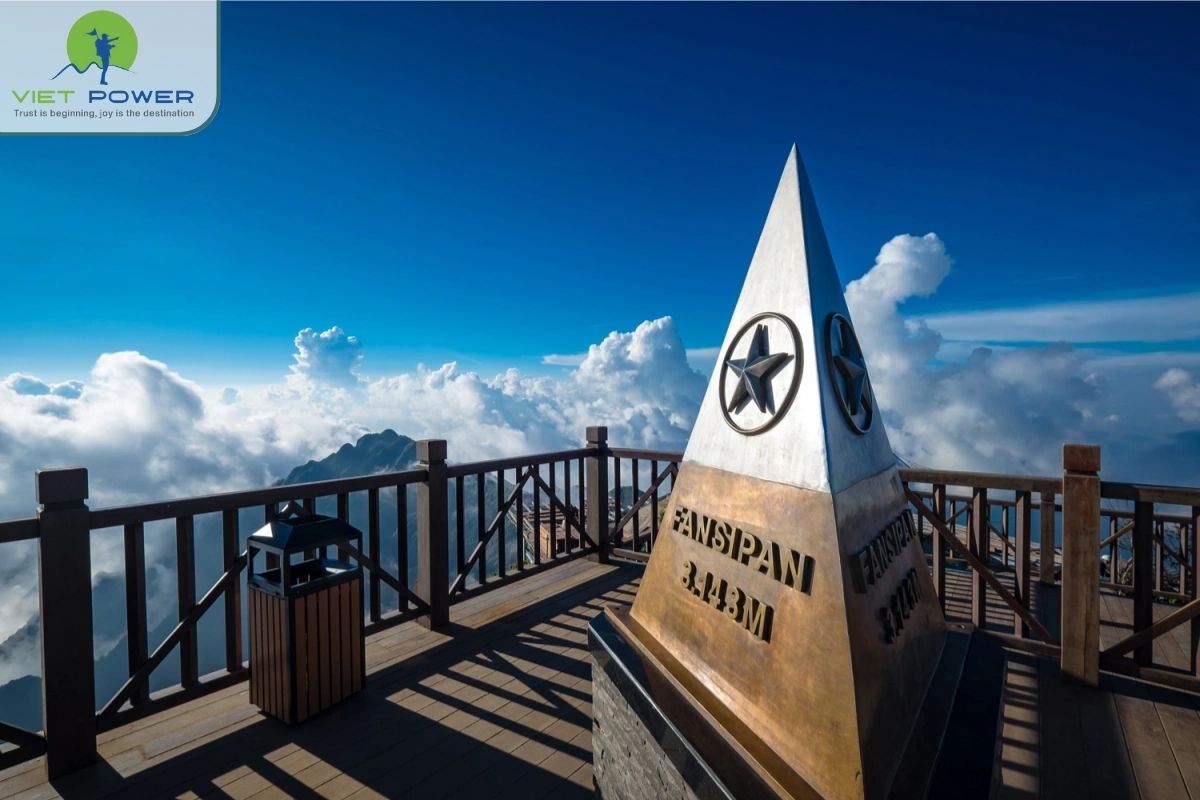
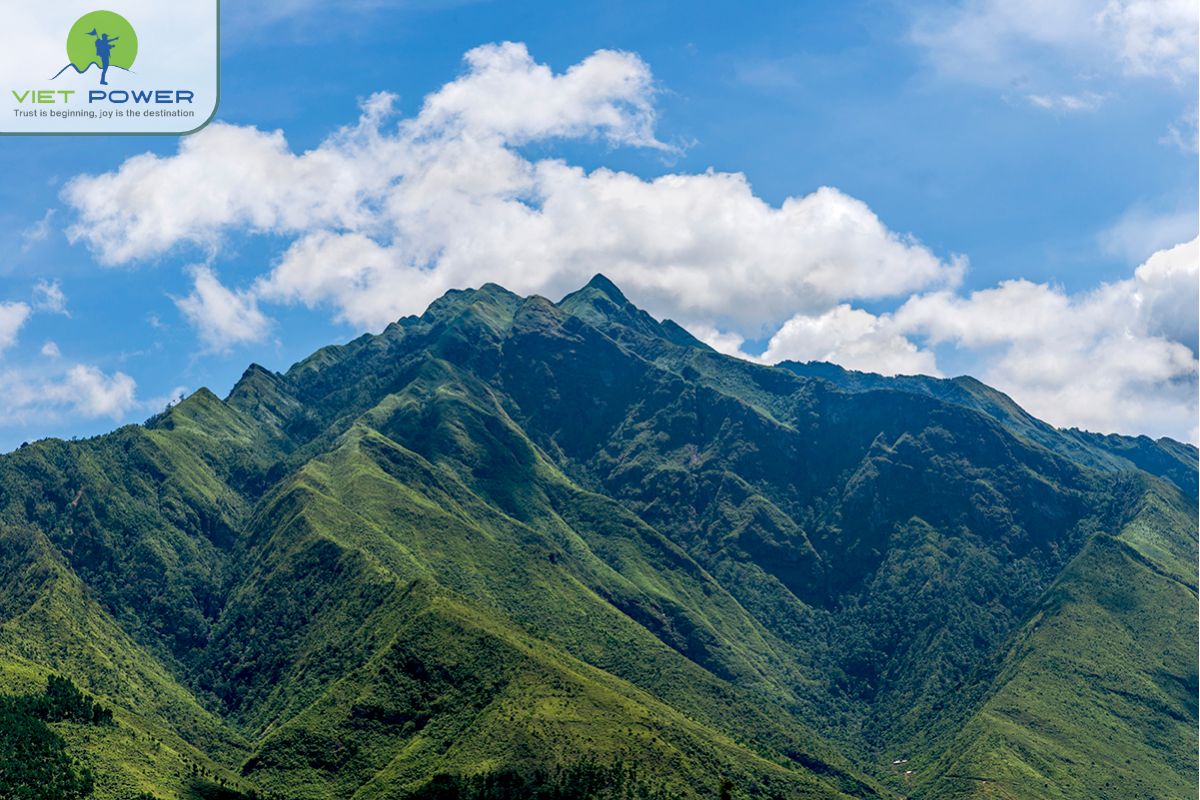
Fansipan stands at 3,143 meters above sea level. Because of its height, it is the highest mountain in Vietnam and Indochina. Trekkers often see changing vegetation zones during the climb. The trail begins in a dense tropical forest. Later, it passes bamboo groves and reaches alpine-like terrain near the summit.
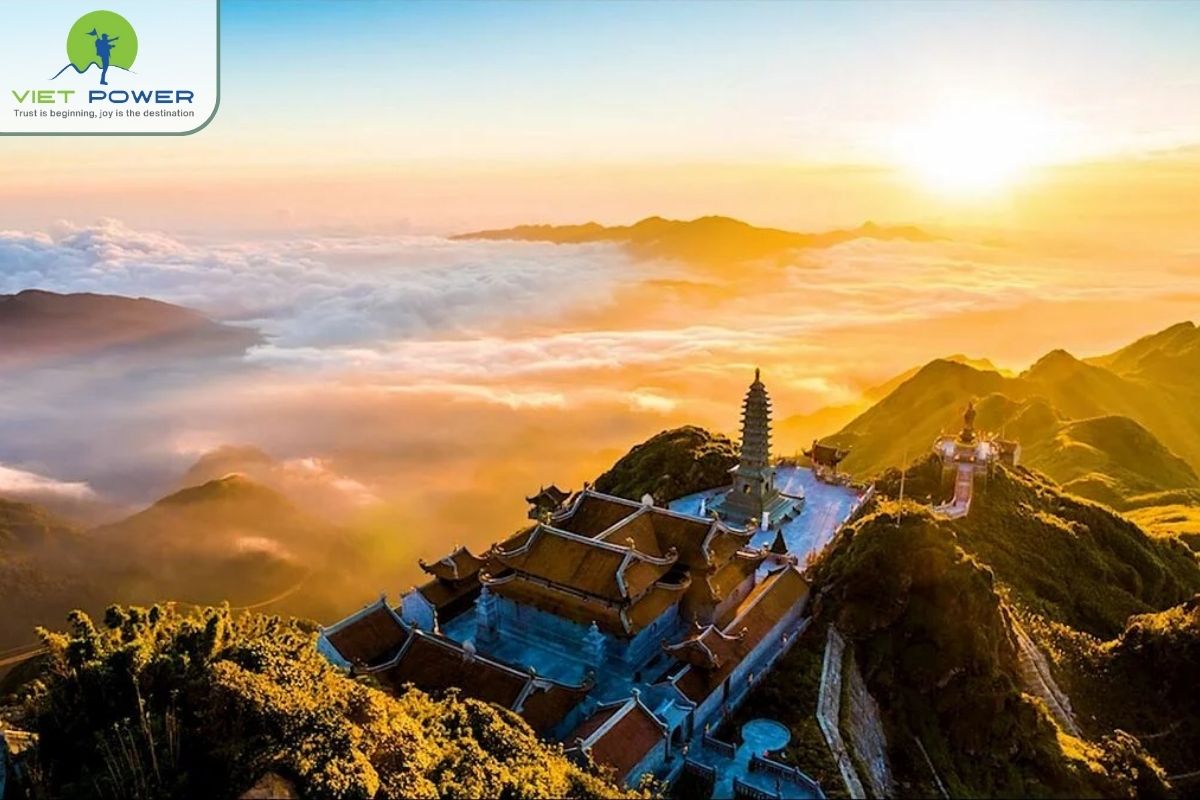
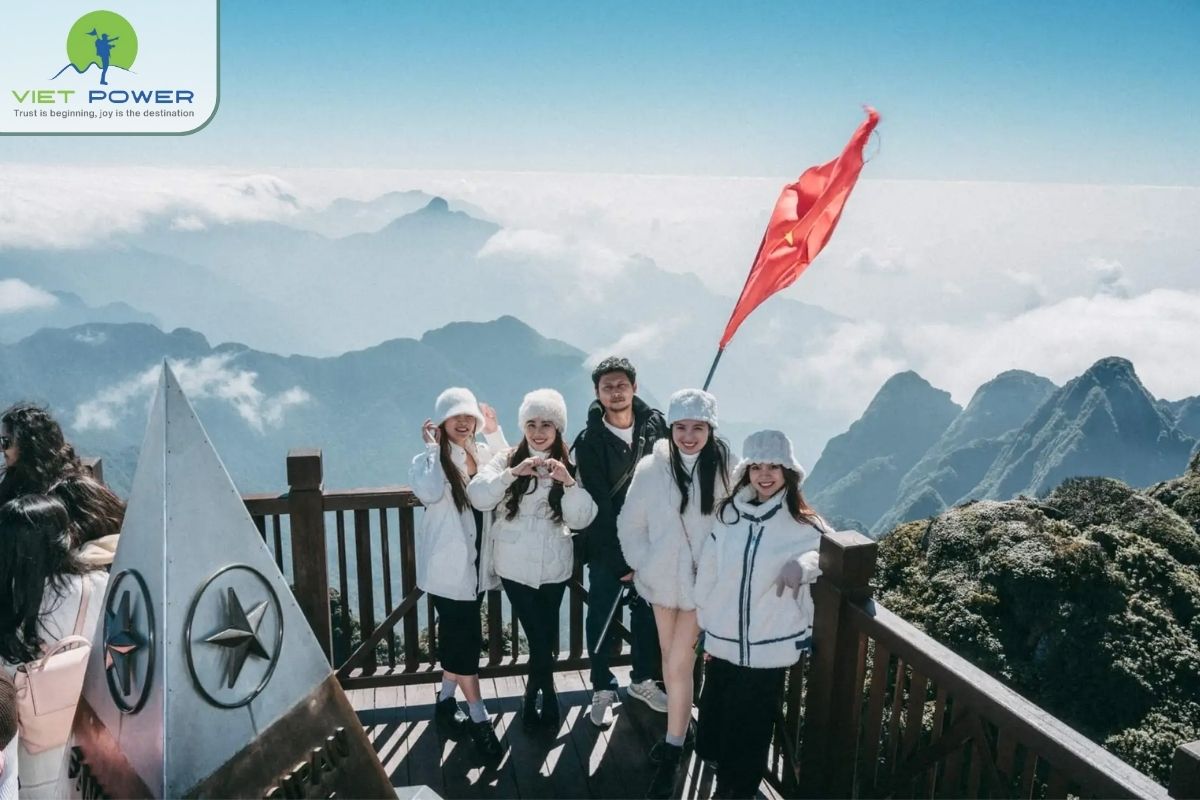
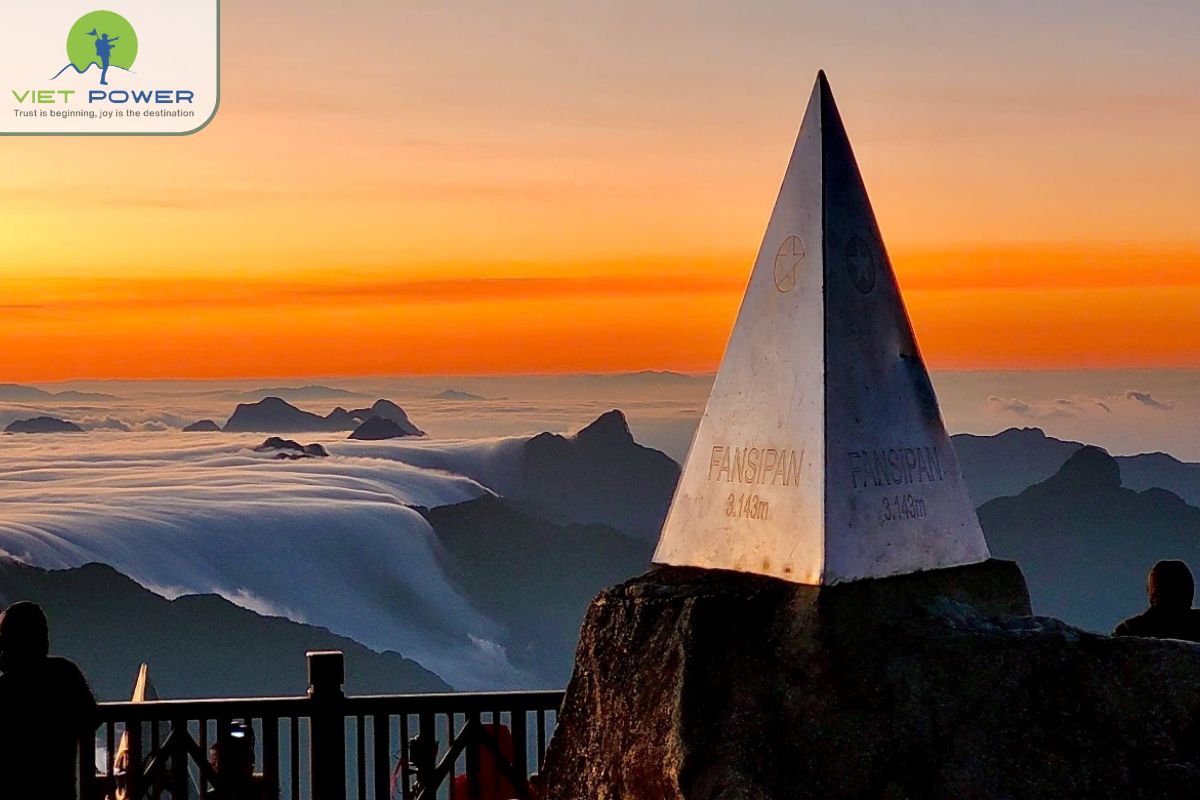
The summit features a famous metal pyramid monument. Reaching this point is a proud achievement for many hikers. Although a cable car reaches the top, trekking remains the most rewarding option. It allows travelers to fully experience the mountain environment.
Fansipan trekking also offers stunning panoramic views. On clear days, hikers can see endless ridges and cloud seas. These dramatic landscapes create unforgettable travel memories.
Sapa has long been a center for trekking in Vietnam. The region features cool weather, terraced rice fields, and ethnic minority villages. Many visitors start with short village walks. However, Fansipan trekking offers the most challenging adventure in the area.
Trekkers often begin their journey near Sapa town. From there, trails lead into protected forests and remote landscapes. Along the way, hikers encounter local culture and untouched nature. Therefore, the trek combines physical challenge with cultural exploration.
Travel companies like Vietpower Travel help visitors navigate these remote areas responsibly. Professional guides ensure trekkers respect local customs and environmental rules. As a result, travelers enjoy a more meaningful experience.
Continue exploring similar posts to learn more about Vietnam’s natural wonders. Our Vietnam nature category is filled with ideas and inspiration for your next adventure in the great outdoors.
Fansipan trekking is known for its demanding terrain and long hiking hours. Understanding the level of difficulty helps travelers prepare properly.
Fansipan trekking ranges from moderate to very challenging. The difficulty depends on the route, weather, and fitness level. Many trails include steep climbs, rocky paths, and slippery forest sections. High humidity can also increase physical strain.
The Tram Ton route is considered the most accessible option. It suits travelers with good fitness and basic hiking experience. The Sin Chai route is steeper and more demanding. Meanwhile, the Cat Cat route requires strong endurance and mountain experience.
Trekkers usually walk six to eight hours each day. Frequent breaks help manage energy levels. Good pacing is essential because altitude and terrain can cause fatigue. Despite the challenge, many first-time hikers successfully reach the summit with proper preparation.
Is Fansipan suitable for beginner trekkers? Yes, beginners with good fitness can attempt the trek on popular routes such as Tram Ton. However, preparation and guided support are strongly recommended due to steep terrain and long hiking hours.
Planning a trekking trip in Vietnam? Discover scenic landscapes, famous hiking routes, best seasons, safety tips and adventure travel ideas.
From breathtaking scenery to local experiences, Vietpower Travel can design a Vietnam tour that matches your travel style.
The duration of Fansipan trekking varies based on the chosen itinerary. The most popular program lasts 2 days and 1 night. Trekkers hike to a mountain campsite on the first day. They then reach the summit early on the second day.
One-day climbs are possible for very fit hikers. These programs often include a cable car descent to reduce time. Longer three- or four-day treks allow more exploration and gradual elevation gain. These options suit travelers who prefer a slower pace.
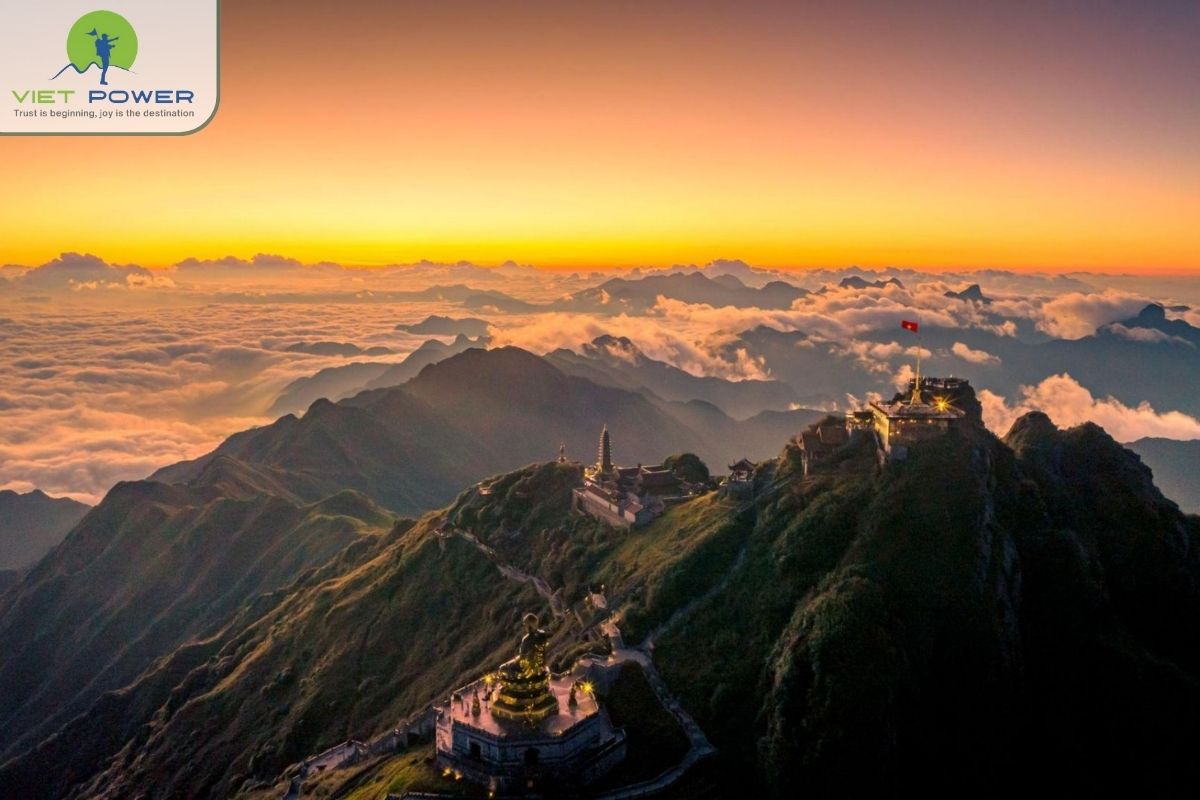
Fact: Before the Cable Car, Only Trekkers Could Reach the Summit. Before 2016, the only way to reach the top of Fansipan was by trekking for several days through dense forest. Early climbers relied on local H’Mong and Dao guides who knew hidden trails and mountain camps. Even today, many trekkers choose hiking instead of the cable car to experience the mountain authentically.
Tour operators such as Vietpower Travel offer flexible schedules. Their programs include camping gear, meals, and experienced guides. Therefore, trekkers can focus on the adventure instead of logistical concerns.
Fansipan trekking offers remarkable natural diversity. The lower sections feature dense forests filled with moss and tall trees. Streams and small waterfalls add refreshing scenery. As hikers climb higher, bamboo groves become more common.
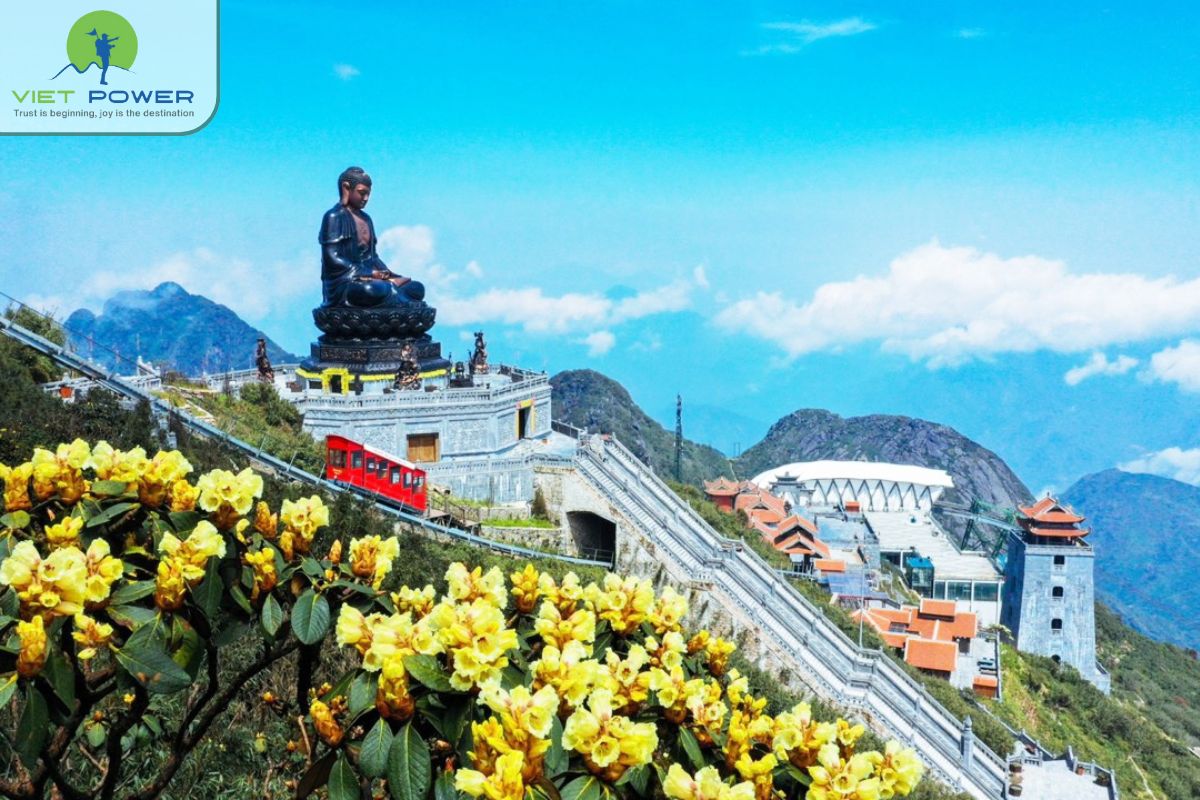
During spring, azalea flowers bloom across the mountainside. These colorful flowers attract photographers and nature lovers. Higher elevations reveal rocky ridges and alpine-style terrain. Above the clouds, trekkers experience dramatic panoramic views.
Did you know The Azalea Flower Season Turns Fansipan Pink? Every spring, wild azalea flowers bloom across the Hoàng Liên Sơn range. Some trails become covered with bright pink and red blossoms. This short blooming period attracts photographers and nature lovers who plan their Fansipan trekking trips specifically for this seasonal phenomenon.
Some routes also pass near ethnic minority communities. Trekkers may observe traditional farming practices and local lifestyles from a distance. Wildlife sightings include mountain birds and rare plant species. Therefore, every stage of the journey provides something new to discover.
You can find more posts related to this topic in the category below:
Safety is one of the most important aspects of Fansipan trekking. Mountain weather can change quickly, and trails can be confusing.
Preparation greatly improves the Fansipan trekking experience. Travelers should train through regular walking, hiking, or cardio exercise. Building leg strength and stamina helps reduce fatigue.
Proper equipment is equally important. Strong hiking shoes with good grip are essential. Layered clothing allows trekkers to adjust to changing temperatures. Rain jackets protect against sudden mountain showers.
Trekkers should carry water, energy snacks, and personal medication. A small backpack is ideal for daily necessities. Vietpower Travel provides detailed packing lists and safety briefings before departure. These services help travelers prepare with confidence.
What fitness level is required for Fansipan trekking? Trekkers should have moderate to high fitness. Regular walking, stair climbing, and cardio training before the trip help reduce fatigue during steep ascents.
Most trekking routes inside Hoàng Liên National Park require official permits. Licensed guides help arrange these permits and manage entry procedures. In addition, guides understand trail conditions and potential hazards.
Fact: Many Fansipan trekking teams include local ethnic minority porters. They help carry supplies, set up camps, and cook meals. For generations, mountain communities have guided travelers through Hoàng Liên forests. Hiring local teams supports sustainable tourism and helps preserve traditional knowledge of the mountains.
Local guides assist with navigation, camp organization, and emergency response. Porters may carry heavy supplies such as tents and food. This support allows trekkers to conserve energy for the climb. Therefore, guided treks are strongly recommended for both beginners and experienced hikers.
Guides also provide cultural and environmental insights. They explain local plant species and mountain traditions. This knowledge adds depth to the journey beyond physical challenge.
The best seasons for Fansipan trekking are March to May and October to December. During these months, temperatures remain comfortable and skies are often clear. Visibility improves, allowing trekkers to enjoy panoramic mountain views.
The rainy season from June to August brings slippery trails and heavy rainfall. These conditions increase difficulty and reduce safety. Winter months from December to February can be very cold and foggy. Frost and strong winds may appear at high elevations.
Weather Can Change in Minutes — A Classic Fansipan Experience: Trekkers often say they experience “four seasons in one day” on Fansipan. Morning sunshine can quickly turn into mist or rain. Some hikers reach the summit under clear skies and then descend through thick clouds. This unpredictable weather is part of the mountain’s challenge and beauty.
Travelers should check forecasts before departure and pack accordingly. Choosing the right season also improves photography opportunities and overall enjoyment.
Explore more posts within this topic and uncover more of what makes Vietnam’s nature so breathtaking:
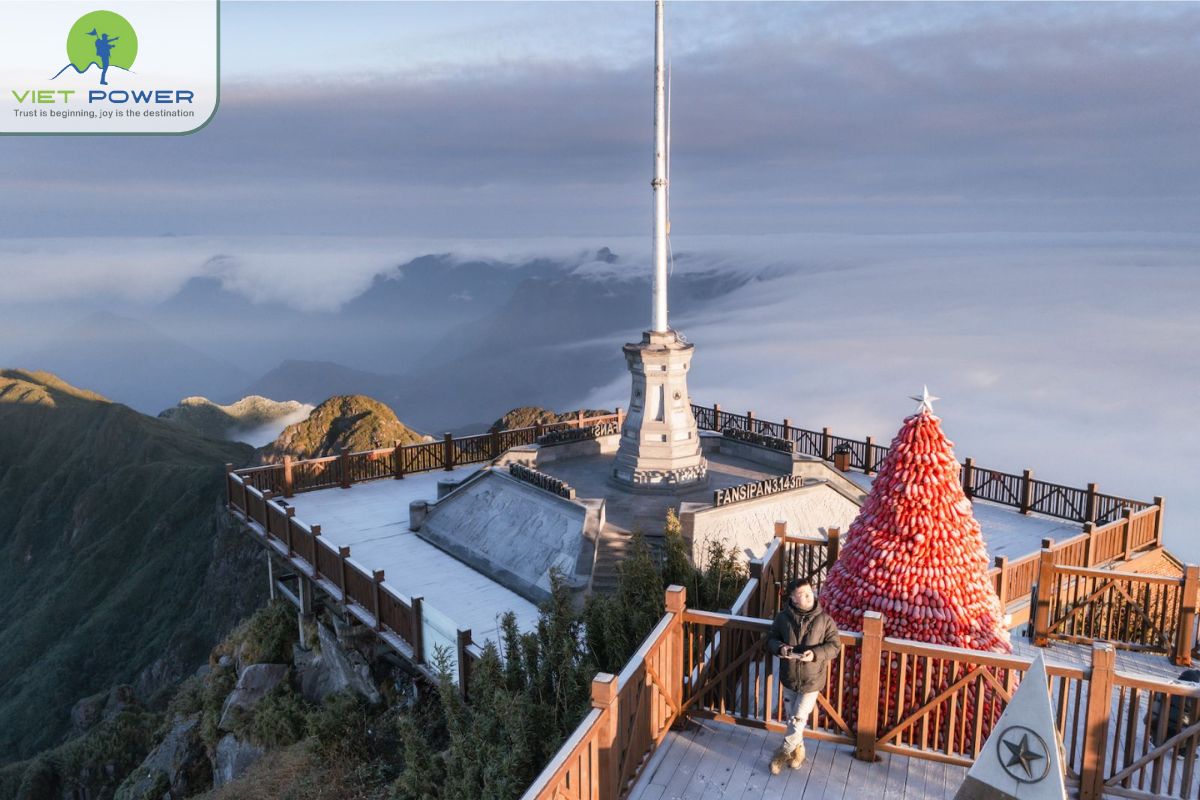
Fansipan trekking offers one of the most unforgettable mountain adventures in Vietnam. The journey combines physical challenge, diverse landscapes, and cultural encounters. From dense forests to alpine ridges, every step reveals a new side of the Hoàng Liên Sơn mountains.
If you want to conquer the highest peak in Vietnam, now is the perfect time to plan. Choose a guided Fansipan trekking tour with Vietpower Travel. Experience Sapa’s natural beauty, challenge yourself physically, and create memories that last a lifetime
Please kindly send us your ideas about the tours: destinations, attractions, your group, hotel class... we will get back to you with details & best offers quickly. Surely, you will feel satisfactory!
 |
 |
 |
 |
 |
 |

.jpg) Customize Your Trip
Customize Your Trip
 Vietnam Tours
 Thailand Tours
 Laos Tours
 Indonesia Tours
 Cambodia Tours
 Myanmar Tours