Hoi An Ancient Town is one of Vietnam’s most treasured cultural destinations, famous for its preserved architecture, lantern-lit streets, and deep trading history. As a living heritage site, Hoi An Ancient Town allows travelers to step into the past while enjoying a relaxed, welcoming atmosphere.
For visitors who want to explore beyond surface-level sightseeing, Vietpower Travel offers carefully crafted tours that reveal the stories, culture, and daily life behind Hoi An’s historic beauty—at a comfortable pace and with local insight.
Hoi An Ancient Town is located in Quang Nam Province, approximately 30 kilometers south of Da Nang. It sits along the Thu Bon River, which once connected the town to major international trade routes.
Hoi An’s story is shaped by centuries of maritime trade and cultural exchange.
Early Origins and Development: Early influences came from the Sa Huynh and Champa cultures. However, Hoi An truly flourished from the 15th century onward. During this period, it became one of Southeast Asia’s most active trading ports. Merchants arrived from China, Japan, India, and Europe. They exchanged silk, ceramics, spices, and agricultural products. In return, Hoi An absorbed foreign architectural styles and customs.
Decline That Preserved the Town: By the late 19th century, river silting restricted access for large ships. Trade shifted gradually to Da Nang. As economic importance declined, large-scale modernization never occurred. Consequently, Hoi An Ancient Town remained largely untouched.
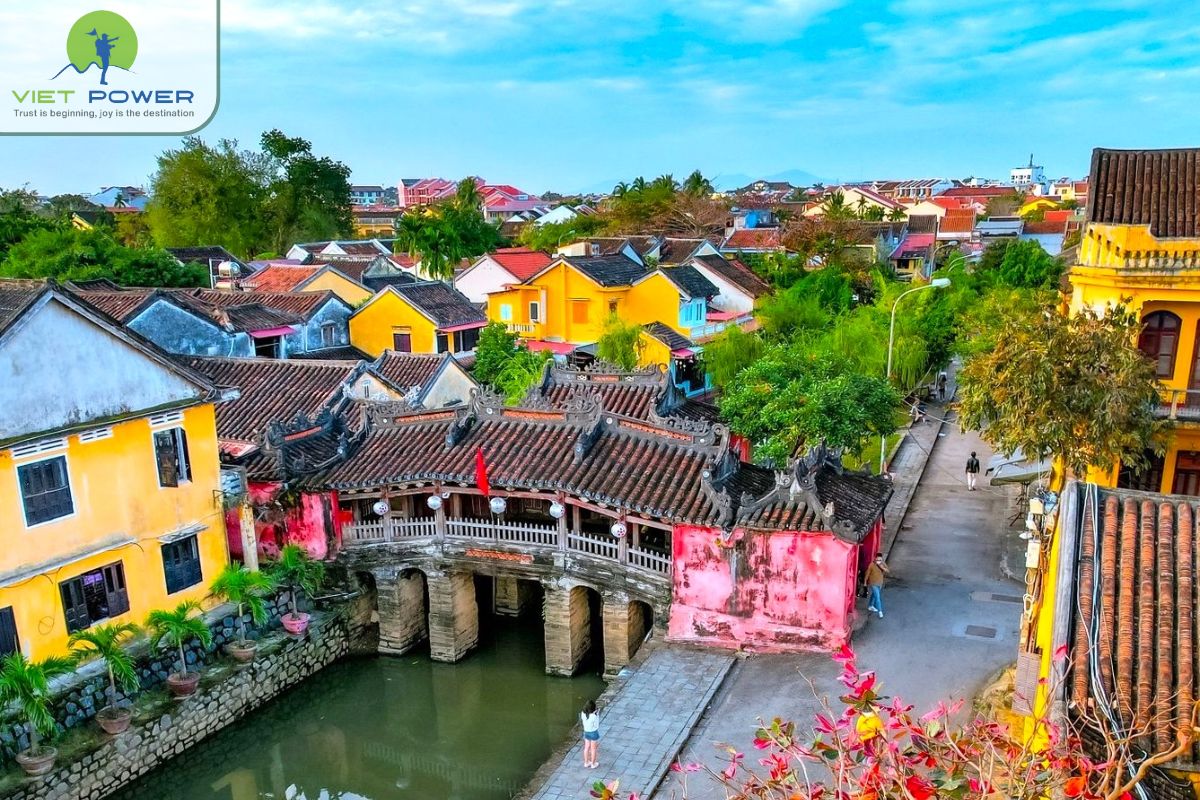
UNESCO World Heritage Status: In 1999, Hoi An Ancient Town was officially recognized as a UNESCO World Heritage Site.
You can find more posts related to this topic in our Vietnam tourist attractions category. Explore detailed travel guides, destination highlights, and inspiration for your next journey through Vietnam.
Hoi An is not a museum. Local residents continue to live, trade, and celebrate traditions within centuries-old buildings.
This blend of heritage and everyday life gives the town an authenticity that few destinations can match.
What makes Hoi An unique is its remarkable level of preservation. Unlike many historic towns, it has retained its original urban layout and architectural character.
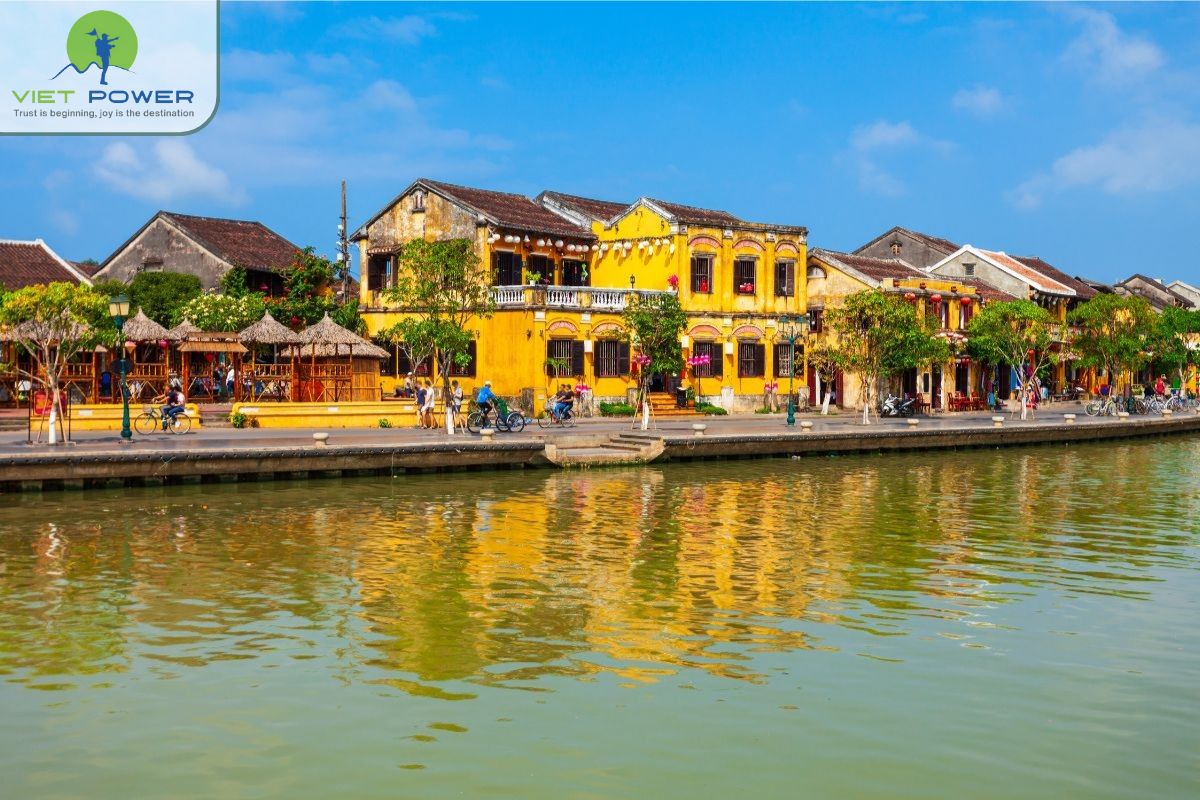
Hoi An qualifies as a UNESCO World Heritage Site because it preserves its original urban layout, architecture, and cultural traditions. The town also reflects centuries of cultural exchange between Vietnam and international trading communities.
Trade and Economic Importance: The town exported silk, ceramics, and agricultural goods. It imported products and ideas from across Asia and Europe. These exchanges shaped local customs, architecture, and religious practices.
Multicultural Communities: Chinese assembly halls, Japanese design elements, and European influences still exist today. Together, they form the cultural foundation of Hoi An Ancient Town. The town clearly demonstrates the blending of Vietnamese, Chinese, and Japanese cultural influences over several centuries.
Outstanding Universal Value: Hoi An’s value lies not only in its architecture but also in its continuity. The town still functions as a living community. Residents continue traditional practices inside historic buildings. Daily life blends naturally with tourism.
Local authorities and residents actively protect heritage structures. Development is carefully controlled.
All factors ensure long-term sustainability in Hoi An Ancient Town.
Let’s explore more posts on this topic to discover even more about Vietnam:
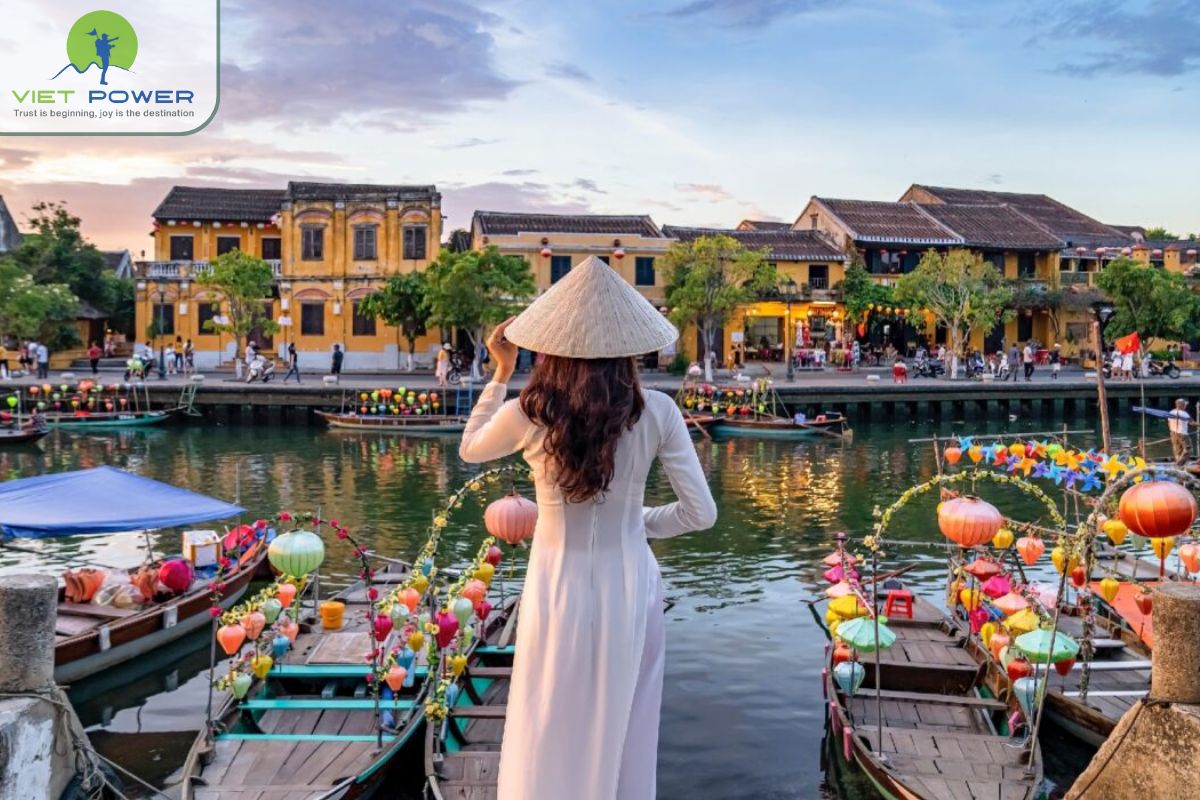
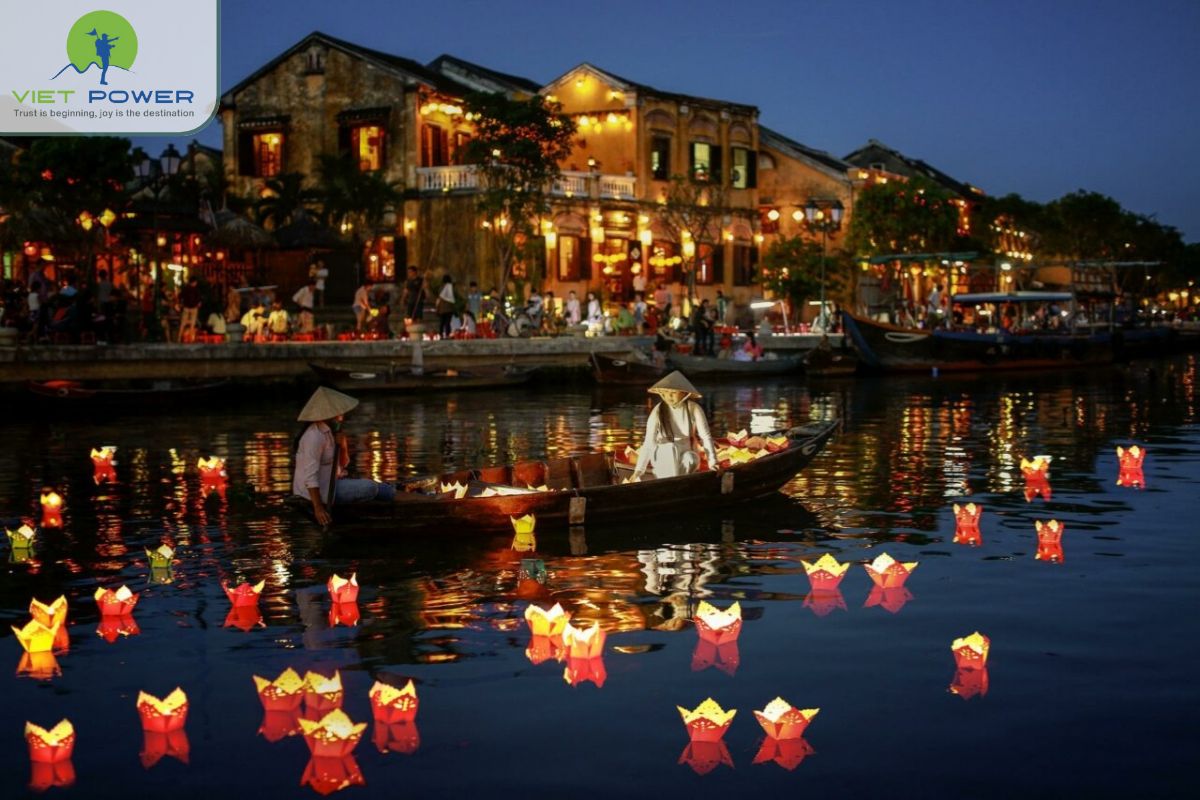
Hoi An is famous for lanterns because they have been part of the town’s cultural life for centuries. Today, lanterns represent prosperity, happiness, and tradition, especially during full moon festivals
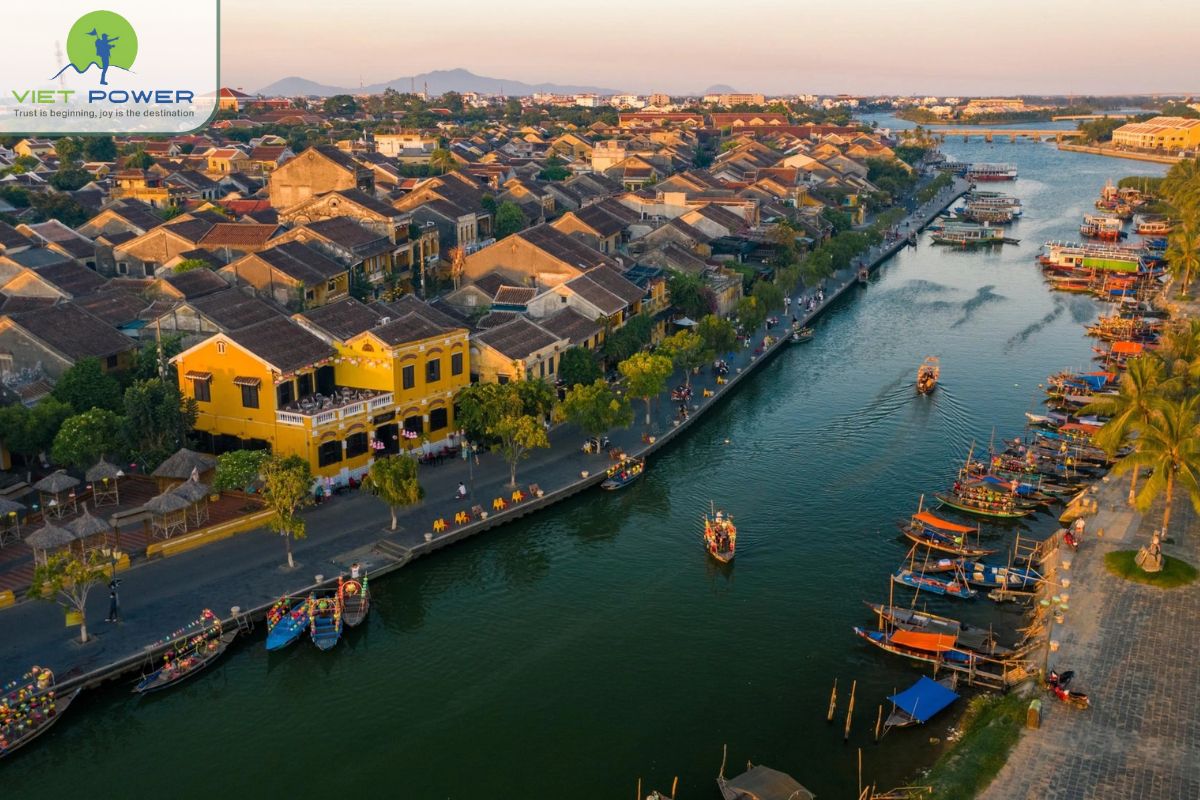
Hoi An Ancient Town contains more than 1,000 historic buildings, most dating from the 17th to 19th centuries.
Traditional Architectural Features: Most houses are narrow at the front and long inside. This design suited commercial activity and reduced flood damage. Common elements include wooden frames, tiled roofs, internal courtyards, and decorative carvings.
Why Are Hoi An’s Houses Always Dark Inside? Many visitors notice that ancient houses in Hoi An are surprisingly dark. This was intentional. Merchants believed dim interiors helped preserve goods such as silk and paper. Long house designs also created cooler indoor temperatures during hot months.
Small courtyards inside the homes allowed light and air to circulate without exposing goods to direct sunlight.
Famous Historic Houses: Several ancient houses are open to visitors:
Each building reveals how families lived and worked during Hoi An’s trading era.
The Japanese Covered Bridge is the most iconic landmark in Hoi An Ancient Town.
Historical Background: Built in the early 17th century, the bridge was constructed by the Japanese community living in Hoi An. It once connected Japanese and Chinese neighborhoods, symbolizing cooperation between trading groups.
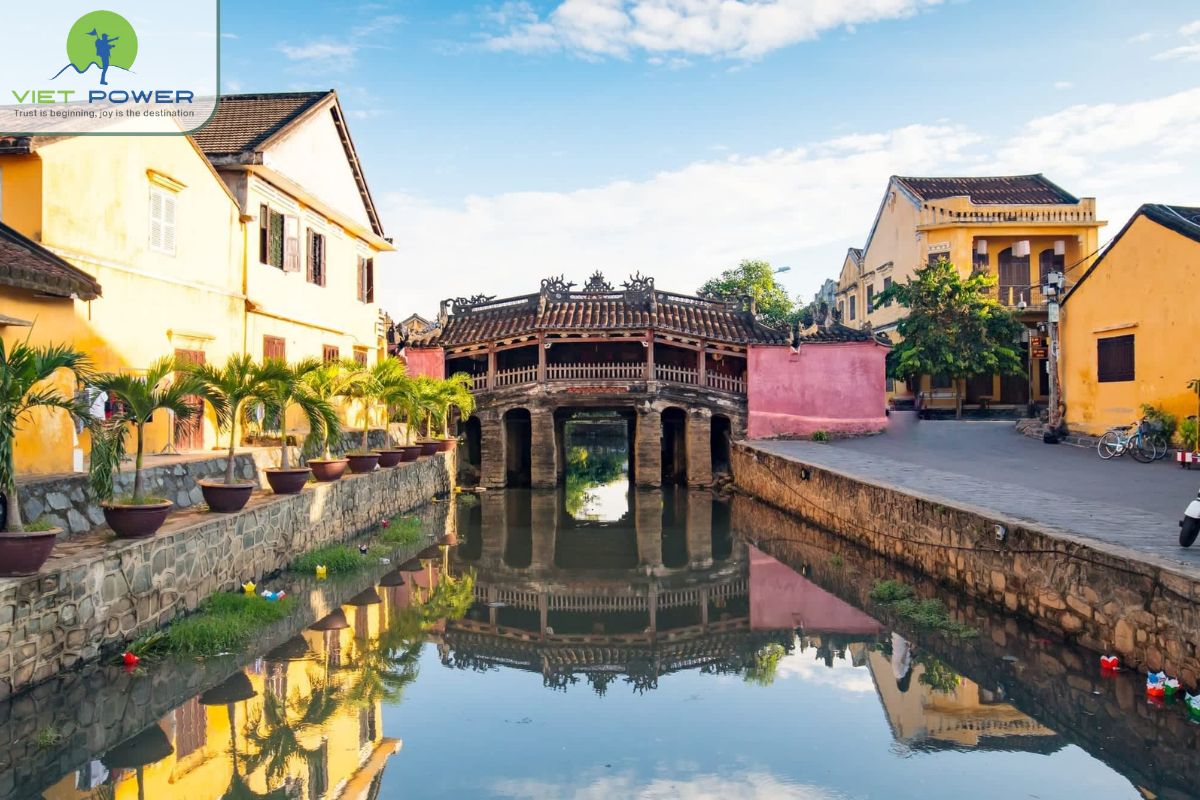
The Japanese Covered Bridge Was Built to Control a Mythical Monster: Local legend says the Japanese Covered Bridge was built not only for travel but also for spiritual protection. According to folklore, a giant mythical creature named Namazu stretched from India to Japan, causing earthquakes and floods. The bridge was believed to pin down the monster’s back, calming natural disasters.
Cultural Significance: The bridge features a covered wooden structure with a small temple inside. Today, it represents Hoi An’s multicultural heritage. It is also featured on Vietnam’s 20,000 VND banknote.
You can find more posts related to this topic in the category below:
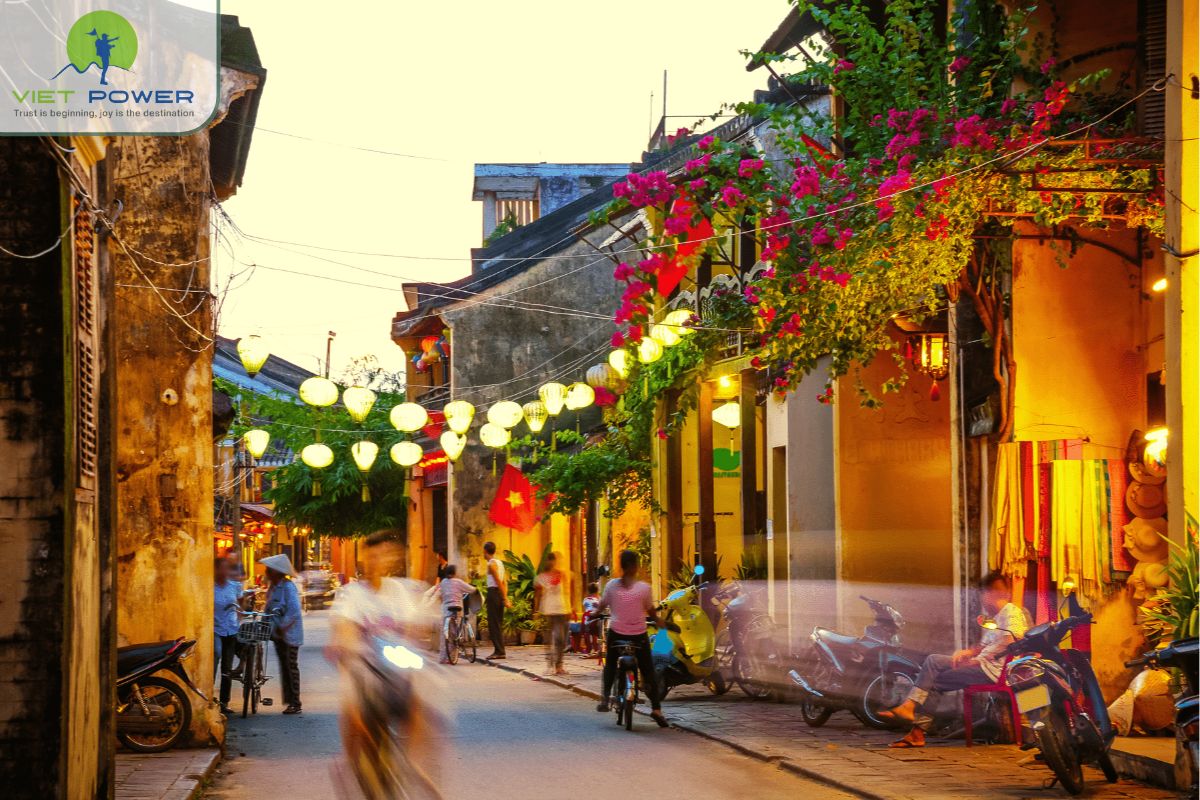
Hoi An’s streets play a central role in its charm and identity.
Preserved Street Layout: Streets such as Tran Phu, Nguyen Thai Hoc, and Bach Dang maintain their original layout. Historically, each street specialized in certain goods, creating an organized commercial system.
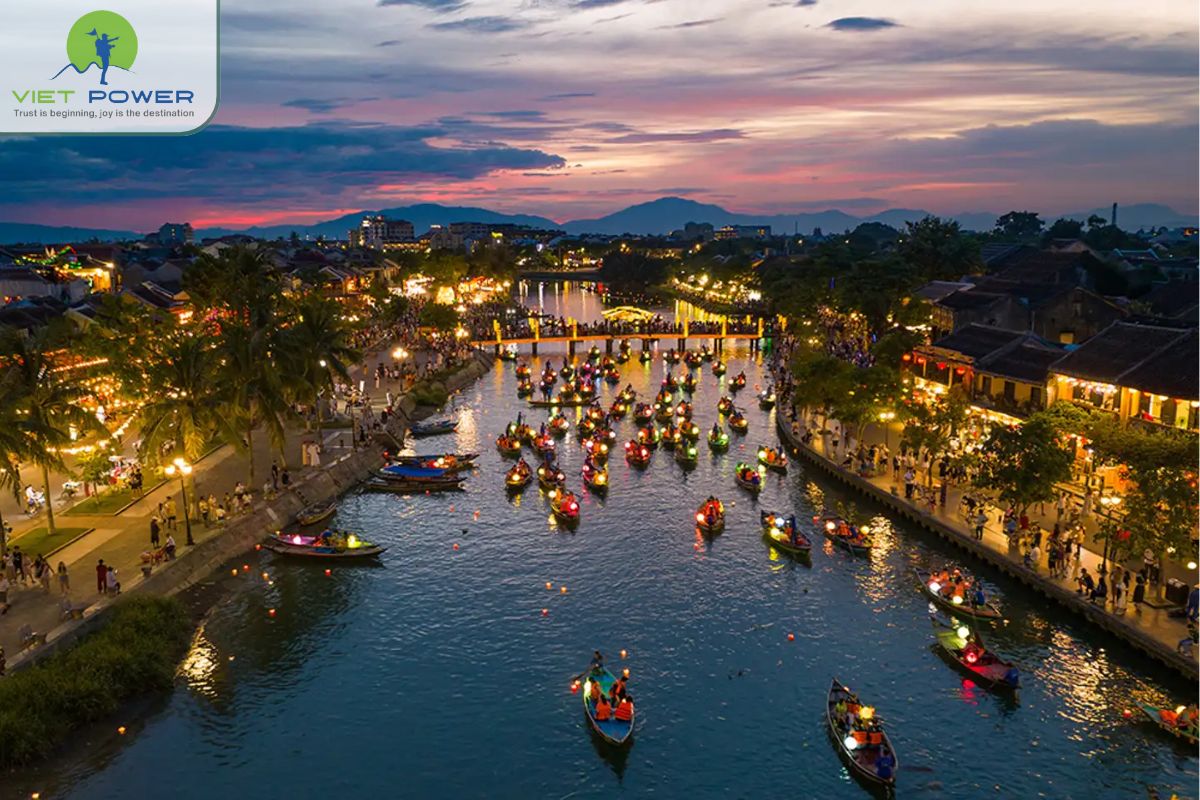
Lanterns and Nighttime Atmosphere: As evening falls, lanterns illuminate the town. Their soft glow creates a peaceful and romantic setting. During full moon nights, the Lantern Festival transforms the old town. Electric lights are turned off, and traditional performances fill the streets.
The Lantern Festival Follows the Lunar Calendar, Not Tourism Trends: Hoi An’s Lantern Festival was not created for tourists. It follows the lunar full moon, a time traditionally associated with gratitude and reflection. Local families light lanterns to honor ancestors and pray for harmony. Tourism came later, but the ritual remains rooted in spiritual life rather than performance.
Tailoring Became Famous Because of the Trading Era: Hoi An’s tailoring tradition began during the trading period. Merchants required fast, custom-made clothing before long voyages. Local tailors adapted quickly, developing skills that continue today. Modern tailor shops are a direct continuation of this historical demand, not a recent tourist trend.
Planning ahead helps travelers enjoy Hoi An Ancient Town more comfortably and meaningfully. Although the town is easy to explore, timing, length of stay, and preparation all affect the overall experience.
The best time to visit is from February to April. During these months, the weather is warm but not extreme. Rainfall is low, and the streets stay comfortable for walking. This period is ideal for sightseeing, photography, and outdoor activities.
Another good time is May to August, especially for travelers who enjoy sunshine and beach trips nearby. However, temperatures can be high at midday. Therefore, it is better to explore early in the morning or late in the afternoon.
From September to January, the rainy season arrives. Flooding may occur in some areas. Still, Hoi An Ancient Town looks peaceful and atmospheric during this time. Fewer crowds also allow for a quieter visit.
The ideal length of stay in Hoi An Ancient Town depends on personal travel style. Some travelers prefer a quick cultural stop, while others enjoy slowing down.
Most travelers find one to two days sufficient for a satisfying experience.
If you’re inspired to see Vietnam your own way, Vietpower Travel is here to create a journey that fits you perfectly.
Hoi An Ancient Town is more than a destination. It is a living story shaped by trade, culture, and resilience. From its merchant houses to its lantern-lit streets, every detail reflects centuries of history.
Contact Vietpower Travel today and begin your culture journey into Vietnam’s most timeless UNESCO World Heritage site.
Please kindly send us your ideas about the tours: destinations, attractions, your group, hotel class... we will get back to you with details & best offers quickly. Surely, you will feel satisfactory!
 |
 |
 |
 |
 |
 |

.jpg) Customize Your Trip
Customize Your Trip
 Vietnam Tours
 Thailand Tours
 Laos Tours
 Indonesia Tours
 Cambodia Tours
 Myanmar Tours