A museum offers travelers a deeper way to experience the country through history, art, royal heritage, and everyday culture. More than a place to view artifacts, each museum helps explain the stories behind dynasties, local traditions, Vietnamese art collections, and the cultural identity of different regions. For visitors who want more than sightseeing, museums bring greater meaning to every destination.
With Vietpower Travel, these cultural experiences to museums can be connected naturally into a richer journey across Vietnam. As a trusted travel company for Vietnam Tours, Vietpower Travel helps travelers discover history, heritage, and local life through carefully planned itineraries that include the country’s most meaningful museums and attractions.
Museums offer one of the clearest ways to understand Vietnam beyond scenery and food. They give travelers the background behind famous landmarks, explain how different regions developed, and bring together history, art, royal heritage, and local traditions in a way that is easy to follow. For anyone planning a cultural trip, adding a Museum in Vietnam to the itinerary can make other Vietnam Tourist Attractions feel more meaningful.
Before looking at each museum in detail, it helps to understand what these places actually offer. Museums in Vietnam are valuable because they do not focus on one narrow topic. Many of them bring together several layers of the country’s identity, which gives travelers a broader and more balanced understanding of Vietnam.
Visitors can learn about the national story through Vietnam historical artifacts from early cultures, dynastic periods, and later struggles for independence. They can also explore Vietnamese art collections that reflect changing ideas of beauty, belief, and social life.
In some museums, cultural heritage exhibitions highlight court objects, religious sculpture, and local craft traditions. In others, the focus shifts to royal heritage, folk performances, everyday customs, or the growth of major cities. This range is what makes museum visits so rewarding: they show that Vietnam’s identity was shaped by history, art, community life, and regional experience together.
Yes, many museums in Vietnam are suitable for families, students, and cultural travelers. Most are affordable, easy to visit in one to two hours, and work well as indoor cultural stops.
They are also among the most practical things to do in Vietnam museums, especially for travelers looking for family-friendly museums in Vietnam and educational museums in Vietnam.
You can find more posts related to this topic in our Vietnam tourist attractions category. Explore detailed travel guides, destination highlights, and inspiration for your next journey through Vietnam.
If you're wondering what are the best museums to visit in Vietnam or which museums best showcase history and culture, these five museums offer a clear answer. Each one represents a different aspect of Vietnam, from national history and fine arts to royal heritage, folk traditions, and urban identity.
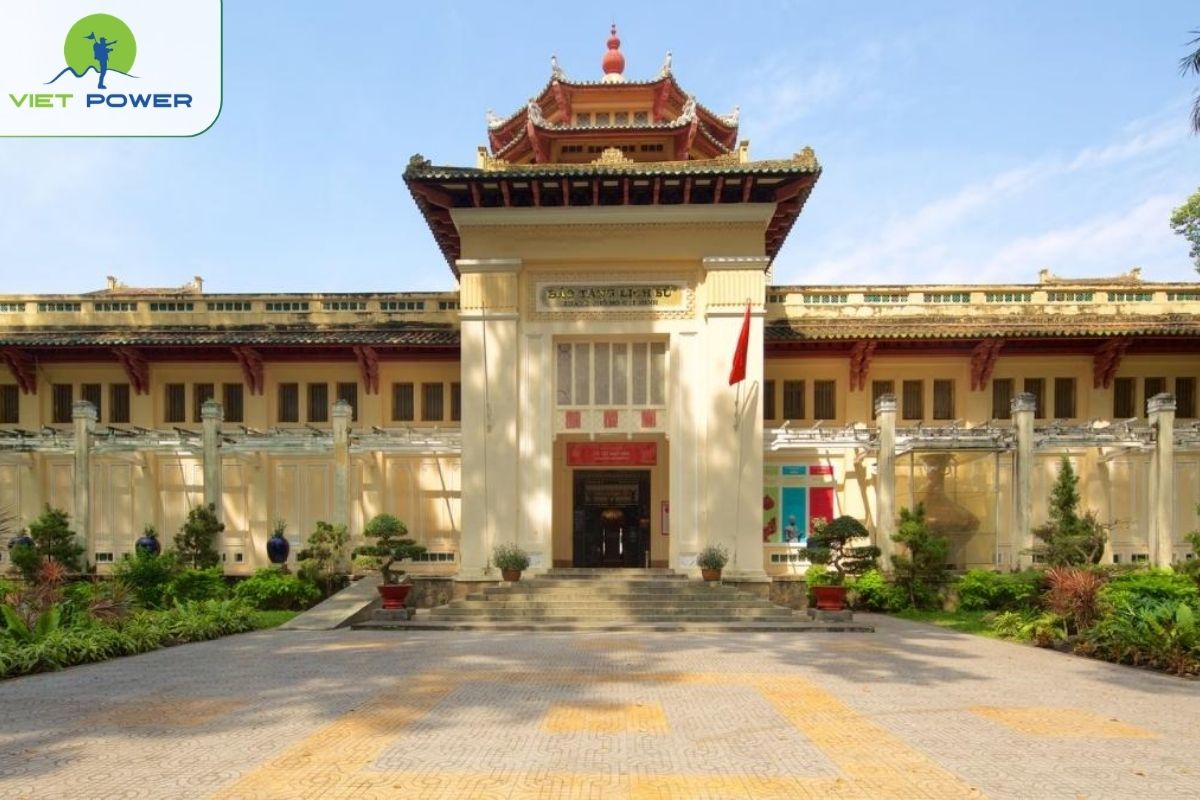
The Vietnam National Museum of History is one of the most comprehensive Vietnam history museums, offering a full timeline of Vietnam from prehistoric times to the modern era. It is especially valuable for travelers who want a structured understanding of how the country developed across different dynasties and historical periods.
Inside, visitors can explore a wide range of Vietnam historical artifacts, including Dong Son bronze drums, ancient tools, royal objects, and Champa sculptures.
The exhibits are arranged chronologically, which makes it easier to follow the transition from early civilizations to imperial dynasties and later national movements. The building itself also reflects Indochinese architecture, adding another cultural layer to the visit.
This museum is ideal as a starting point in Hanoi because it gives context for many other heritage sites in the city.
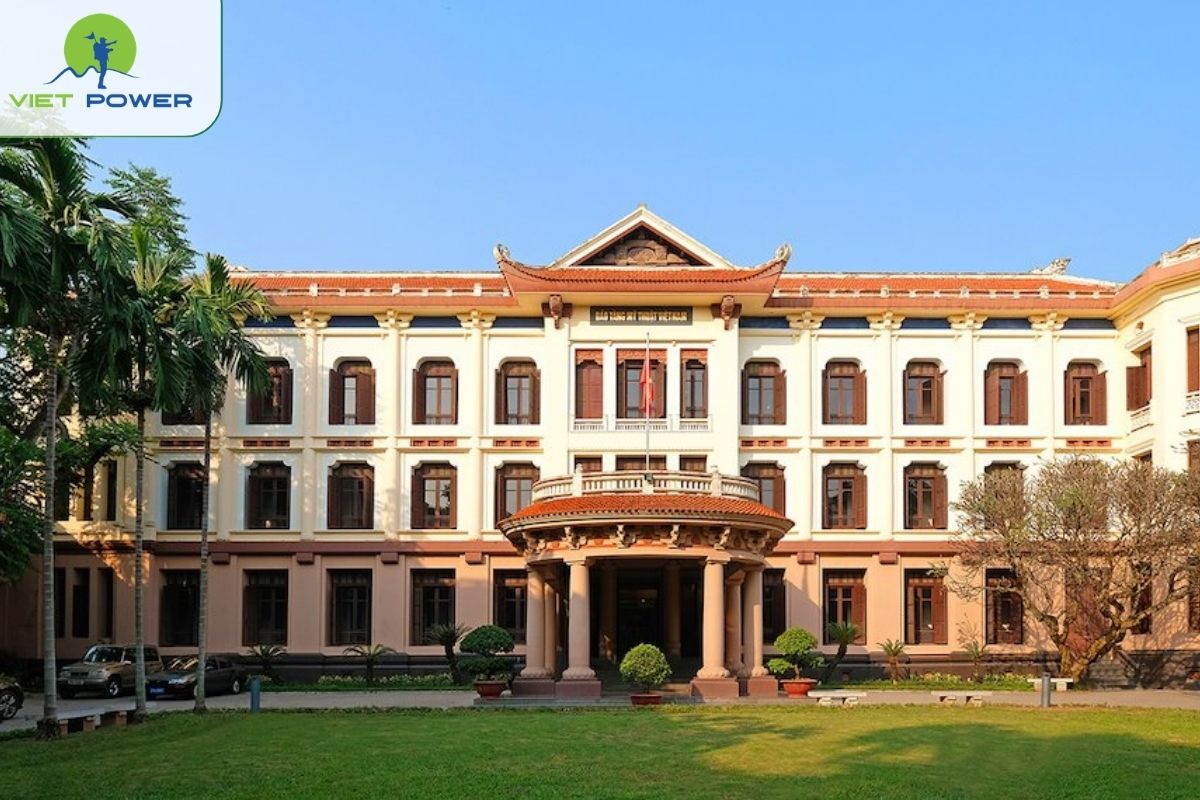
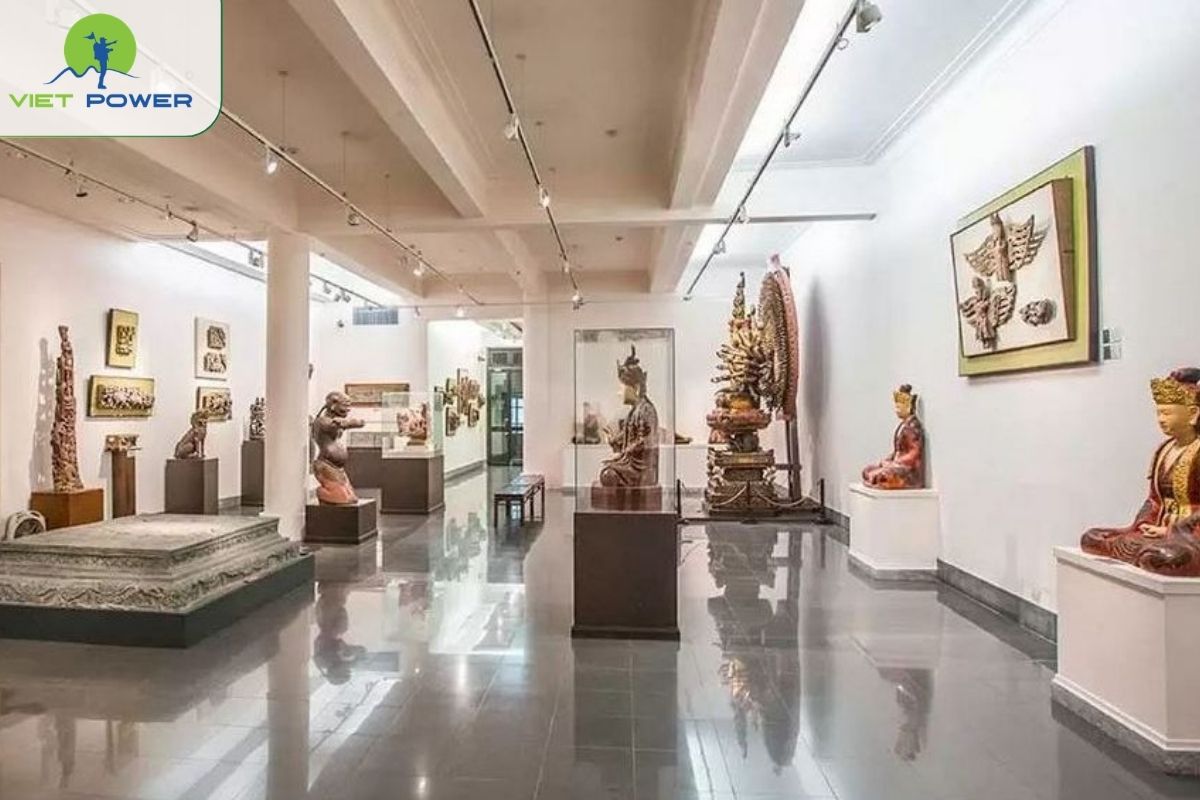
The Vietnam Fine Arts Museum is one of the leading Vietnam art museums, focusing on how Vietnamese art has developed from traditional forms to modern expression. It is a strong choice for travelers who want to explore culture through visual storytelling.
The museum displays rich Vietnamese art collections, including lacquer paintings, silk paintings, woodblock prints, sculpture, and religious artworks.
Each section reflects a different period and artistic style, helping visitors understand how art connects with daily life, beliefs, and historical changes. The layout is clear and easy to follow, making it accessible even for visitors without an art background.
Through its cultural heritage exhibitions, the museum shows how creativity reflects identity across generations. It is especially suitable for art lovers and travelers who want a deeper cultural experience in Hanoi.
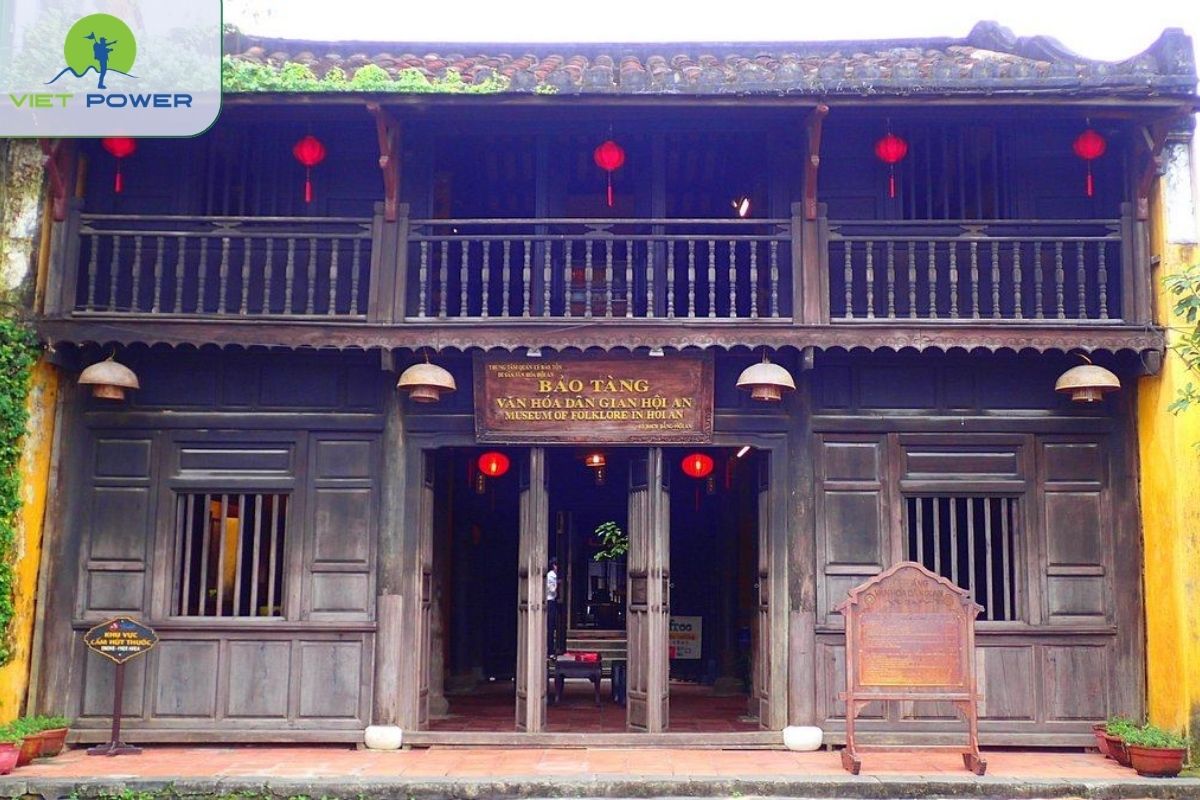
The Hoi An Museum of Folk Culture offers a closer look at everyday life and traditions, making it one of the most authentic Vietnam cultural museums. Instead of focusing on national history, it highlights how local communities lived, worked, and expressed their culture.
The museum presents folk culture displays of Vietnam such as traditional crafts, clothing, tools, and performance arts. Visitors can learn about Bai Choi singing, Ba Trao rituals, and Thien Cau dance, which are part of the region’s cultural identity. The building itself is a traditional wooden house, which adds to the overall experience.
Although smaller than other museums, it plays an important role in helping travelers understand Hoi An beyond its visual charm. It fits naturally into a walking route through the Ancient Town.
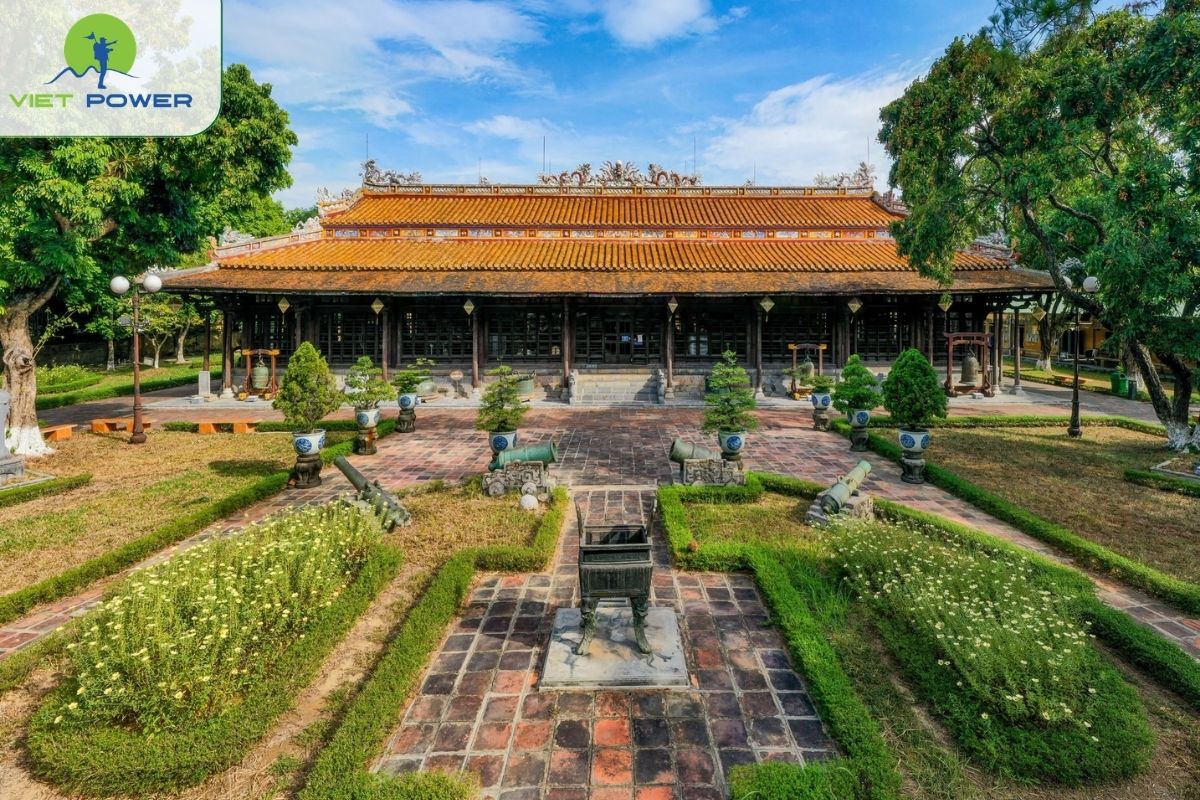
The Hue Museum of Royal Antiquities is the best place to explore the royal antiquities of the Nguyen dynasty and understand imperial life in Vietnam. It focuses on court culture, ceremonial practices, and the material world of the Nguyen emperors.
The collection includes royal costumes, enamelware (phap lam), ceramics, seals, and ceremonial objects used in the imperial court. Many items reflect craftsmanship and symbolic meaning linked to royal power.
The museum is located in Long An Palace, a historic wooden structure that enhances the atmosphere and makes the visit more immersive.
This museum is particularly valuable for travelers exploring Hue, as it connects directly with the city’s imperial heritage and historical sites.
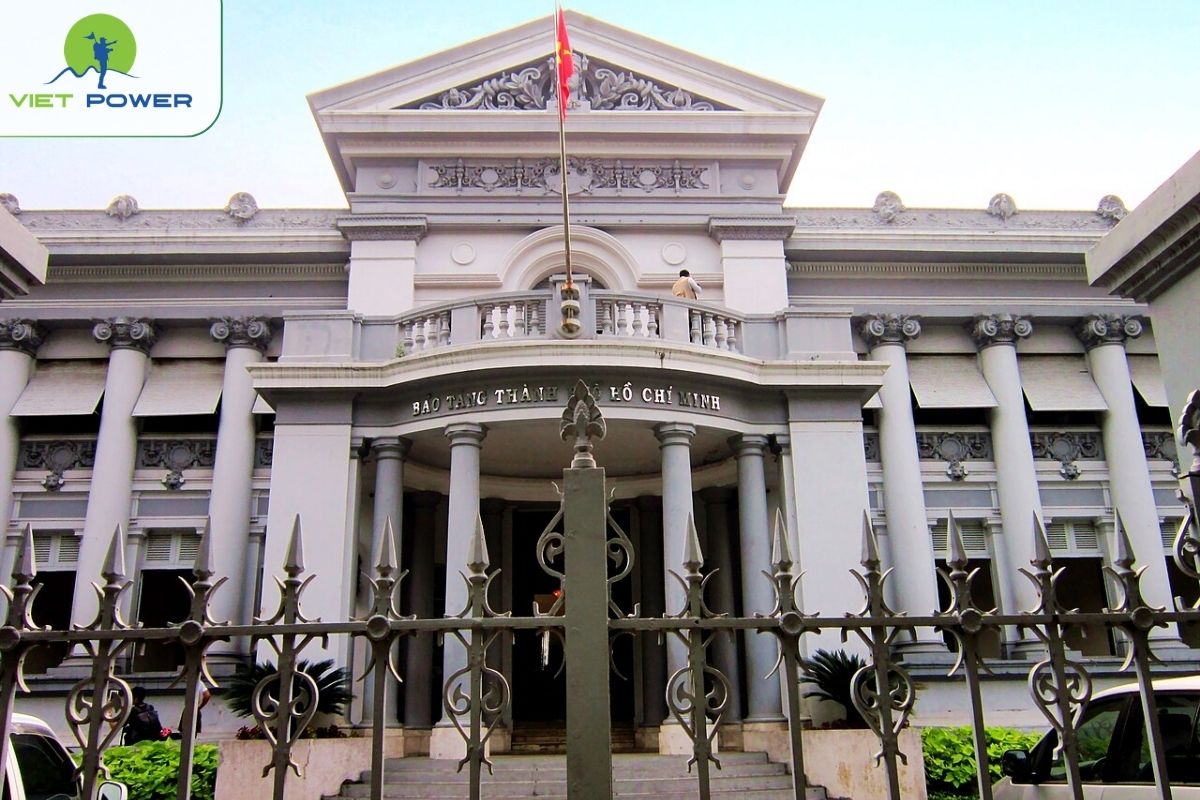
The Ho Chi Minh City Museum focuses on the transformation of Saigon into a modern urban center. It presents a different perspective compared to traditional Vietnam history museums, with a stronger emphasis on city development and social change.
Inside, visitors can explore exhibits on urban history, colonial architecture, governance, and everyday life in the city. The building itself is a former colonial structure, which adds historical context to the experience.
Instead of focusing mainly on dynasties, the museum highlights how Ho Chi Minh City grew through different political and economic periods.
This museum is a good addition to any Ho Chi Minh City itinerary, especially for travelers interested in understanding the city beyond its modern appearance.
Each major city in Vietnam offers a different museum experience. Hanoi is strongest for national history and fine arts, Hue stands out for royal heritage, Hoi An reflects folk culture and local traditions, and Ho Chi Minh City is ideal for urban history. Choosing the right Museum in Vietnam can add more depth to nearby Vietnam Tourist Attractions.
Among the top museums in Hanoi, the Vietnam National Museum of History and the Vietnam Fine Arts Museum are the strongest choices. One gives visitors a broad view of Vietnamese history, while the other highlights the country’s artistic heritage.
Hanoi is a very good option for culturally curious first-time visitors who want both history and art in one city.
Dreaming of an unforgettable Vietnam adventure? Let Vietpower Travel build a personalized tour that brings your vision to life.
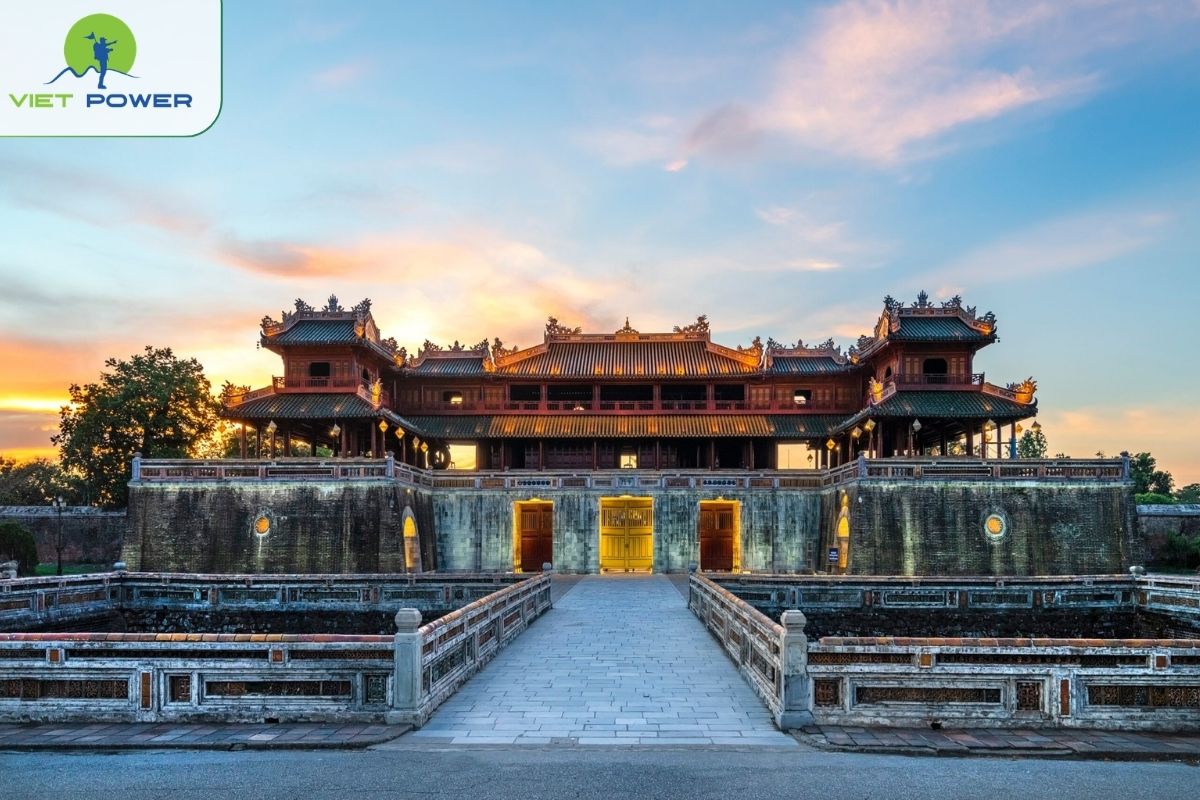
For travelers focused on court life and Nguyen dynasty heritage, museums in Hue offer a more specialized experience.
The Hue Museum of Royal Antiquities is the clearest choice for understanding imperial culture through royal objects, ceremonial items, and palace-related collections. It also fits naturally with Hue’s wider heritage setting.
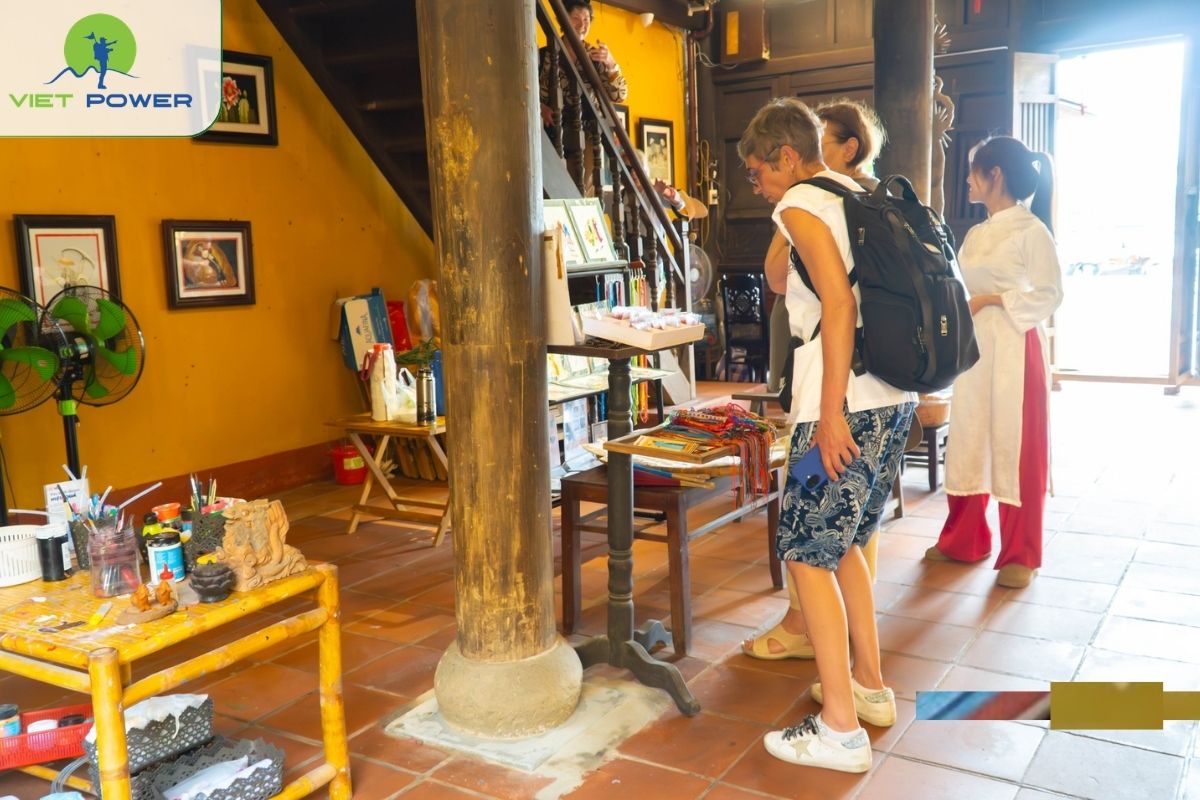
Among the main museums in Hoi An, the Hoi An Museum of Folk Culture is best for visitors interested in local customs, craft traditions, and intangible heritage. It works especially well as part of a walking tour through the Ancient Town, adding cultural context to the streets, houses, and community spaces visitors already see outside.
For travelers interested in city history and southern urban culture, museums in Ho Chi Minh City offer a different perspective.
The Ho Chi Minh City Museum helps explain how Saigon developed through colonial and modern periods. It is a strong cultural stop that complements District 1 sightseeing well.
Visiting a Museum in Vietnam offers travelers a deeper understanding of the country through history, art, royal heritage, and everyday culture. From Hanoi to Hue, Hoi An to Ho Chi Minh City, each museum reflects a unique part of Vietnam’s identity and development. These experiences help connect destinations, making your journey more complete and insightful.
Plan your classic trip to Vietnam and include these museums in your route to enjoy a deeper cultural journey through some of the country’s most meaningful tourist attractions
Please kindly send us your ideas about the tours: destinations, attractions, your group, hotel class... we will get back to you with details & best offers quickly. Surely, you will feel satisfactory!
 |
 |
 |
 |
 |
 |

.jpg) Customize Your Trip
Customize Your Trip
 Vietnam Tours
 Thailand Tours
 Laos Tours
 Indonesia Tours
 Cambodia Tours
 Myanmar Tours