Ta Van trekking is one of the most rewarding experiences in northern Vietnam. Located in the heart of Sapa Valley, this journey takes travelers through breathtaking rice terraces, peaceful streams, and authentic ethnic minority villages. More importantly, it offers a close look at local life that few destinations can match.
If you are searching for a balanced adventure that combines nature, culture, and easy trails, Ta Van trekking is an excellent choice. Follow Vietpower Travel and discover the beauty of Sapa and the cultural journey of ethnic villages.
Ta Van Village lies about 10–12 kilometers from Sapa town in Lao Cai Province. It is located in the scenic Muong Hoa Valley, an area famous for layered rice terraces and traditional ethnic communities. As a result, Ta Van trekking has become one of the most popular trekking routes in Sapa.
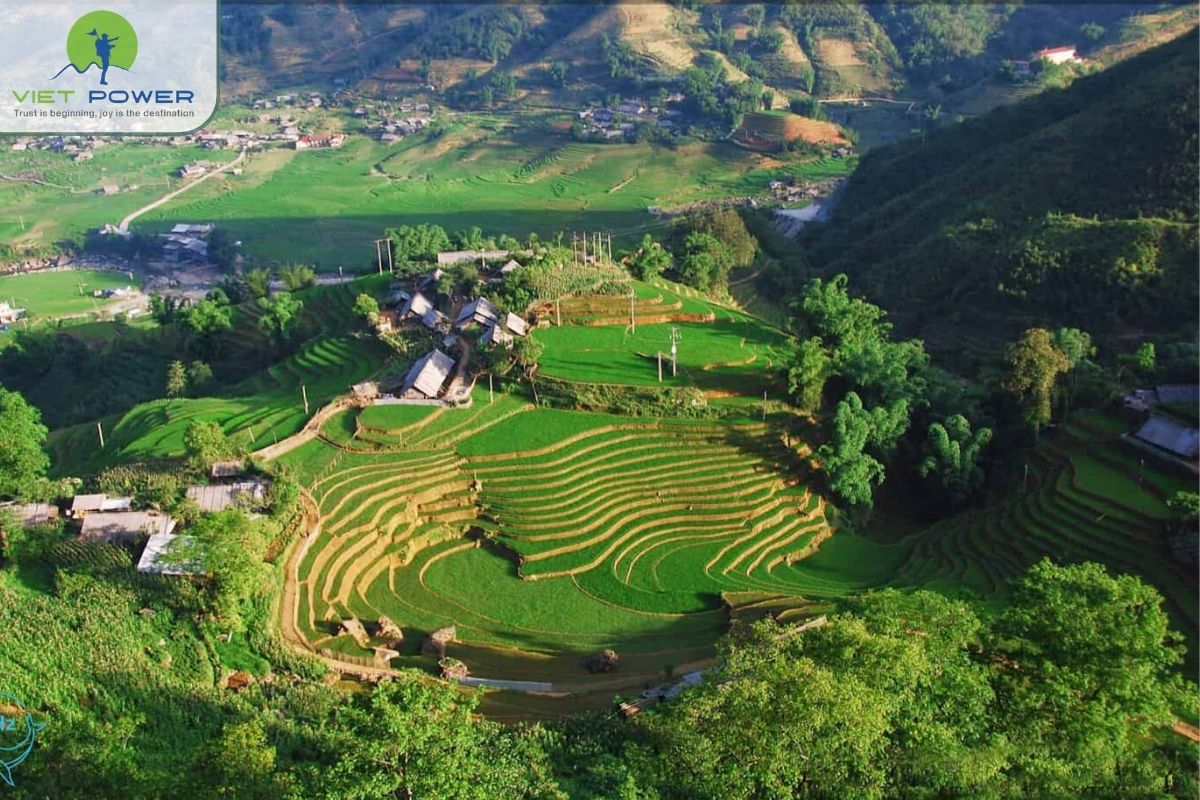
The trail to Ta Van winds through rolling hills and terraced fields carved into mountain slopes. These rice terraces change color with the seasons. In spring and summer, they are bright green. During harvest season, they turn golden. Therefore, the landscape always feels dynamic and alive.
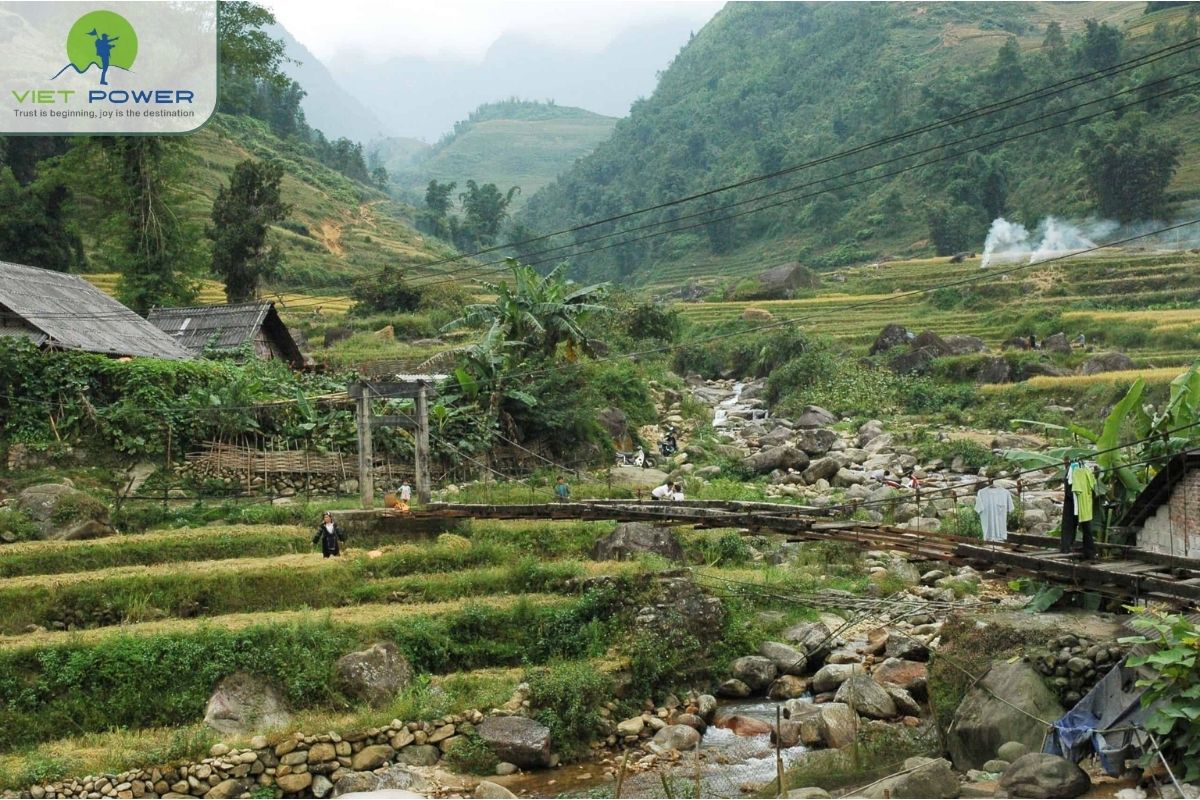
Along the way, trekkers follow small dirt paths, village lanes, and gentle slopes. The terrain is not extreme, which makes it suitable for most visitors. In addition, the valley’s open views allow plenty of photo opportunities.
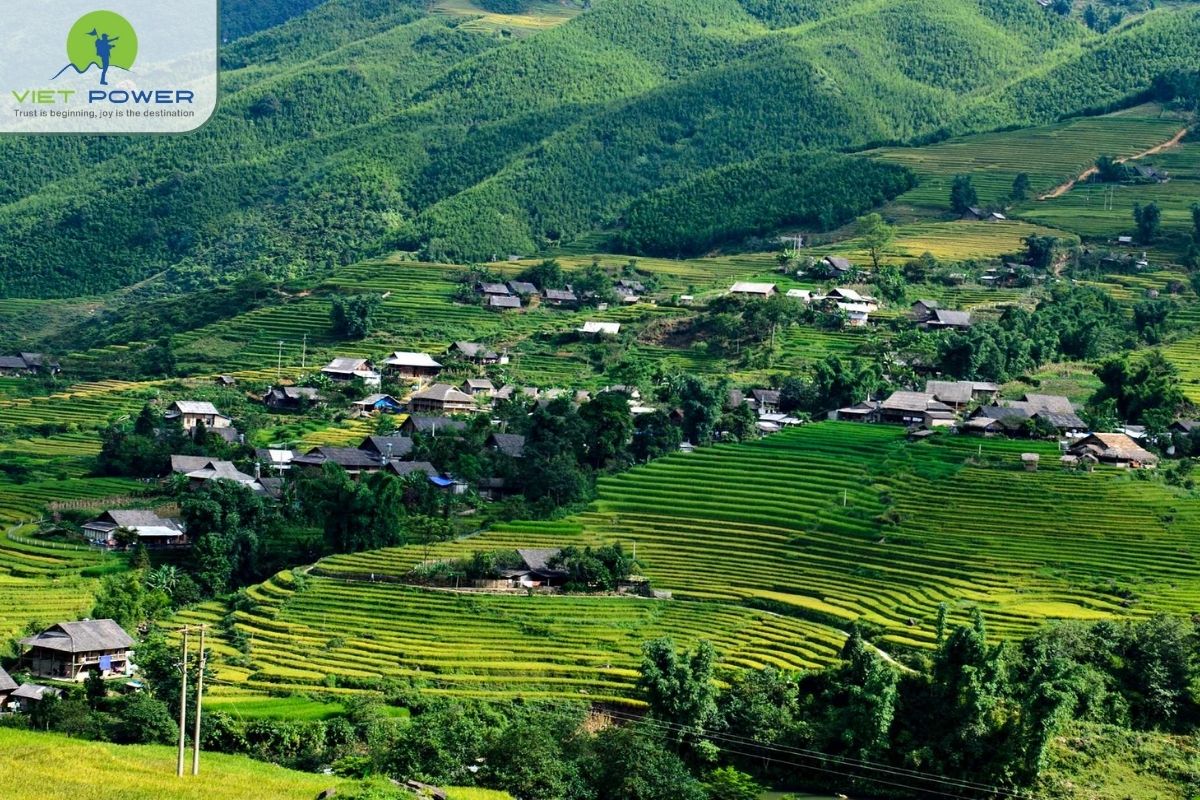
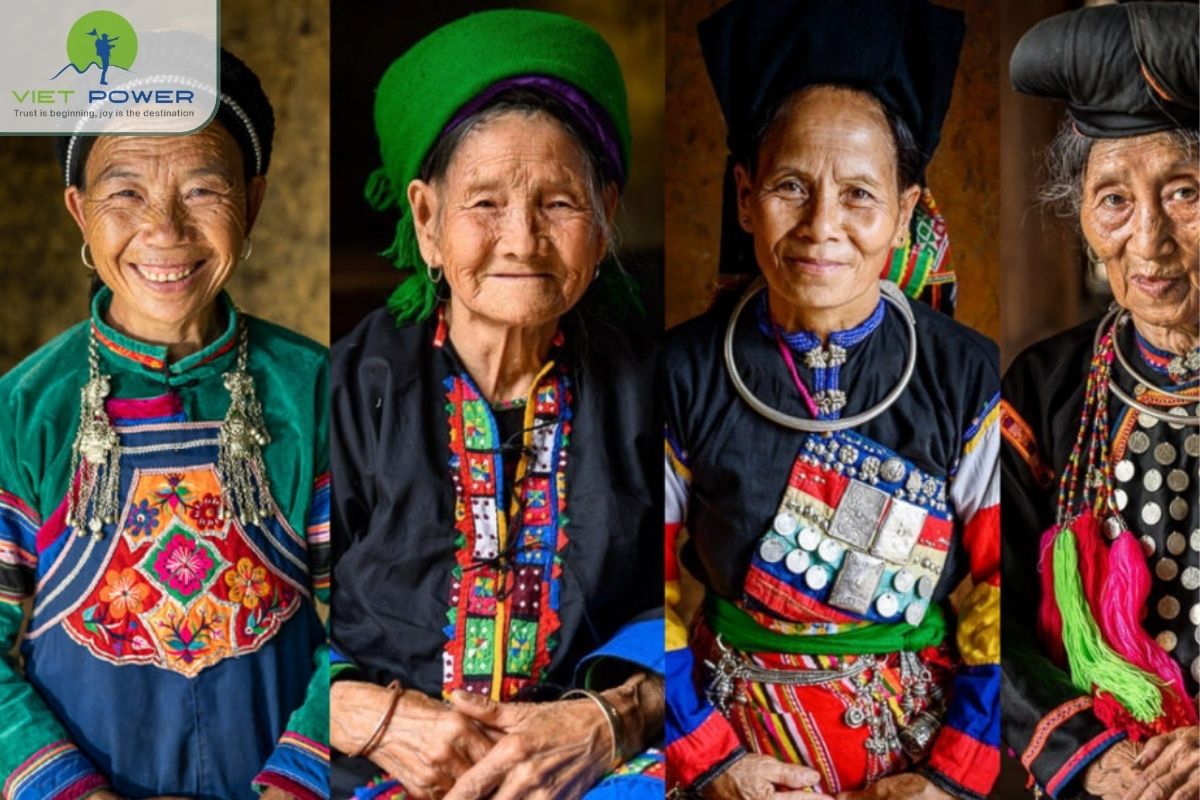
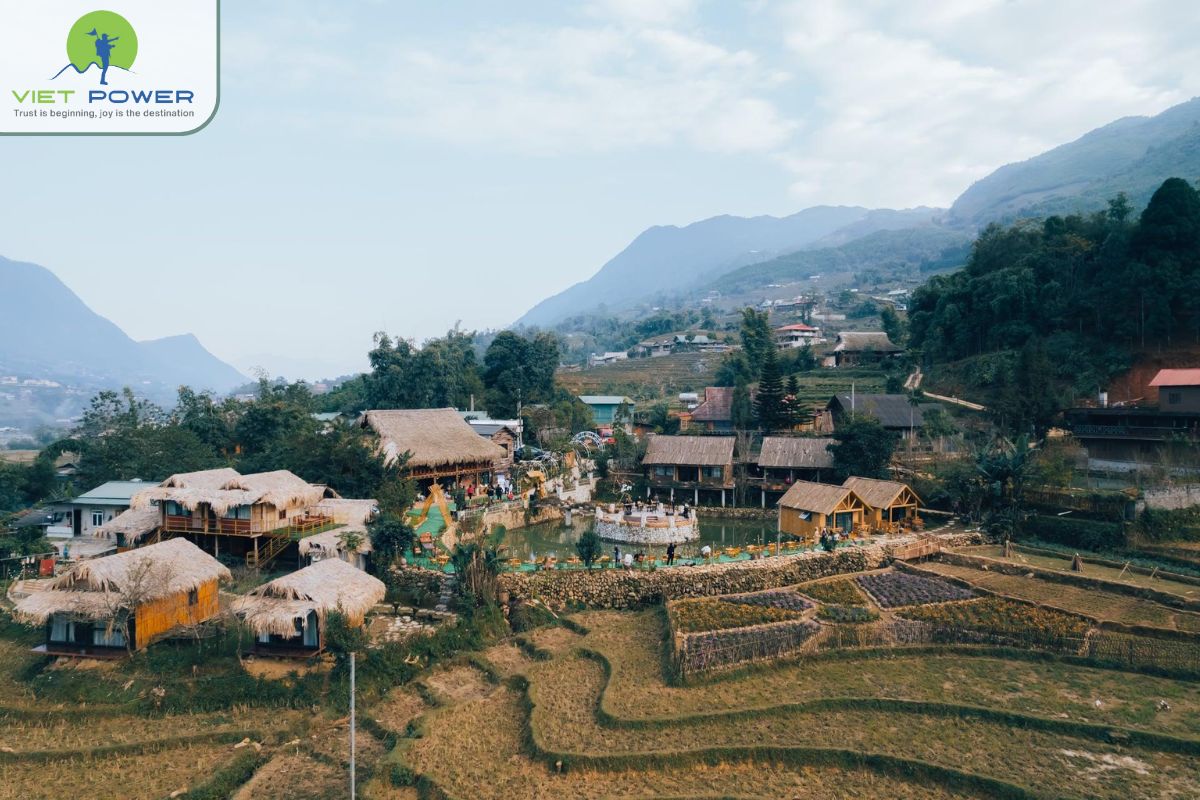
Ta Van Village is home mainly to the Giay ethnic minority, along with some H’Mong and Red Dao families. Each group preserves unique traditions, clothing, and architecture. For example, Giay houses are often built on stilts and located near rice fields.
Because of this cultural richness, Ta Van trekking is not just a nature walk. Instead, it becomes a journey into daily life in the highlands. Visitors can see farmers working in the fields, children walking home from school, and women weaving traditional textiles.
Let’s continue exploring more about Vietnam and its stunning natural scenery. Visit our Vietnam nature category to discover national parks, mountains, beaches, and breathtaking landscapes across the country.
Sapa Valley trekking is famous for its stunning scenery. However, the route to Ta Van stands out for its combination of beauty and accessibility.
The length of Ta Van trekking depends on your chosen itinerary. Most classic routes start from Sapa town and pass through several villages before reaching Ta Van.
A typical one-day trek covers about 7 to 12 kilometers. The walking time usually ranges from four to six hours, including breaks. The pace is moderate, and there are frequent stops for photos and rest.
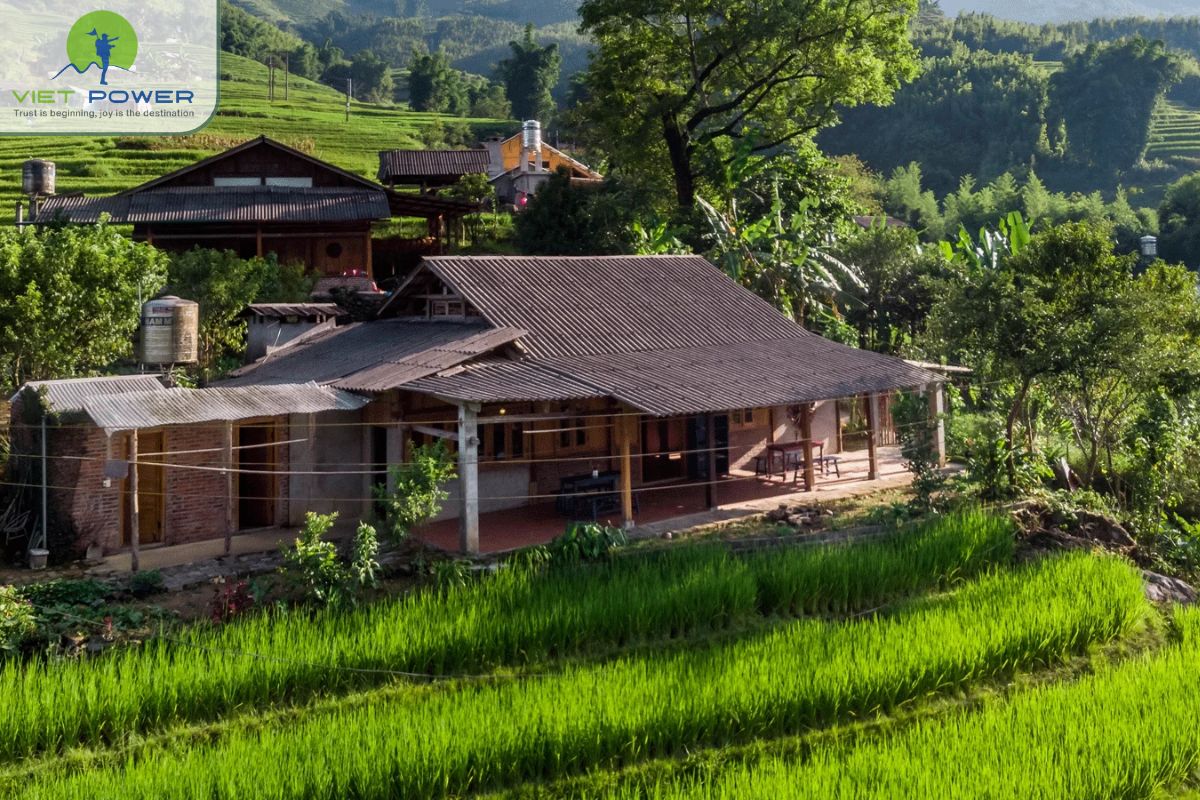
For travelers who want more time, a two-day trek is ideal. On the first day, you walk to Ta Van and stay overnight in a homestay. On the second day, you may continue to nearby villages such as Giang Ta Chai before returning to Sapa.
Therefore, both short and extended options are available. Vietpower Travel can customize the schedule based on your fitness level and interests.
Most Ta Van trekking routes include visits to several ethnic villages in Muong Hoa Valley.
Y Linh Ho is often the first stop. This small H’Mong village offers wide views over the valley. Next, trekkers usually pass through Lao Chai, another Black H’Mong community known for its beautiful terraced fields.
Finally, the route leads to Ta Van Village, where the Giay community lives. On longer itineraries, travelers may also visit Giang Ta Chai, a Red Dao village surrounded by bamboo forests and waterfalls.
Each village offers a different cultural perspective. As a result, the journey feels diverse and engaging from start to finish.
Do you know The Love Market Tradition of the H’Mong People? In the past, young H’Mong men and women gathered in Sapa town for the traditional Love Market. It was not just a market but a social gathering where people sang, played traditional instruments, and looked for partners. Although modern life has changed this tradition, it still reflects the strong community ties among ethnic minorities in the region.
You can find more posts related to this topic in the category below:
Many travelers wonder whether Ta Van trekking is too challenging. Fortunately, it is generally considered an easy to moderate trek.
The trails are mostly well-defined and not technical. While there are some uphill and downhill sections, they are gradual. In dry weather, the paths are comfortable to walk on. During rainy months, however, the ground can become muddy. Therefore, proper footwear is essential.
Because the route does not require climbing skills, beginners can complete it with basic fitness. Families with older children often choose this trek as well.
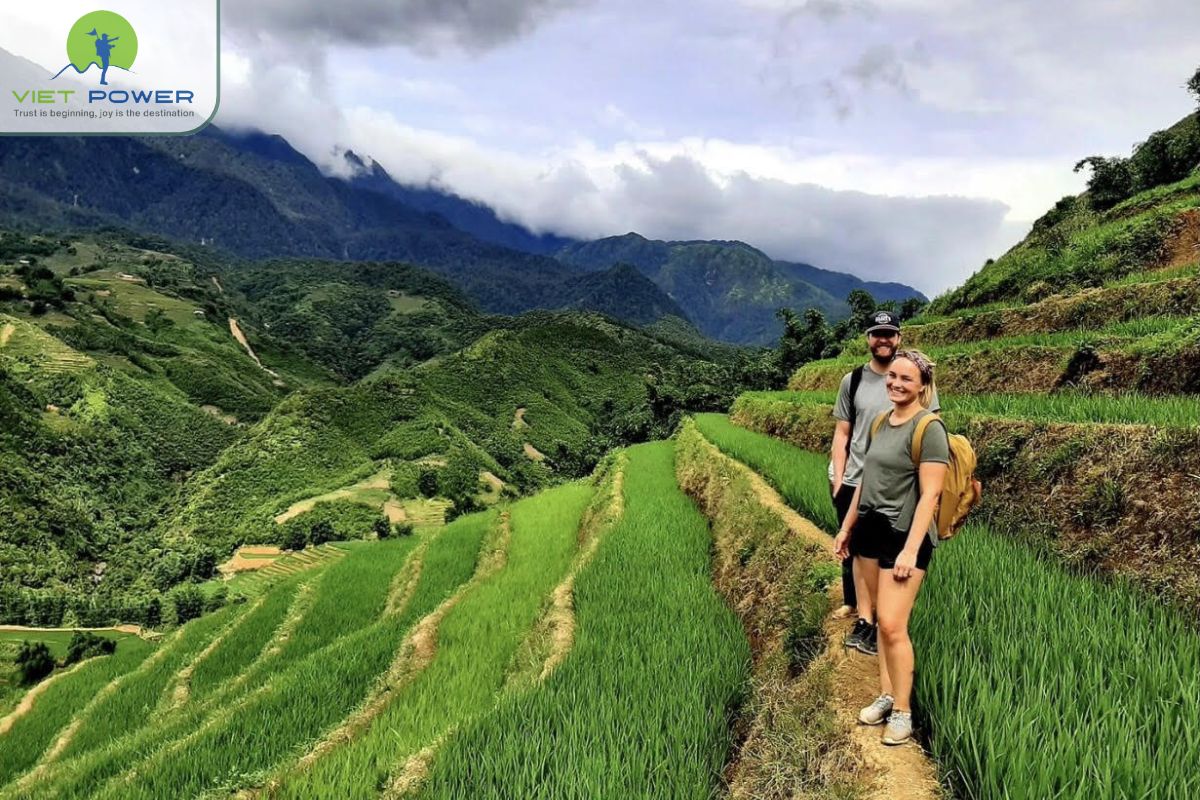
The scenery changes throughout the year. Therefore, the best time depends on your preferences.
From March to May, the weather is mild and the fields are lush green. This period is ideal for comfortable trekking conditions.
From late August to September, the rice terraces turn golden. Many photographers prefer this harvest season.
Between May and July, you can see water-filled terraces reflecting the sky. However, rain showers are more frequent.
From December to February, temperatures drop and mist is common. While colder, the atmosphere can feel magical.
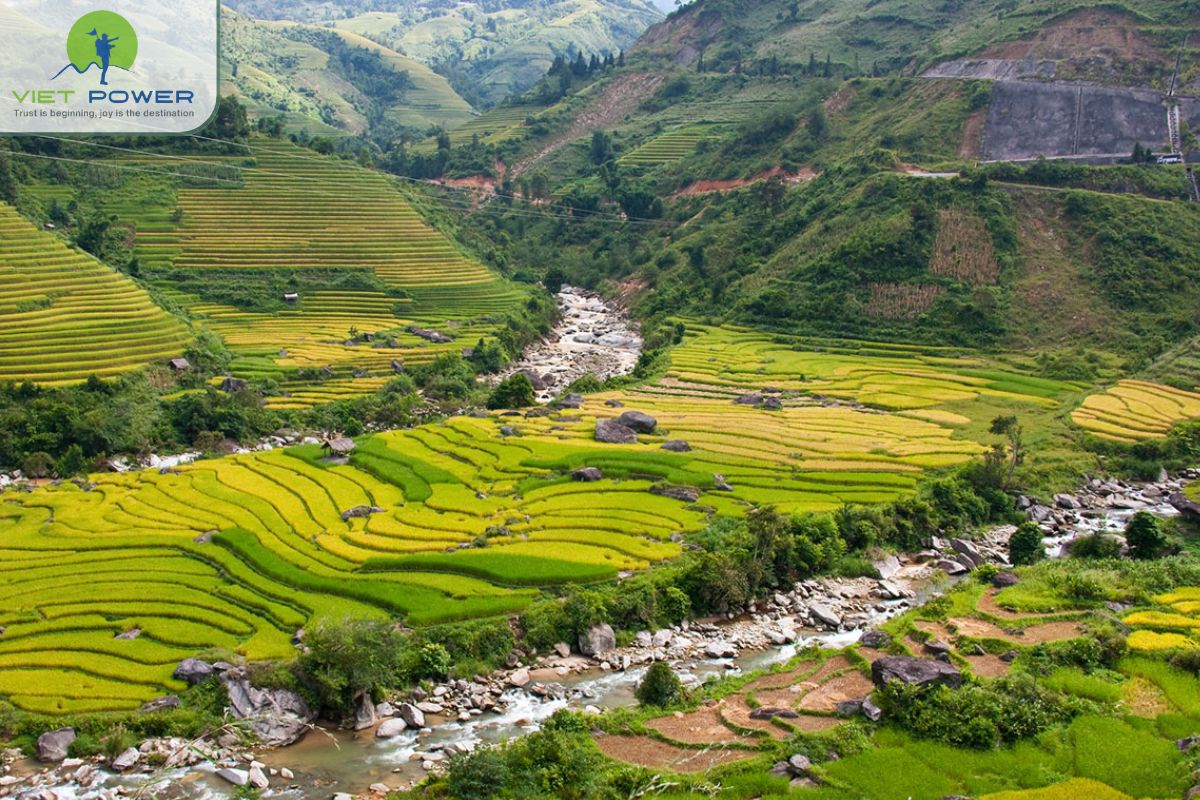
When are the rice terraces in Sapa most beautiful? The rice terraces are most beautiful from late August to September during harvest season when they turn golden.
From May to July, flooded terraces create mirror-like reflections. Each season offers a different visual experience.
Overall, spring and autumn are considered the best seasons for Ta Van trekking due to pleasant weather and clear views.
Discover more posts on the same topic to deepen your appreciation of Vietnam’s nature:
The ideal duration depends on your travel schedule and interests.
A one-day trek is suitable for travelers with limited time. It offers beautiful views and cultural encounters in a short period. However, it may feel rushed.
A two-day, one-night trek is the most recommended option. It allows you to walk at a relaxed pace and enjoy the homestay experience. Moreover, you can explore additional villages beyond Ta Van.
For adventure lovers, a three-day trek can connect Ta Van with more remote areas like Ban Ho. This option offers deeper cultural immersion and quieter trails.
Therefore, most visitors choose two days as the perfect balance between activity and relaxation.
Packing correctly ensures a comfortable trip.
First, bring sturdy walking shoes with good grip. This is especially important during wet months.
Next, wear lightweight clothing that dries quickly. A waterproof jacket is necessary in case of rain. In cooler seasons, bring a warm layer for the evening.
You should also carry a small daypack with water, sunscreen, a hat, and insect repellent. If you plan to stay overnight, pack basic toiletries and a change of clothes.
Finally, keep some cash for small purchases or tips. Although some homestays offer modern amenities, it is better to be prepared.
Turn your dream of discovering Vietnam into reality with a personalized tour crafted by Vietpower Travel.
One of the highlights of Ta Van trekking is the opportunity to stay overnight in a local home. This experience adds depth to the journey and creates meaningful connections. Many families offer homestay services with basic yet comfortable facilities. Rooms are simple, but they are clean and welcoming.
Guests usually share dinner with the host family. Meals often include rice, fresh vegetables, local herbs, and traditional dishes. In the evening, you may enjoy conversations, herbal tea, or even local rice wine.
Staying overnight allows you to see the village at sunrise and sunset. These quiet moments are often the most memorable part of Ta Van trekking.
A Unique Herbal Bath Tradition: Some Red Dao families in nearby villages are known for their traditional herbal baths. They boil a mixture of forest herbs and roots to create a medicinal soak. This practice is believed to reduce fatigue and improve circulation.
After a full day of trekking, some homestays offer this herbal bath experience. It is both relaxing and culturally meaningful.
Planning a trekking trip in Vietnam? Discover scenic landscapes, famous hiking routes, best seasons, safety tips and adventure travel ideas.
Ta Van trekking offers a unique blend of natural beauty and cultural discovery. From the rice terraces of Muong Hoa Valley to the warm hospitality of ethnic minority villages, every step reveals something meaningful. The trails are accessible, the scenery is breathtaking, and the homestay experience adds authenticity.
If you are ready to explore Sapa Valley in a deeper way, contact Vietpower Travel today. Let us help you plan your Ta Van trekking adventure and create memories that will last a lifetime.
Please kindly send us your ideas about the tours: destinations, attractions, your group, hotel class... we will get back to you with details & best offers quickly. Surely, you will feel satisfactory!
 |
 |
 |
 |
 |
 |

.jpg) Customize Your Trip
Customize Your Trip
 Vietnam Tours
 Thailand Tours
 Laos Tours
 Indonesia Tours
 Cambodia Tours
 Myanmar Tours