Tram Chim National Park is one of the most important wetland ecosystems in Vietnam. Recognized as a Ramsar wetland site in Vietnam, it plays a key role in biodiversity conservation and sustainable tourism. Located in the heart of Dong Thap Muoi, this unique destination offers travelers a rare chance to explore flooded grasslands, observe migratory birds, and understand ecological preservation.
In this post, let Vietpower Travel introduce the natural beauty and conservation values of Tram Chim national park.
Tram Chim is a symbol of the original Mekong Delta landscape. It reflects how wetlands once shaped life in southern Vietnam.
What is a Ramsar wetland site? It is a wetland designated as being of international importance under the Ramsar Convention on Wetlands, an intergovernmental treaty signed in 1971 in Ramsar, Iran. These sites are recognized for their significance in biodiversity, rarity, or ecological value, with countries committing to their conservation and wise use.
Tram Chim National Park is one of the most significant wetlands in Southeast Asia. It was designated as a Ramsar site due to its ecological importance and biodiversity richness. The park spans more than 7,000 hectares and represents the last remaining natural wetland of the Mekong Delta.
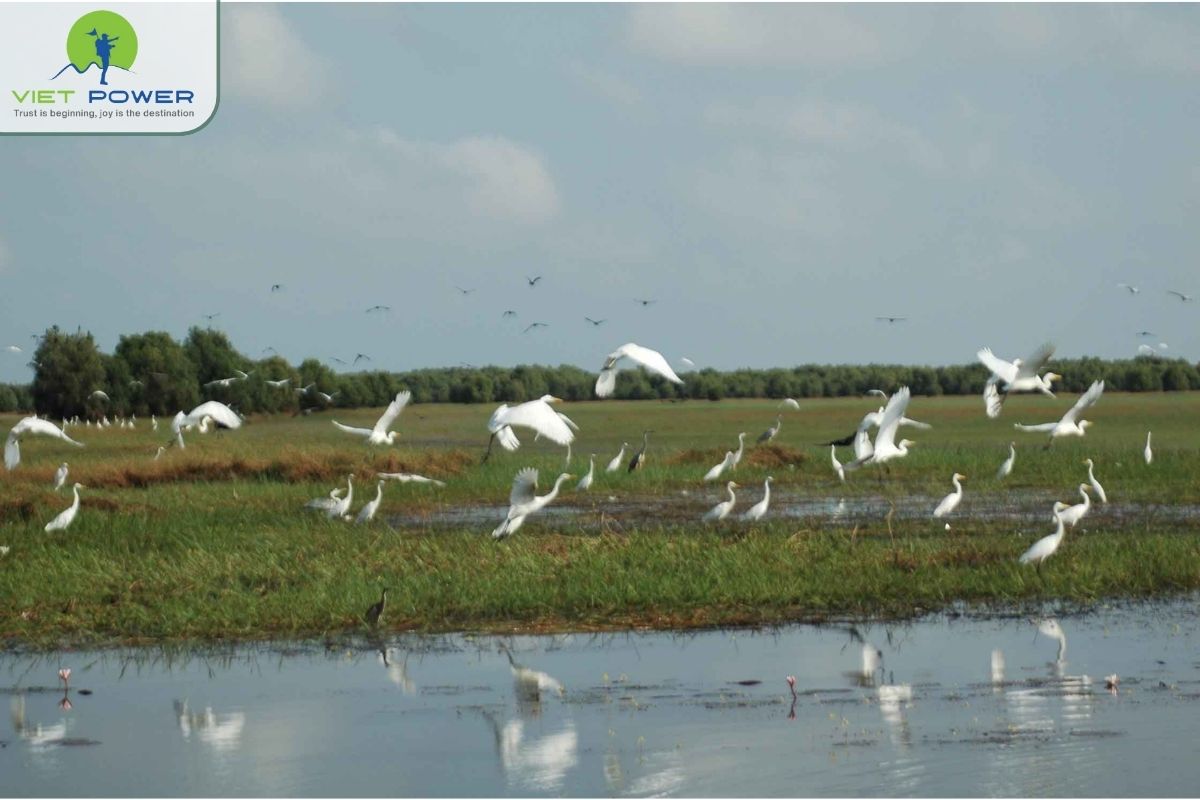
This area is known for its flooded grassland ecosystem, which is rare in modern Vietnam. Over time, agricultural expansion has reduced such habitats. However, Tram Chim preserves this ecosystem in its near-natural state.
Let’s continue exploring more about Vietnam and all the incredible places it has to offer. Visit our Vietnam tourist attractions category to discover in-depth guides, travel ideas, and hidden gems across the country.
The park lies in the vast Dong Thap Muoi, also known as the Plain of Reeds. In the past, this region was covered by wide wetlands and seasonal floodplains. However, human activities and farming have reduced most of these natural areas. As a result, only a few places still keep their original landscape, and Tram Chim National Park is one of the most important ones.
Tram Chim preserves a typical wetland ecosystem that once dominated the Mekong Delta. It includes flooded grasslands, canals, and natural habitats that change with the seasons. Because of this, the park reflects how nature worked in the past. At the same time, it shows how ecosystems can adapt to water cycles.
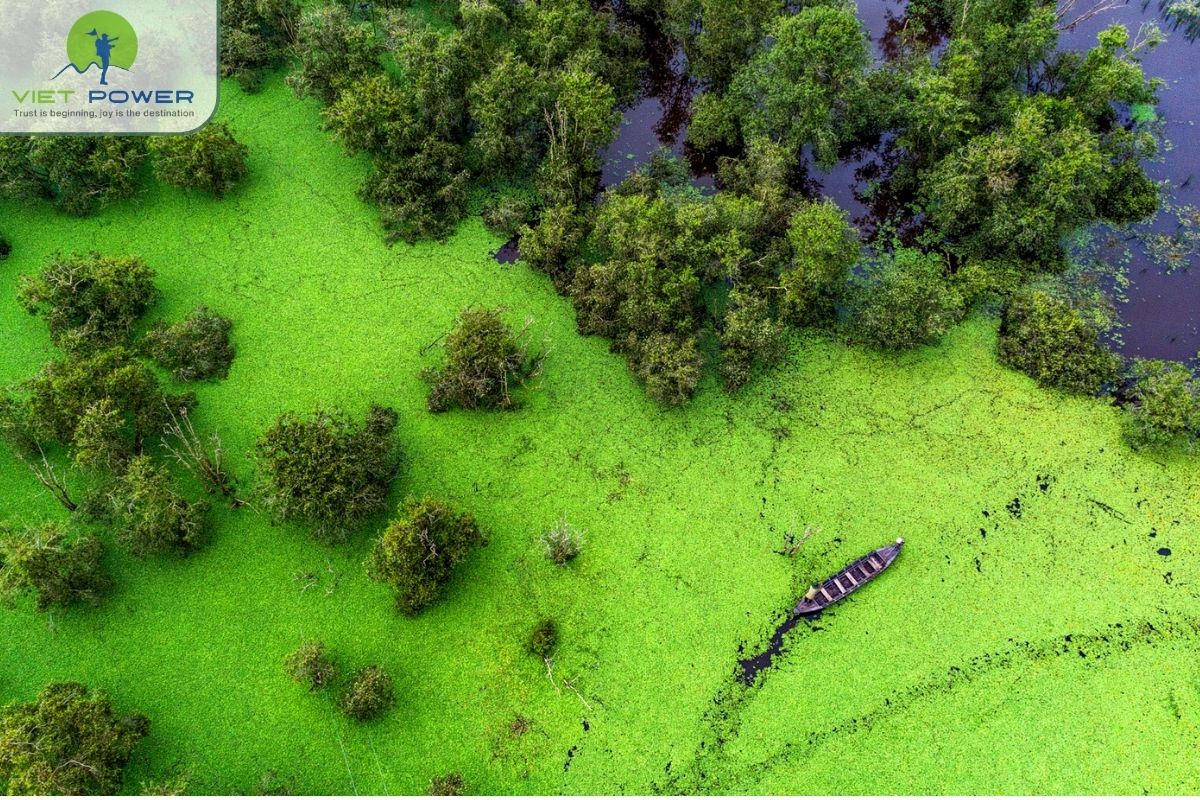
In addition, Tram Chim supports a rich variety of life. The park is home to hundreds of plant and animal species, including many rare birds. It also plays a key role in bird migration through Vietnam routes. Many migratory birds stop here to rest and find food. This makes the park an important ecological station in the region.
Tram Chim’s global recognition comes from its ecological value. It meets several criteria of the Ramsar Convention.
One of the key reasons for this recognition is its rare flooded grassland ecosystem. This system changes clearly with the seasons. During the rainy months, water spreads across large areas of the park. Then, in the dry season, the water recedes and grasslands appear.
This natural cycle creates a dynamic environment. It supports many types of plants and animals. At the same time, it allows species to adapt to changing conditions. For example, aquatic species thrive during floods, while birds depend on dry grasslands for feeding.
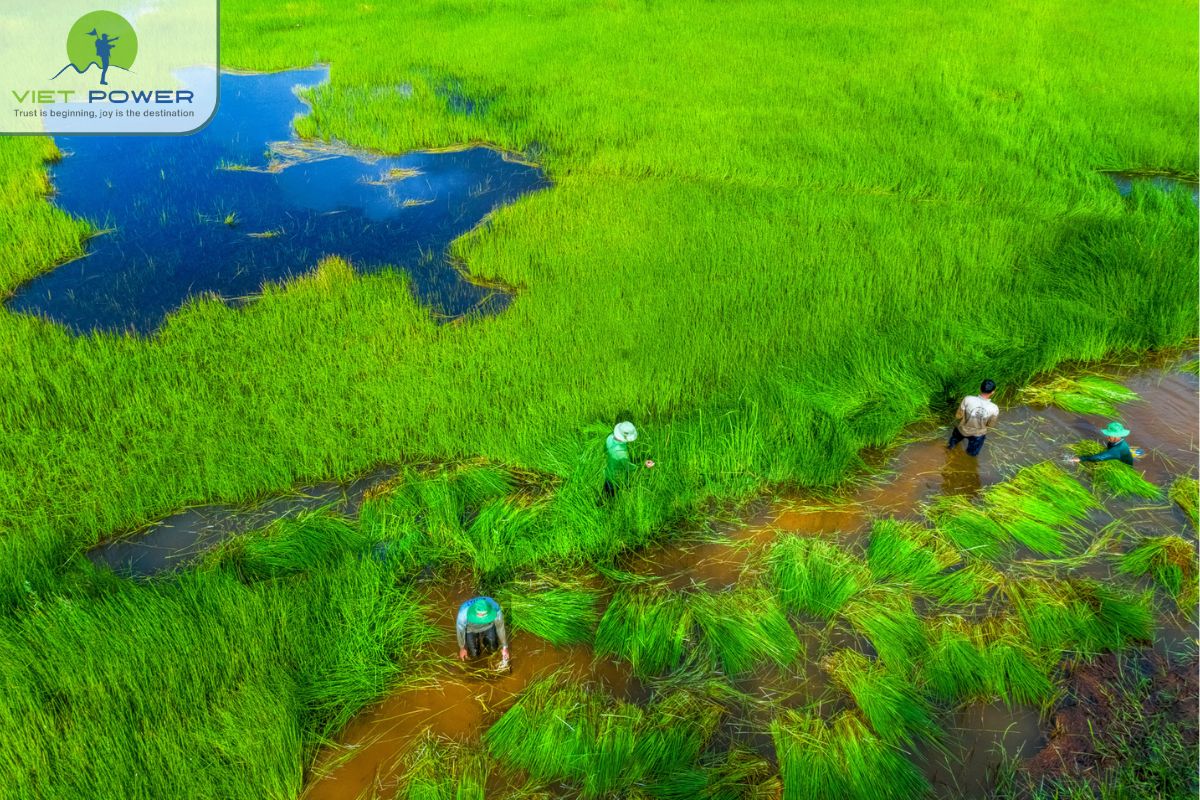
In addition, very few places in Vietnam still maintain this type of ecosystem. Many wetlands have disappeared due to farming and development. Therefore, Tram Chim plays an important role in preserving this natural model. It also helps scientists study how wetland ecosystems function and recover.
Tram Chim supports a rich and diverse ecosystem. The park is home to more than 200 bird species. Many of them migrate across Asia and stop here during seasonal journeys. As a result, the park plays a key role in bird migration through Vietnam routes.
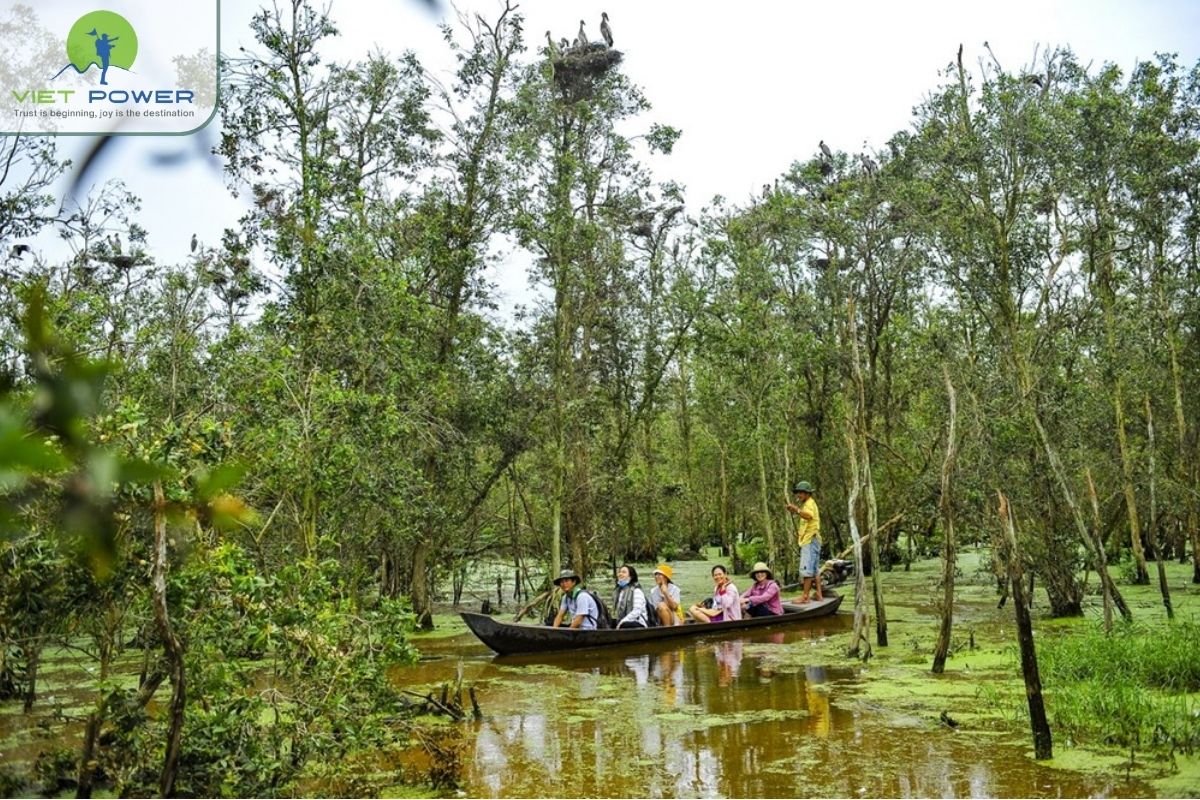
Besides birds, the park also supports fish, reptiles, and rare plant species. These species depend on the wetland for food and shelter. In particular, the seasonal flooding creates ideal conditions for breeding and growth.
Moreover, this high level of biodiversity meets several Ramsar criteria. It shows that the park has both regional and global importance. Therefore, experts officially recognize Tram Chim as a Ramsar wetland site in Vietnam.
This recognition not only highlights its value but also encourages stronger conservation efforts. It ensures that future generations can continue to benefit from this unique natural environment.
Let’s explore more posts on this topic to discover even more about Vietnam’s natural beauty:
One of the most important roles of Tram Chim is conserving endangered species. Among them, the red-crowned crane stands out.
One of the most valuable roles of Tram Chim is protecting the Red-crowned crane. This species is globally endangered and highly sensitive to environmental changes.
Tram Chim provides a safe feeding ground for these cranes. They rely on specific plants, especially Eleocharis grass, for food. Without this habitat, their survival would be at risk.
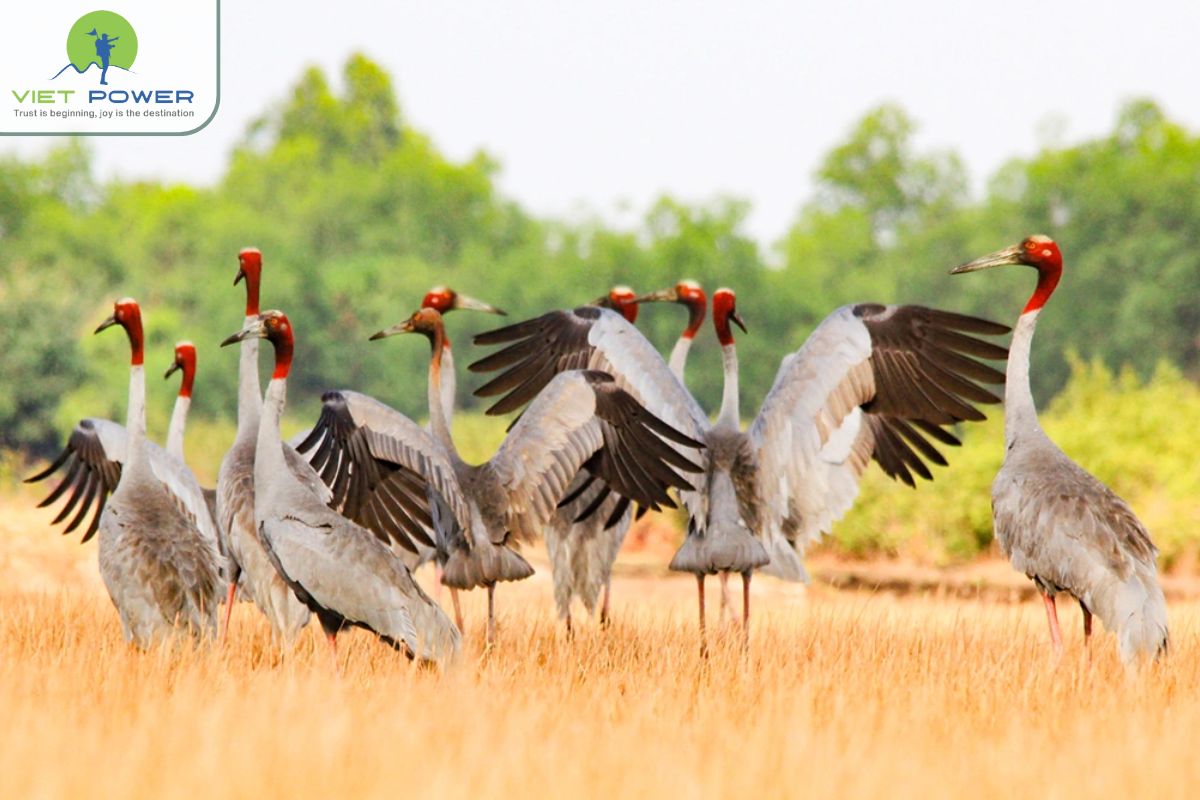
Over the years, conservation programs have focused on restoring the crane habitat. Water levels are carefully managed to support grass growth. In addition, human activities are controlled to reduce disturbances.
These efforts aim to bring cranes back in larger numbers. At the same time, they improve the overall health of the ecosystem. The crane is now seen as a symbol of conservation success in the park.

Dreaming of an unforgettable Vietnam adventure? Let Vietpower Travel build a personalized tour that brings your vision to life.
The natural flood cycle is the foundation of Tram Chim’s ecosystem. It shapes both the landscape and biodiversity.
Tram Chim’s ecosystem depends heavily on seasonal flooding. Each year, floodwaters from the Mekong River enter the park. This process usually lasts several months.
During this time, water levels rise and create a network of wetlands. Fish and aquatic species begin to reproduce. As a result, the ecosystem becomes highly productive.
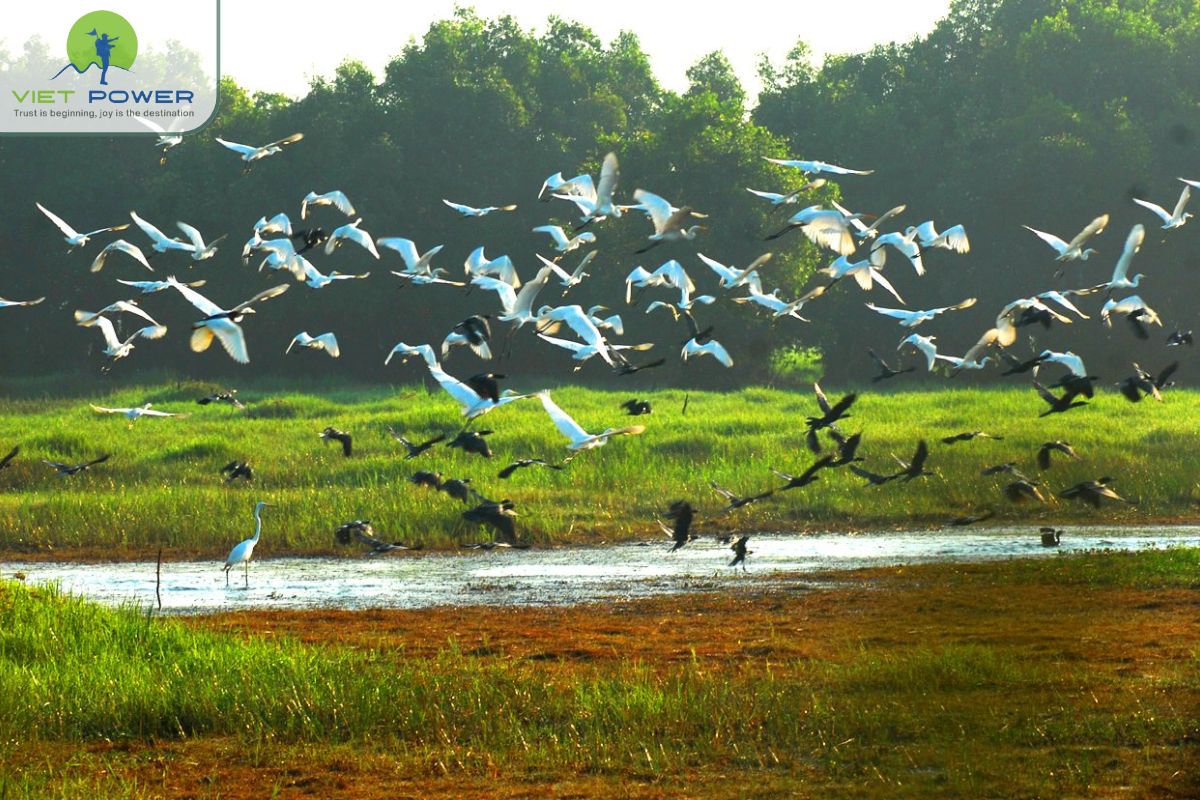
When the floodwaters recede, new grasslands appear. These areas provide food for birds, including cranes. Therefore, the flood cycle directly shapes the habitat.
Moreover, floods bring nutrients that enrich the soil. This supports plant growth and maintains biodiversity. Without this cycle, the ecosystem would quickly degrade.
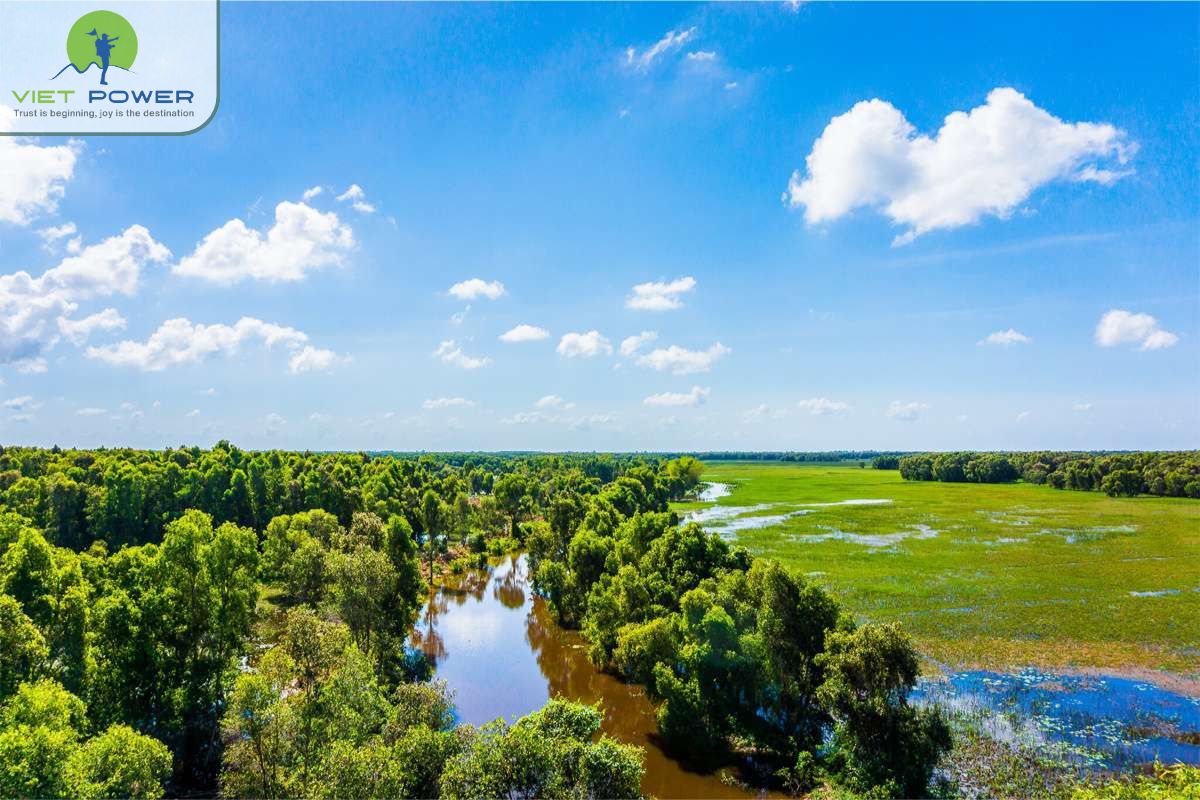
Dry season for crane watching: The best time to see red-crowned cranes is from February to May. During this period, water levels are low. Grasslands are exposed, creating ideal feeding conditions. As a result, cranes gather in the park. This is the highlight for many visitors.
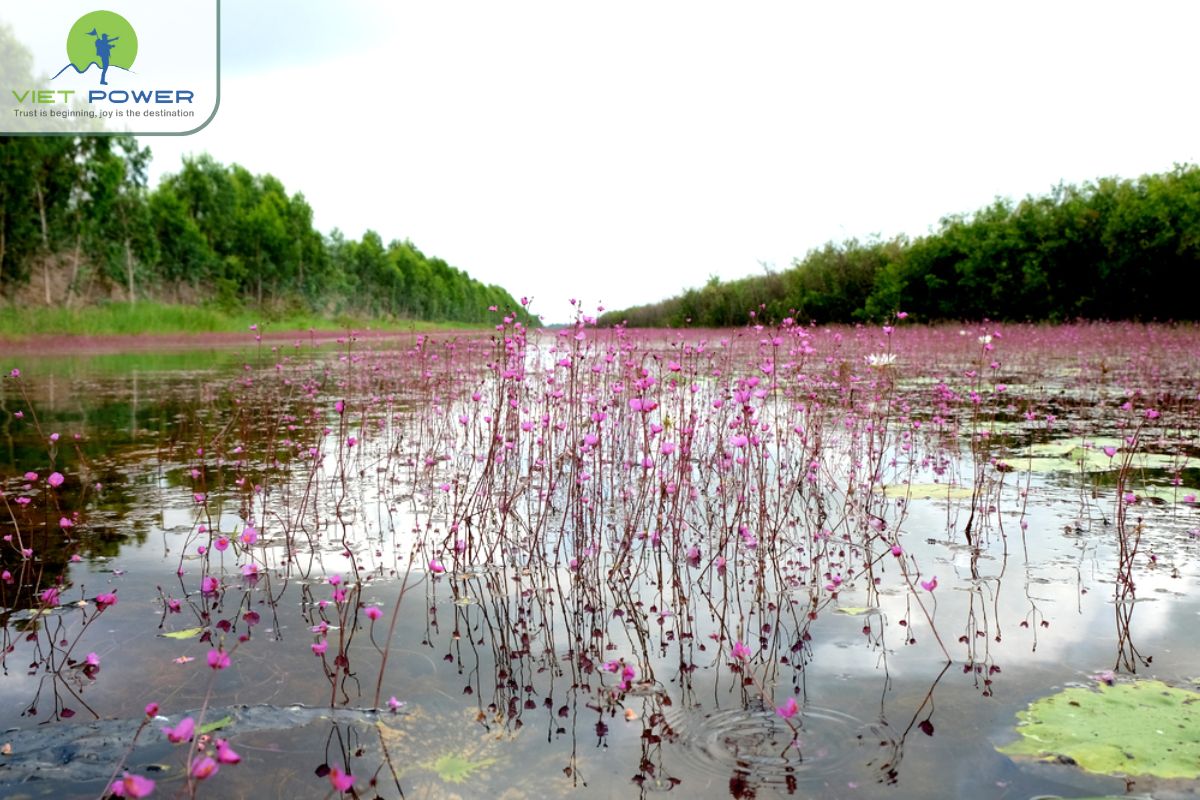
Flood season for overall biodiversity: From July to December, the park enters the flood season. Although cranes are less visible, other bird species thrive. The landscape becomes lush and vibrant. Therefore, each season offers a different experience. Visitors can choose based on their interests.
Continue exploring similar posts to learn more about Vietnam’s diverse landscapes and ecosystems:
Tram Chim offers more than beautiful scenery. It provides meaningful experiences that connect visitors with nature.
Tram Chim is a paradise for bird lovers. Visitors can observe storks, herons, and many migratory species. Birdwatching is especially popular during sunrise and sunset.
In addition, boat tours allow travelers to explore the flooded landscape. Moving through canals, visitors can enjoy peaceful scenery and diverse wildlife.
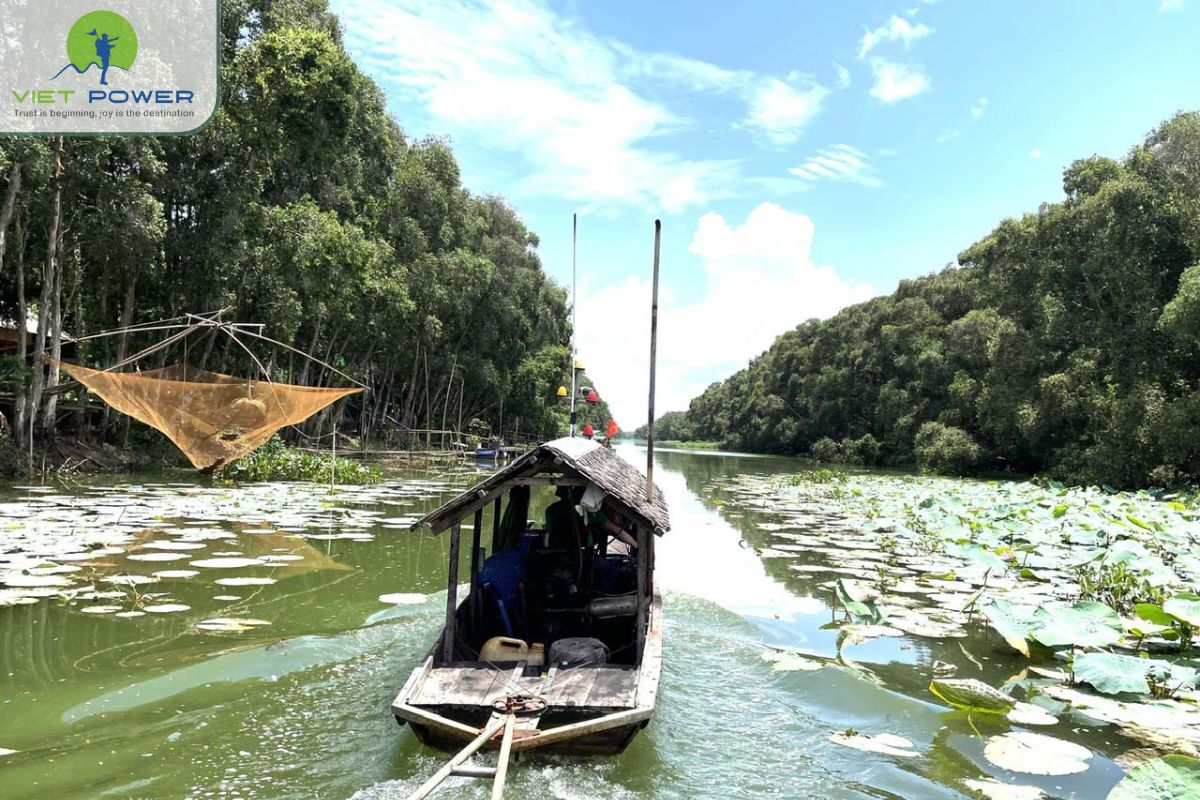
Besides sightseeing, visitors can join local activities. These include traditional fishing or harvesting wild rice. Such experiences provide insight into the local way of life.
More importantly, tourism here follows a conservation model. Visitors learn about environmental protection while supporting local communities. This makes Tram Chim a leading example of conservation tourism in Vietnam.
Tram Chim National Park is often compared with Tra Su Cajuput Forest. However, these two destinations offer very different experiences. Each place has its own landscape, ecosystem, and travel style. Therefore, the choice depends on what you want to explore.
Tram Chim features open wetlands and flooded grasslands. Water levels change with the seasons, so the scenery also changes throughout the year.
During the flood season, the park becomes a vast water landscape. In the dry season, grasslands appear and attract many bird species. Because of this, Tram Chim clearly represents a Ramsar wetland site in Vietnam with natural ecological processes.
In contrast, Tra Su is known for its dense Melaleuca forest. Tall cajuput trees grow closely together, and canals run through the forest. As a result, the area feels green, quiet, and shaded. Visitors often travel by boat under a canopy of trees. This creates a peaceful and relaxing atmosphere.
These differences shape the overall experience. Tram Chim feels wide, open, and wild. Meanwhile, Tra Su feels enclosed and calm. Therefore, Tram Chim suits travelers who enjoy natural ecosystems, while Tra Su fits those who prefer scenic landscapes.
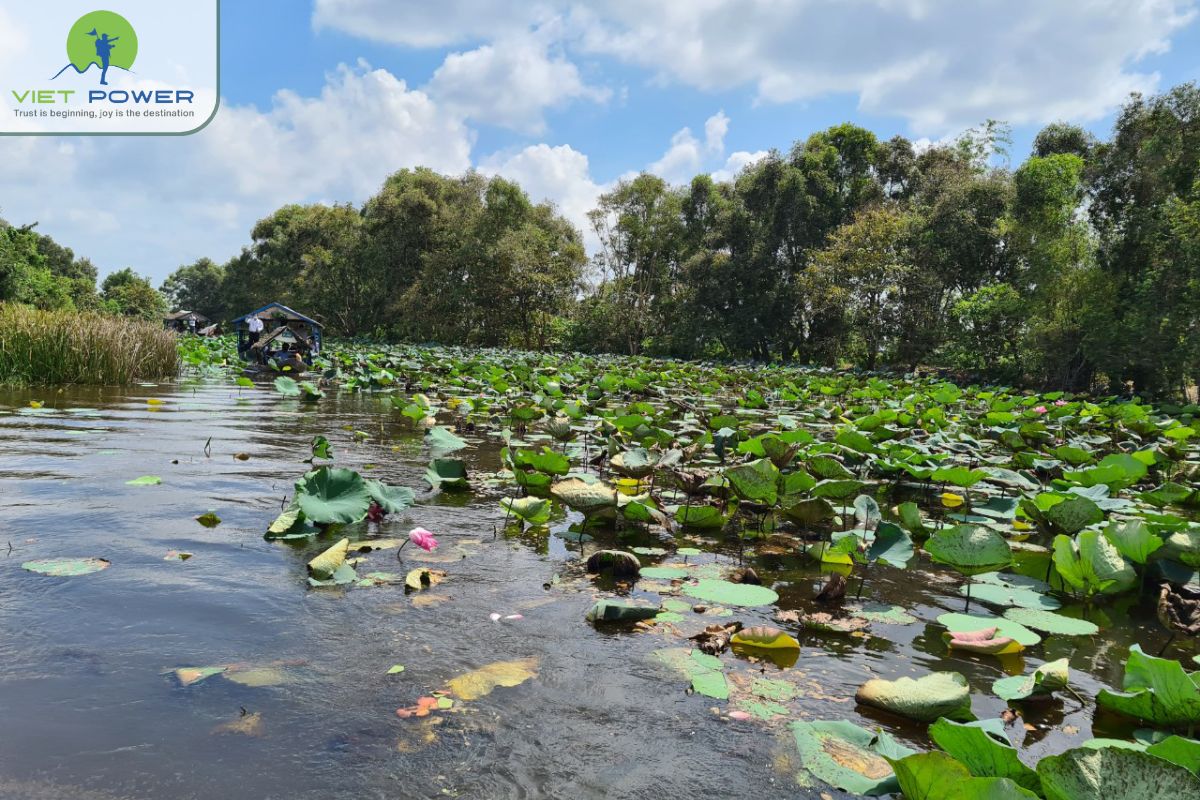
Tram Chim focuses strongly on conservation and scientific research. Park managers protect habitats and monitor wildlife carefully. In addition, they control tourism activities to reduce environmental impact. Because of this, the park keeps its natural condition and ecological value.
As a recognized Ramsar wetland site in Vietnam, Tram Chim also plays an important role in environmental education. Visitors can learn about wetlands, bird migration, and conservation efforts. This makes the experience more meaningful and informative.
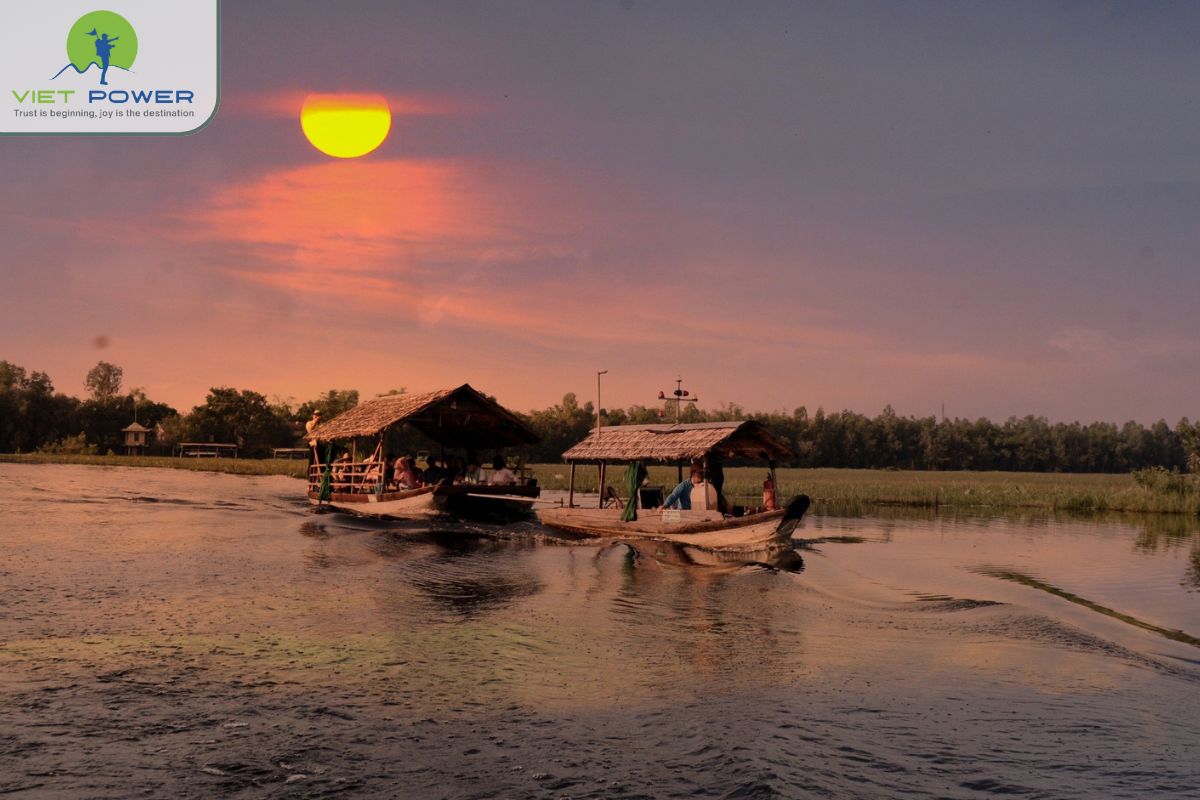
Meanwhile, Tra Su focuses more on tourism development. The site offers well-organized boat tours, viewing towers, and photo spots. These services make it easy for visitors to explore and enjoy the scenery. As a result, Tra Su attracts many tourists who look for convenience and beautiful views.
Both places are worth visiting. However, Tram Chim offers deeper ecological significance and educational value.
Tram Chim National Park stands out as a true natural treasure of Vietnam. As a Ramsar wetland site in Vietnam, it protects biodiversity, supports bird migration, and preserves a rare flooded grassland ecosystem. It is also a vital habitat for the endangered red-crowned crane.
Beyond its ecological importance, Tram Chim offers meaningful travel experiences. Visitors can explore nature, learn about conservation, and connect with local culture. Each season brings a new perspective, making every visit unique.
Plan your trip today and discover one of Vietnam’s most remarkable wetlands. Let Vietpower Travel guide you through an unforgettable journey into nature in Mekong Delta.
Please kindly send us your ideas about the tours: destinations, attractions, your group, hotel class... we will get back to you with details & best offers quickly. Surely, you will feel satisfactory!
 |
 |
 |
 |
 |
 |

.jpg) Customize Your Trip
Customize Your Trip
 Vietnam Tours
 Thailand Tours
 Laos Tours
 Indonesia Tours
 Cambodia Tours
 Myanmar Tours