Vietnam is a dream destination for outdoor lovers searching for diverse landscapes and authentic travel experiences. From towering mountains and terraced valleys to jungle paths and limestone caves, trekking routes in Vietnam offer unforgettable adventures for every type of traveler. Whether you enjoy challenging mountain climbs or peaceful nature walks, the country’s varied terrain provides endless opportunities to explore scenic landscapes and remote communities.
However, planning a trekking adventure requires reliable information and local expertise. Weather conditions vary by region, while some trails demand permits or experienced guides. Travelers often struggle to choose the right route and prepare safely. With professional support from Vietpower Travel, visitors can explore the best trekking routes in Vietnam with confidence. Carefully designed itineraries, knowledgeable guides and personalized travel services help ensure safe, rewarding and memorable journeys across the country.
Vietnam’s geography stretches from rugged northern mountains to tropical forests and coastal plains. This diversity creates an ideal environment for adventure travel, hiking routes and nature trails. As a result, trekking routes in Vietnam attract beginners, experienced hikers and international explorers alike.
Vietnam offers diverse landscapes. These include terraced rice fields, karst plateaus, dense jungles, and limestone caves. Additionally, many trekking areas connect with ethnic minority villages. This creates strong cultural experiences alongside nature adventures. Because of varied terrain, Vietnam suits beginners and experienced hikers
Diverse Landscapes and Trekking Experiences: Each region presents a unique trekking environment. Northern Vietnam is famous for high peaks, rice terraces and ethnic minority villages. Central Vietnam offers jungle trails and cave exploration within protected national parks. Meanwhile, areas near major cities provide accessible nature escapes for short adventures.
Fansipan in Sapa challenges experienced climbers with steep ridges and changing weather conditions. Ha Giang’s karst plateau delivers dramatic limestone scenery and remote cultural encounters. Phong Nha National Park reveals underground rivers and lush forests. Together, these landscapes make trekking routes in Vietnam remarkably diverse.
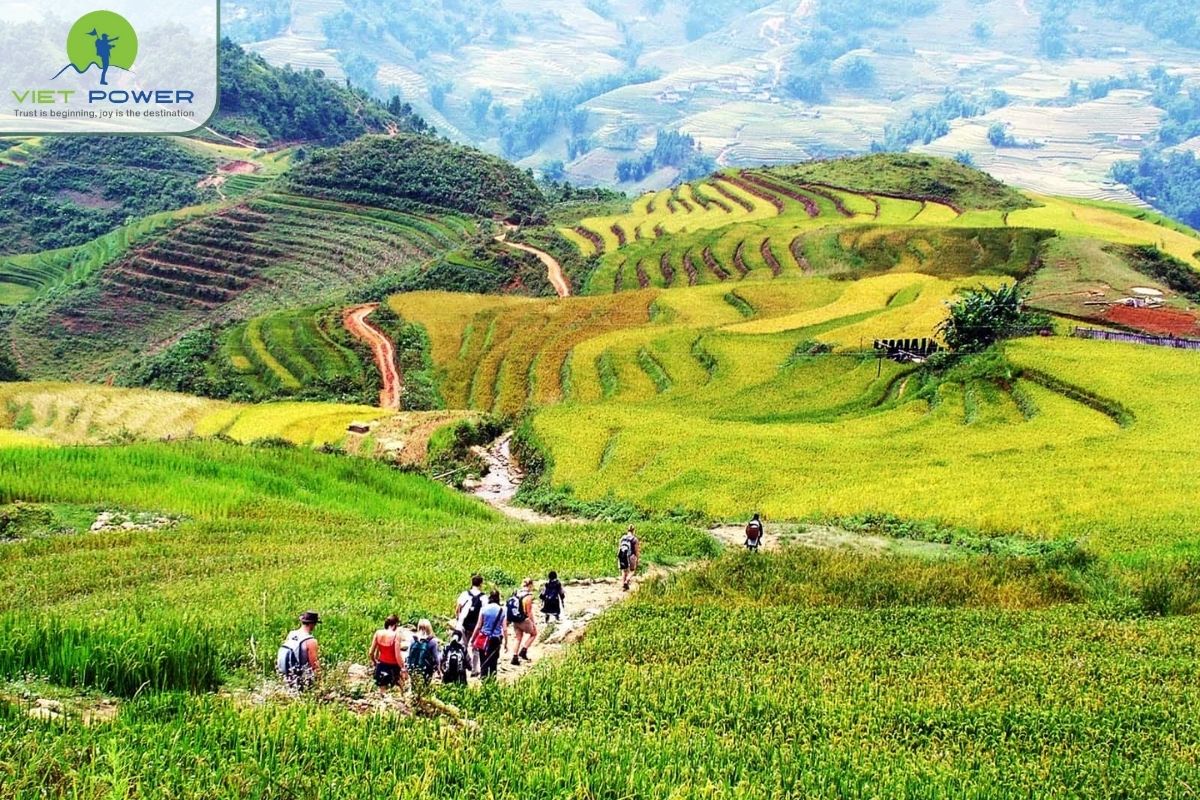
Cultural Connections Along the Trails: Trekking in Vietnam is not only about nature. Many routes pass through villages where traditional lifestyles remain strong. Travelers often stay in local homestays, share meals with families and learn about regional customs. Cultural interaction adds depth and meaning to the trekking experience.
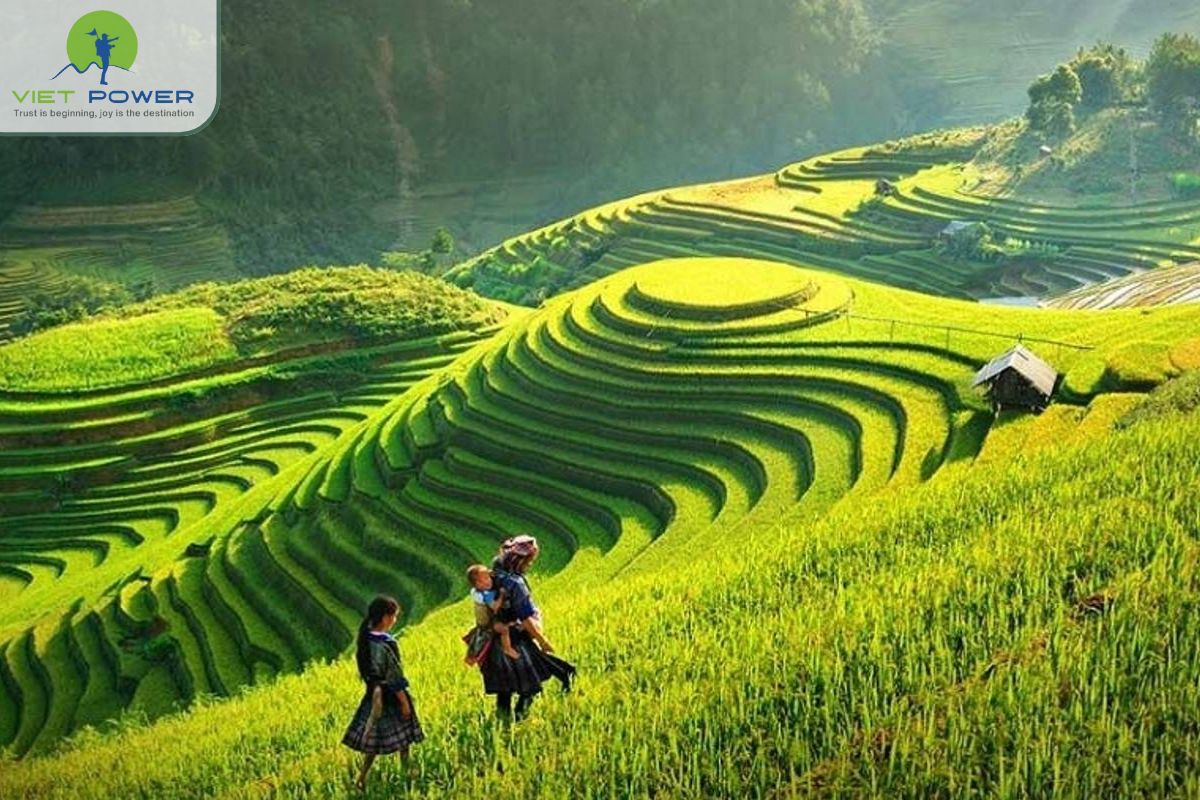
In Sapa, hikers meet H’Mong and Dao communities while walking through rice terraces. In Ha Giang, remote villages offer insights into mountain life and traditional farming practices. These encounters transform trekking routes in Vietnam into journeys of cultural discovery as well as physical adventure.
Vietnam offers mountain trekking, nature walks, cave expeditions, and village hikes. Some routes focus on scenic landscapes. Others emphasize cultural encounters or adventure exploration.This variety allows travelers to choose between relaxed hikes or challenging expedition.
Let’s continue exploring more about Vietnam and its stunning natural scenery. Visit our Vietnam nature category to discover national parks, mountains, beaches, and breathtaking landscapes across the country.
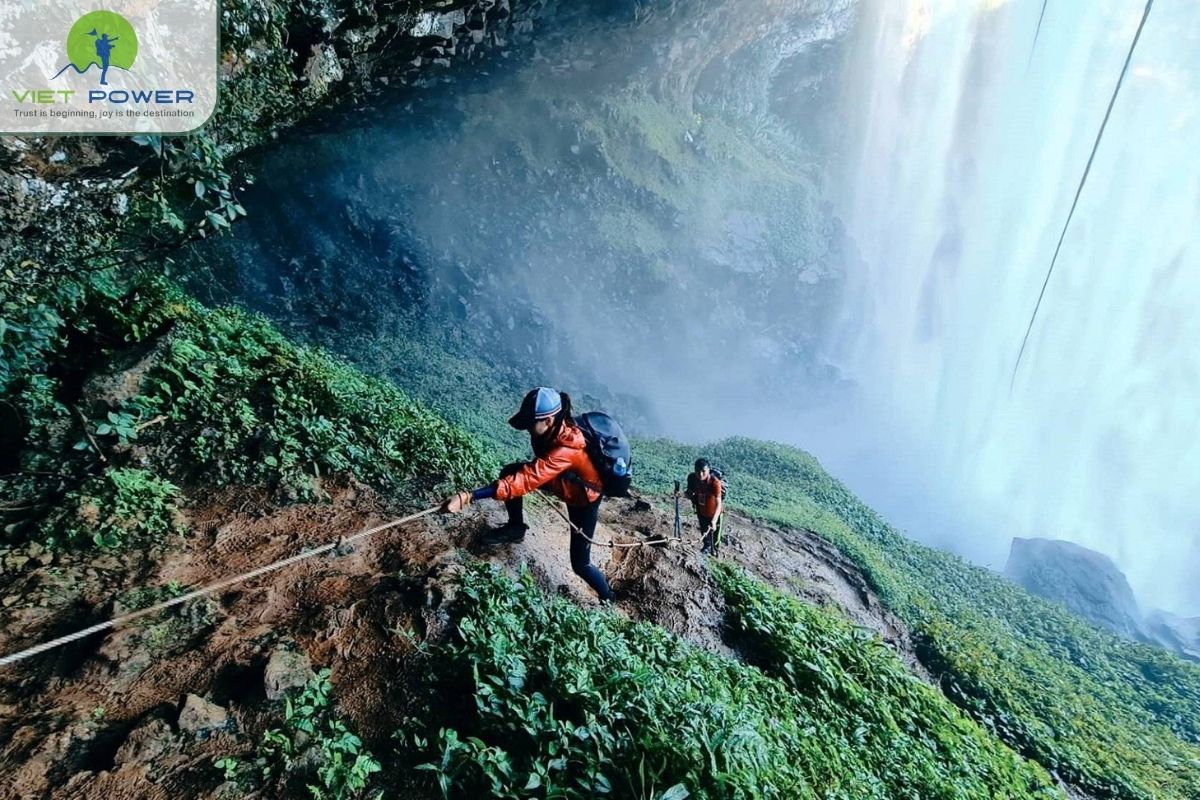
Vietnam’s most popular trekking destinations combine scenic beauty with exciting challenges. Each route offers different landscapes, difficulty levels and cultural experiences. Choosing the right location helps travelers match their fitness level and adventure goals.
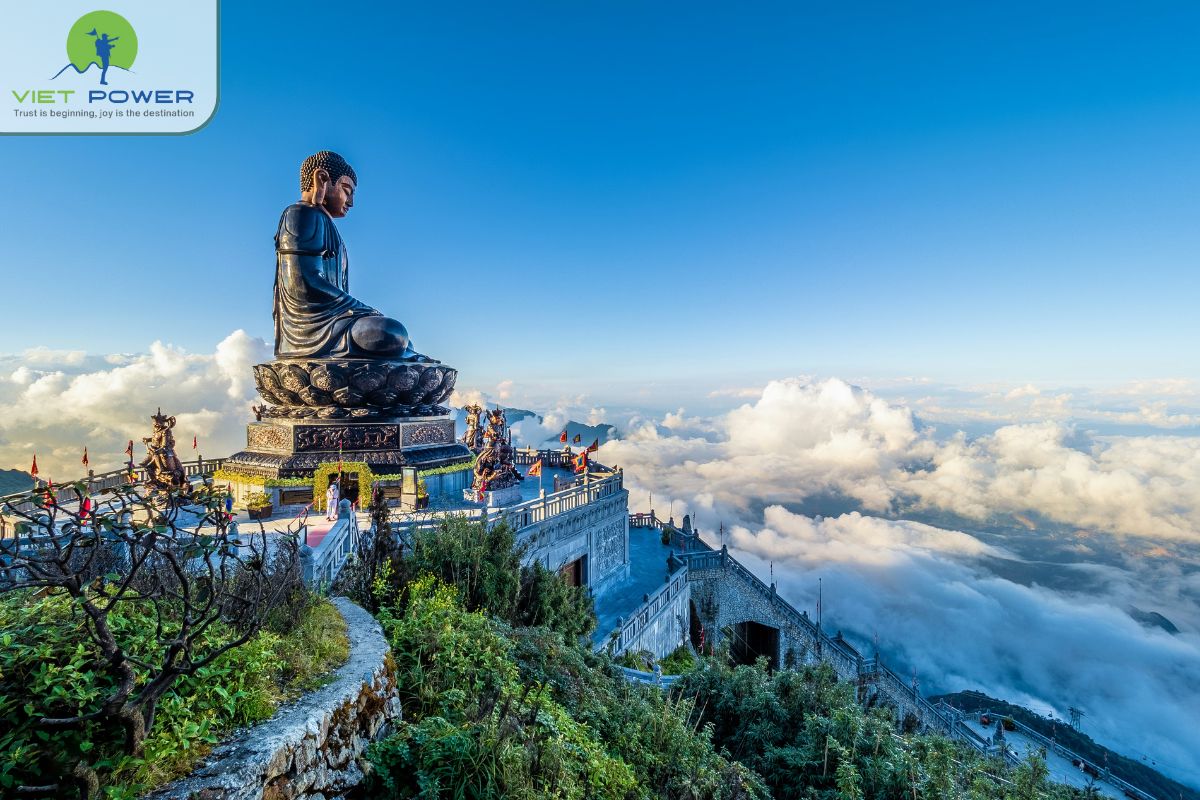
Fansipan, famous as the “Roof of Indochina,” rises 3,147 meters above sea level. It stands as one of the most challenging trekking routes in Vietnam. Trails pass through dense forests, steep slopes and cloud-covered mountain ridges. Multi-day treks are common, allowing hikers to experience dramatic scenery and changing ecosystems.
Weather conditions on Fansipan can shift quickly. Therefore, proper equipment and strong physical fitness are essential. Many travelers choose guided tours to ensure safety and navigation. Reaching the summit rewards trekkers with panoramic views across the Hoang Lien Son mountain range.
Read a full review of Fansipan Trekking from Vietpower Travel!
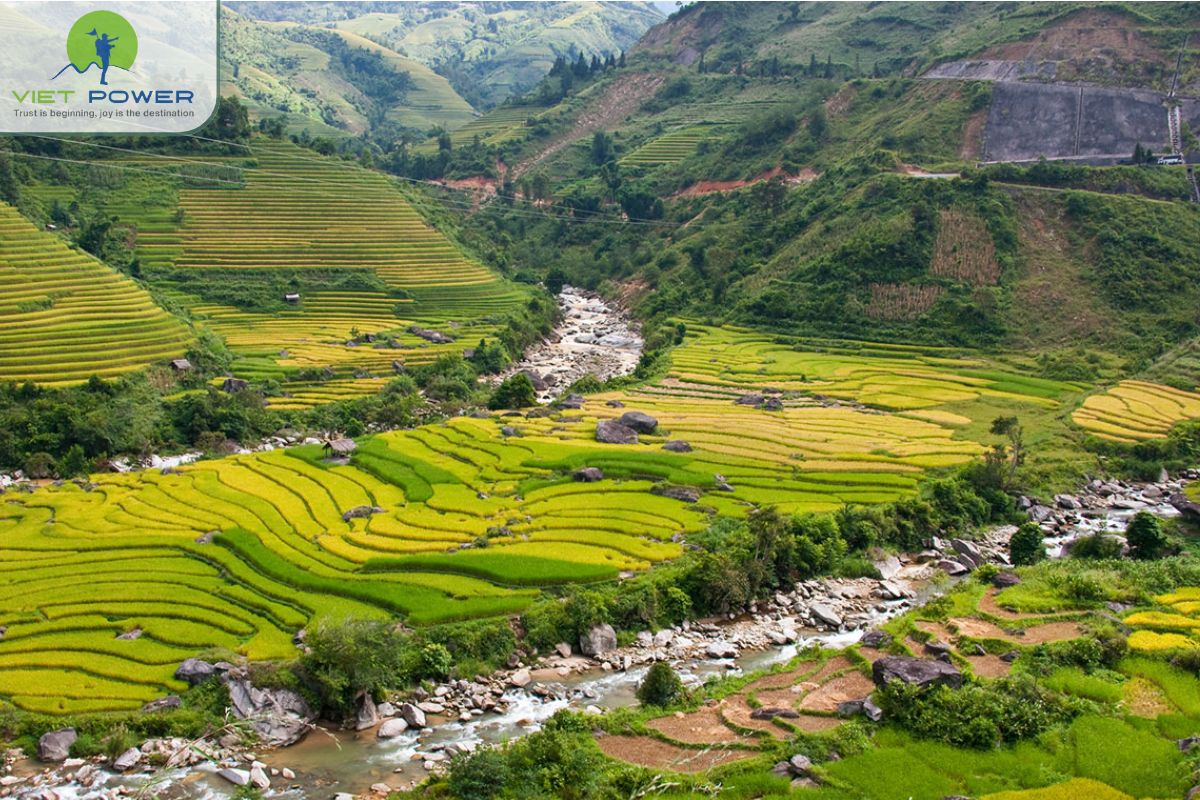
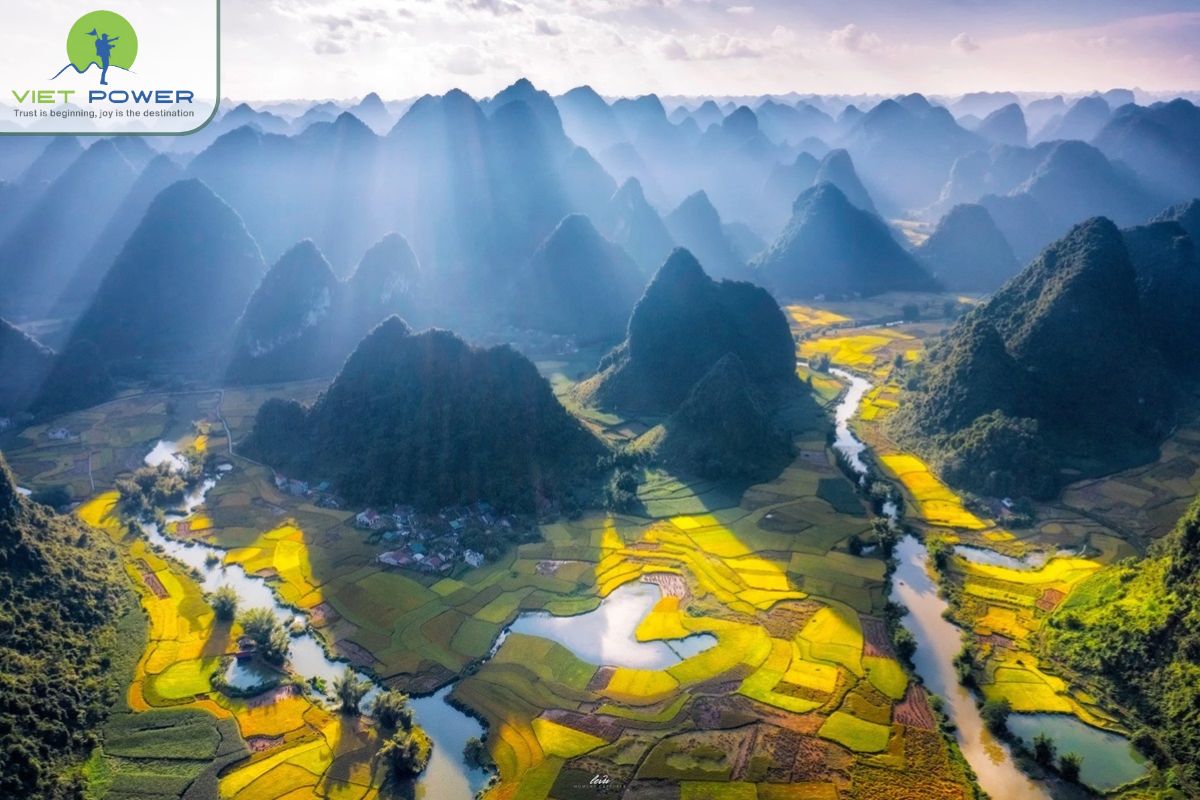
Located in Ha Giang province, the Dong Van Karst Plateau is a UNESCO Global Geopark. Its limestone formations create dramatic valleys and winding mountain passes. Trekking routes here provide a raw and authentic adventure experience.
Trails often connect remote villages and scenic viewpoints along rugged terrain. Hikers encounter breathtaking landscapes and vibrant local cultures. Compared to more touristy areas, Dong Van feels wild and authentic. Trails range from moderate to difficult, making it suitable for experienced hikers. Adventure travelers often combine trekking with motorbike exploration along Ma Pi Leng Pass.
Here is the full review of Dong Van Karst Plateau trekking!
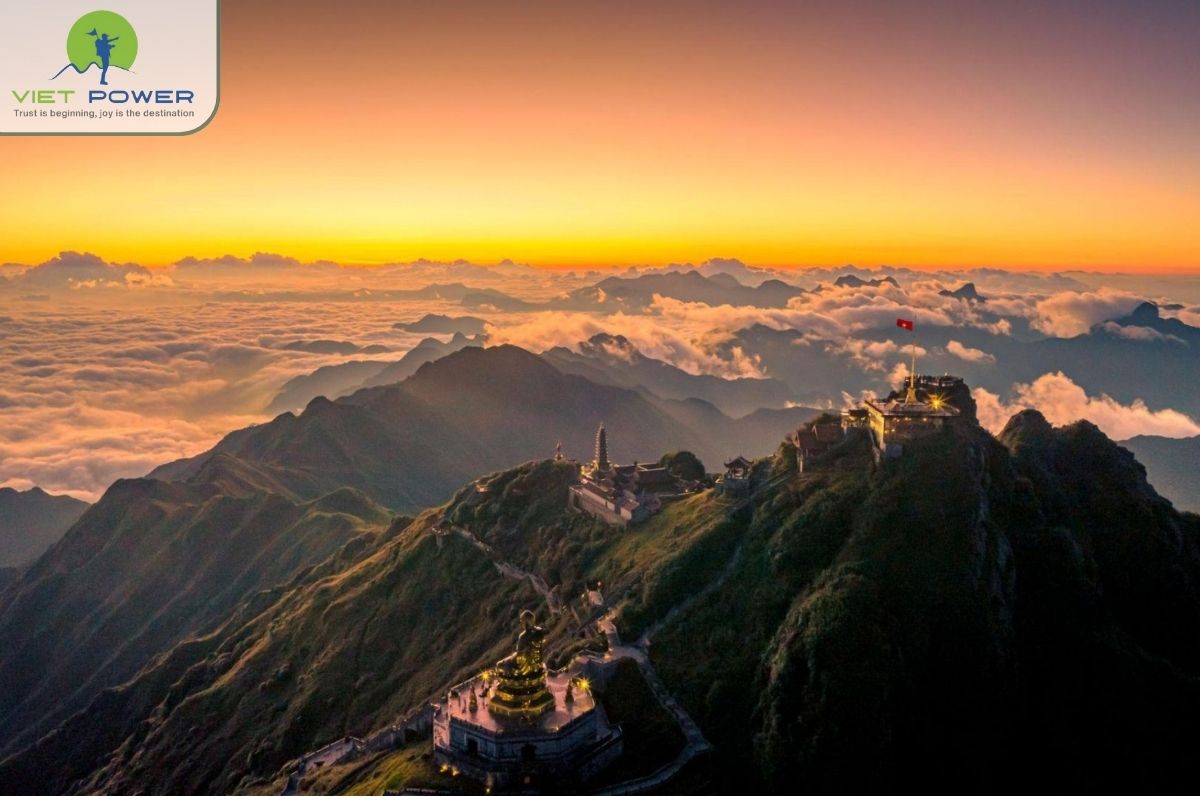
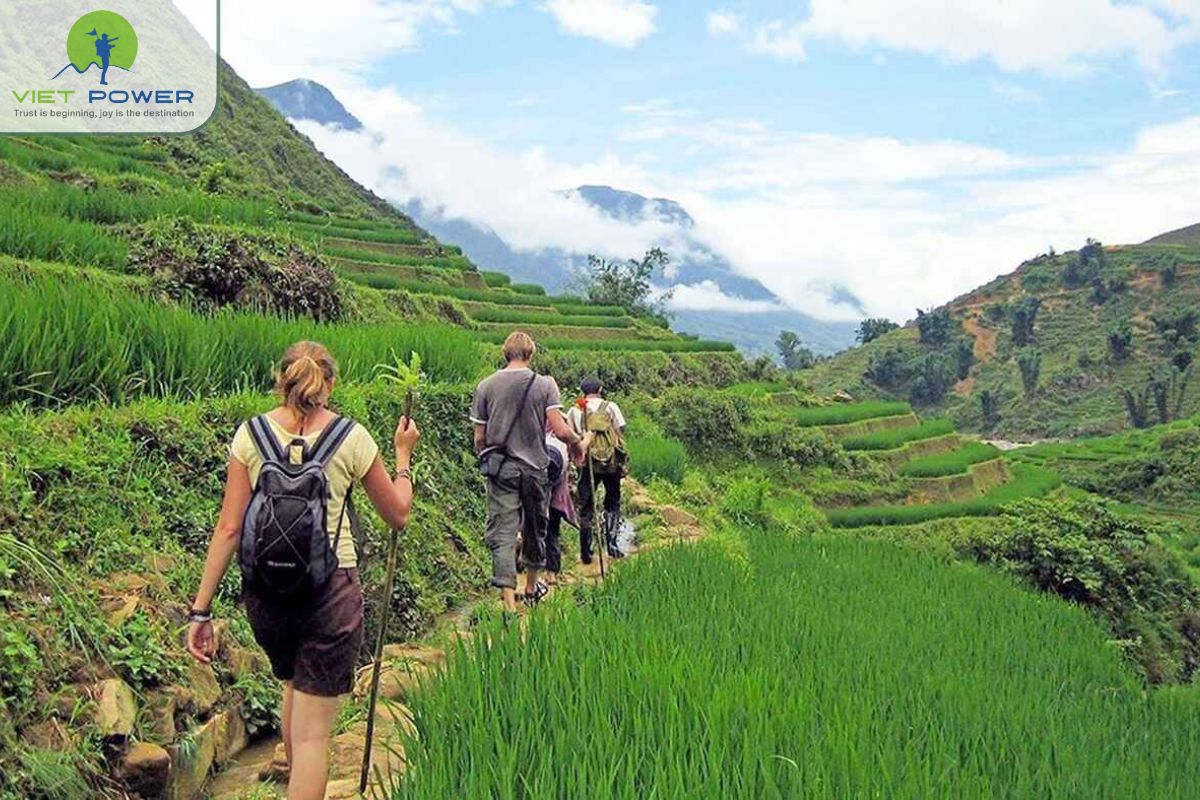
Ta Van village lies in the Muong Hoa Valley near Sapa. The area offers accessible trekking routes suitable for beginners and intermediate hikers. Popular trails connect villages such as Y Linh Ho, Lao Chai and Ta Van.
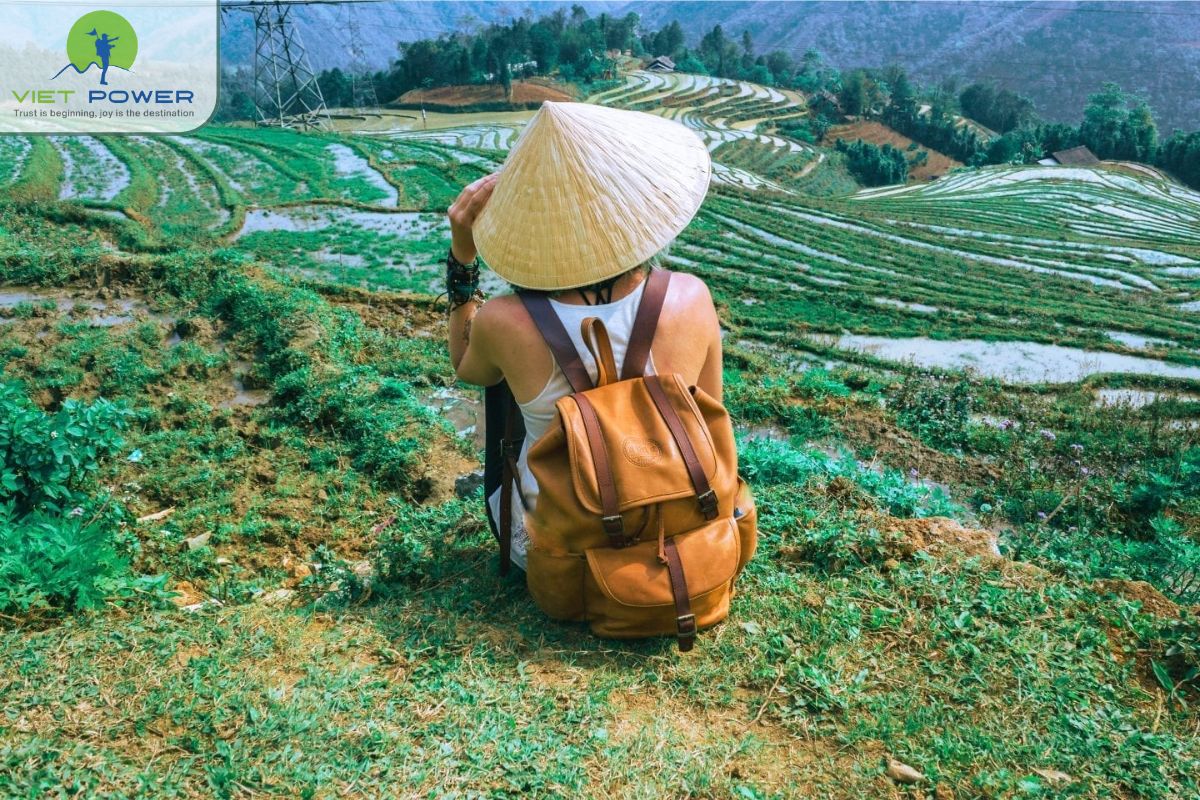
Hikers walk through terraced rice fields, bamboo forests and peaceful countryside scenes. Homestay experiences allow travelers to connect with local families and traditional lifestyles. Ta Van trekking provides a balance between cultural immersion and natural beauty, making it one of the most popular hiking routes in Vietnam.
Find more information about Ta Van Trekking here with Vietpower Travel!
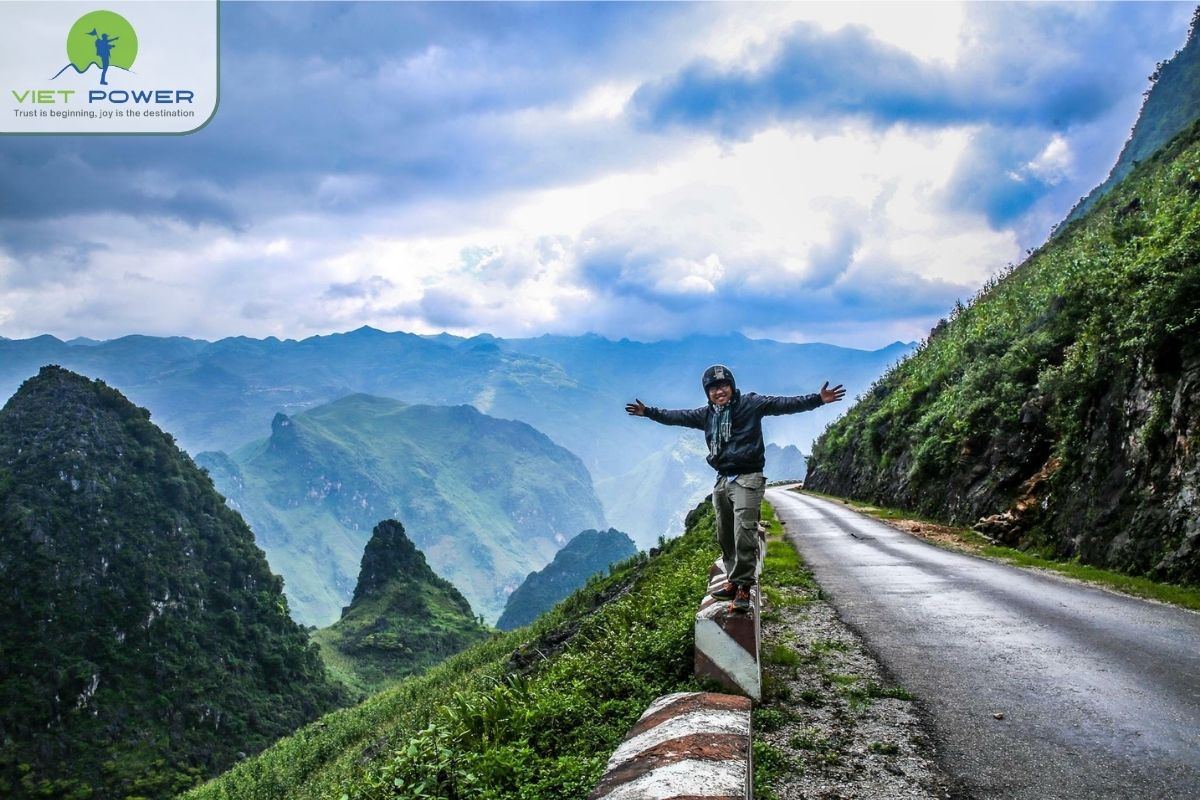
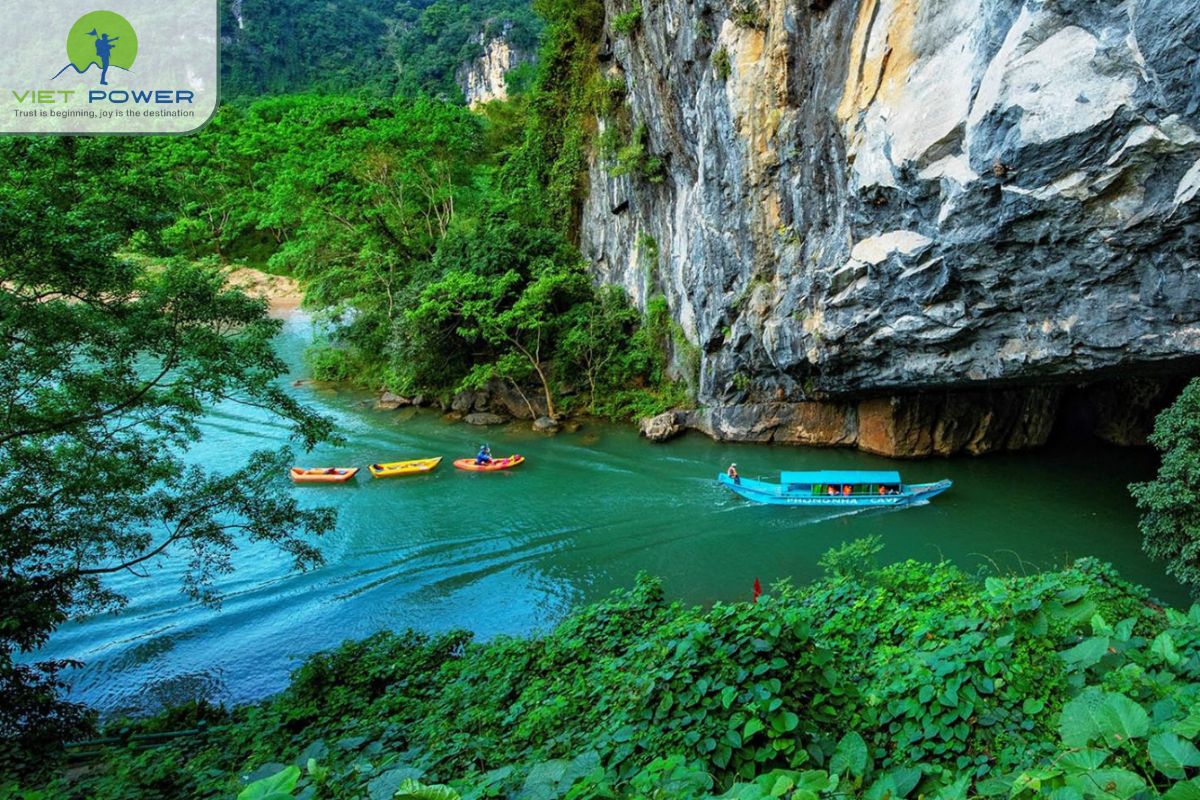
Phong Nha – Ke Bang National Park is famous for its vast cave systems and dense tropical forests. Trekking routes here combine jungle hiking with underground exploration. Adventurers may cross rivers, climb rocky passages and explore hidden caves.
Guided tours are required in many areas due to conservation rules and safety considerations. However, the experience is truly unique. Despite the challenges, the region offers some of the most unique adventure travel opportunities among trekking routes in Vietnam.
Detail review of Phong Nha trekking from our guide!
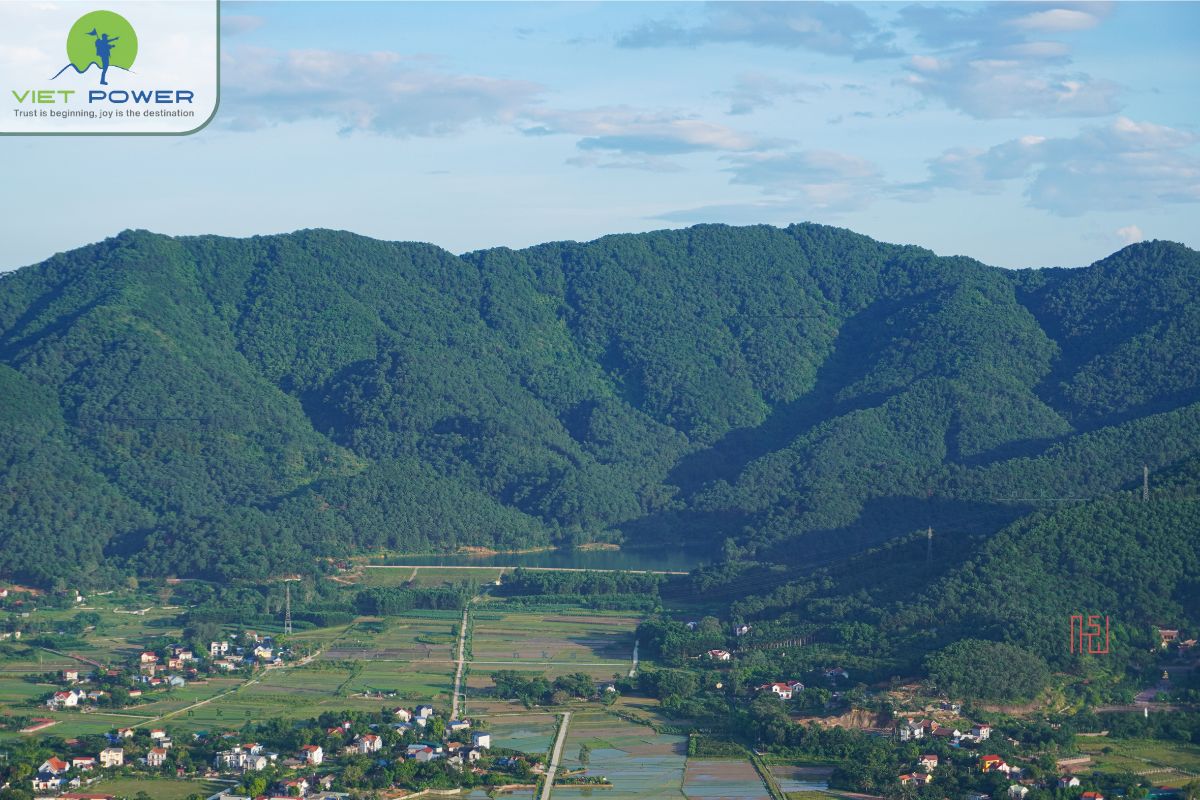
Ham Lon Mountain provides a beginner-friendly trekking option close to Hanoi. The trail passes through pine forests and scenic viewpoints overlooking nearby lakes. Although less demanding than major mountain climbs, it offers a refreshing nature escape.
Many local travelers visit Ham Lon for weekend hikes and camping trips. Its accessibility makes it ideal for beginners who want to experience trekking routes in Vietnam without long travel times or technical challenges.
This post provide what you need to prepare before trekking to Ham Lon Mount!
Successful trekking experiences depend on careful planning and understanding local conditions. Weather, terrain and safety requirements vary widely across Vietnam. Knowing the best regions, seasons and travel practices helps ensure an enjoyable adventure.
Northern Vietnam remains the country’s most famous trekking destination. Sapa offers cultural hikes and scenic mountain views. Ha Giang delivers dramatic karst landscapes and remote villages. Meanwhile, Phong Nha in central Vietnam combines jungle trekking with cave exploration.
Travelers seeking easy routes may choose village treks or short mountain hikes. Experienced hikers often pursue multi-day mountain expeditions or challenging jungle adventures. This variety ensures that trekking routes in Vietnam suit different travel styles.
Seasonal weather significantly influences trekking conditions. Northern Vietnam is best visited during spring and autumn, when temperatures are mild and rainfall is lower. These seasons provide clear views and comfortable hiking environments.
Central Vietnam trekking is ideal during the dry months from early year through late summer. Southern regions experience pleasant trekking conditions during the dry season from December to April. Travelers should avoid heavy monsoon periods, as muddy trails increase difficulty and safety risks.
Do Travelers Need Guides? Some trekking routes in Vietnam require permits or official guides, especially within national parks and protected areas. Even when not mandatory, hiring a local guide enhances safety and cultural understanding.
Guides help navigate unfamiliar terrain and manage logistics such as meals, accommodation and transportation. Professional support also reduces risks associated with remote travel. Many visitors choose organized tours for convenience and peace of mind.
Is trekking possible during the rainy season? Yes, but travelers should expect slippery trails and limited visibility. Flash floods may affect mountainous regions. Therefore, experienced guides and flexible travel plans are strongly recommended.
Proper preparation makes trekking safer and more enjoyable. Packing appropriate equipment and understanding health considerations help prevent common travel problems.
Sturdy hiking boots provide stability on uneven terrain. Lightweight, moisture-wicking clothing keeps trekkers comfortable during long hikes. Layered outfits help adjust to changing temperatures, especially in mountainous areas.
A waterproof jacket protects against sudden rain. Trekkers should carry enough water, snacks and navigation tools. Sunscreen, hats and insect repellent are also essential, particularly for jungle routes and sunny mountain trails.
Carrying a basic first aid kit helps manage minor injuries. Trekkers should stay hydrated and maintain a steady pace to avoid exhaustion. Altitude awareness is important when climbing higher mountains like Fansipan.
Respect for local communities and natural environments is equally important. Staying on marked trails prevents ecological damage. Following park regulations ensures sustainable tourism and preserves trekking routes in Vietnam for future visitors.
Is trekking in Vietnam safe for solo travelers? Many popular routes are safe when booked with reputable tour operators. However, solo trekking in remote mountains can be risky. Weather changes and navigation challenges make guided tours a safer option.
Professional travel operators simplify complex logistics. Companies such as Vietpower Travel provide experienced guides, safe transport and detailed itinerary planning. Their local knowledge ensures that travelers choose suitable routes and avoid common mistakes.
Customized tours allow visitors to match trekking difficulty with personal interests. Organized services also help arrange permits and cultural experiences. With expert support, travelers can fully enjoy the beauty of trekking routes in Vietnam without unnecessary stress.
Do trekkers need permits for certain routes? Some protected areas require permits or official tour bookings. National parks and conservation zones may restrict independent trekking. Travel agencies often arrange these permits as part of organized tours.
Trekking routes in Vietnam offer incredible opportunities to explore mountains, forests and cultural landscapes. From challenging climbs on Fansipan to peaceful village trails in Ta Van, each destination reveals a different side of the country. The Dong Van Karst Plateau provides dramatic scenery and remote adventure, while Phong Nha delivers unforgettable jungle and cave exploration. Even beginner-friendly hikes near Hanoi allow travelers to experience Vietnam’s natural beauty.
If you are ready to explore scenic landscapes, nature trails and mountain adventures, now is the perfect time to start planning. Contact Vietpower Travel today to discover customized trekking routes in Vietnam and begin an unforgettable adventure filled with discovery, culture and breathtaking views.
Please kindly send us your ideas about the tours: destinations, attractions, your group, hotel class... we will get back to you with details & best offers quickly. Surely, you will feel satisfactory!
 |
 |
 |
 |
 |
 |

.jpg) Customize Your Trip
Customize Your Trip
 Vietnam Tours
 Thailand Tours
 Laos Tours
 Indonesia Tours
 Cambodia Tours
 Myanmar Tours