The Vietnam Fine Arts Museum is one of the best places in Hanoi for travelers who want a clearer view of Vietnamese art and culture. Located in the city center, the museum brings together traditional and modern works in a calm, well-organized setting. From lacquer paintings and silk paintings to folk art, sculpture, and ceramics, it gives visitors a broad look at how Vietnamese artistic expression has developed over time.
For travelers planning a cultural trip in Hanoi, Vietpower Travel can help turn a museum visit into a more complete experience. As a trusted Vietnam tour operator, Vietpower Travel connects places like the Vietnam Fine Arts Museum with other major cultural highlights, helping visitors enjoy a smoother and more meaningful journey through Hanoi and beyond.
The Vietnam Fine Arts Museum is one of Hanoi’s most valuable cultural sites, known for its rich collections and central location. Before exploring its artworks and visitor experience, it is helpful to start with the museum’s location and why it is easy to include in a Hanoi itinerary.
The Vietnam Fine Arts Museum is located at 66 Nguyen Thai Hoc Street, Ba Dinh District, Hanoi. This address places the museum in one of the capital’s best-known cultural and historical areas, where many major landmarks stand close to one another.
The Vietnam Fine Arts Museum is in central Hanoi, so getting there is quite easy. If you are staying in the Old Quarter, Hoan Kiem area, or Ba Dinh, the travel time is usually short.
|
|
|
|
|
|
|
|
|
|
|
|
|
|
|
|
|
|
|
|
|
|
|
|
|
|
|
|
|
|
The Vietnam Fine Arts Museum has a ticket price that is easy for most travelers to plan for. The standard adult ticket is 40,000 VND. The museum also offers lower prices for students and children, so it is a practical stop for families and school-age visitors.
If you want more explanation during your visit, you can use the iMuseum VFA audio guide. There is also a guided tour service for groups, which is helpful if you want clearer background on the collections and major works.
|
|
|
|
|
|
|
|
|
|
|
|
|
|
|
|
|
|
The museum usually opens from 8:30 AM to 5:00 PM, and it is closed on Monday. This schedule makes it easy to include in a morning or afternoon Hanoi sightseeing plan.
If you prefer a quiet museum experience, the best time to visit is usually:
These hours are often calmer than the middle of the day. They are a better fit for travelers who want to enjoy this Hanoi art museum at a slower pace.
Most visitors need around 2 to 3 hours for a satisfying visit. This gives you enough time to see the main galleries, follow the museum’s historical layout, and enjoy a quiet museum experience without rushing.
If you have a tight schedule, a 1 to 1.5 hour visit is enough to see the main highlights and get a general feel for the museum. This works well for travelers combining the museum with other Hanoi cultural attractions on the same day.
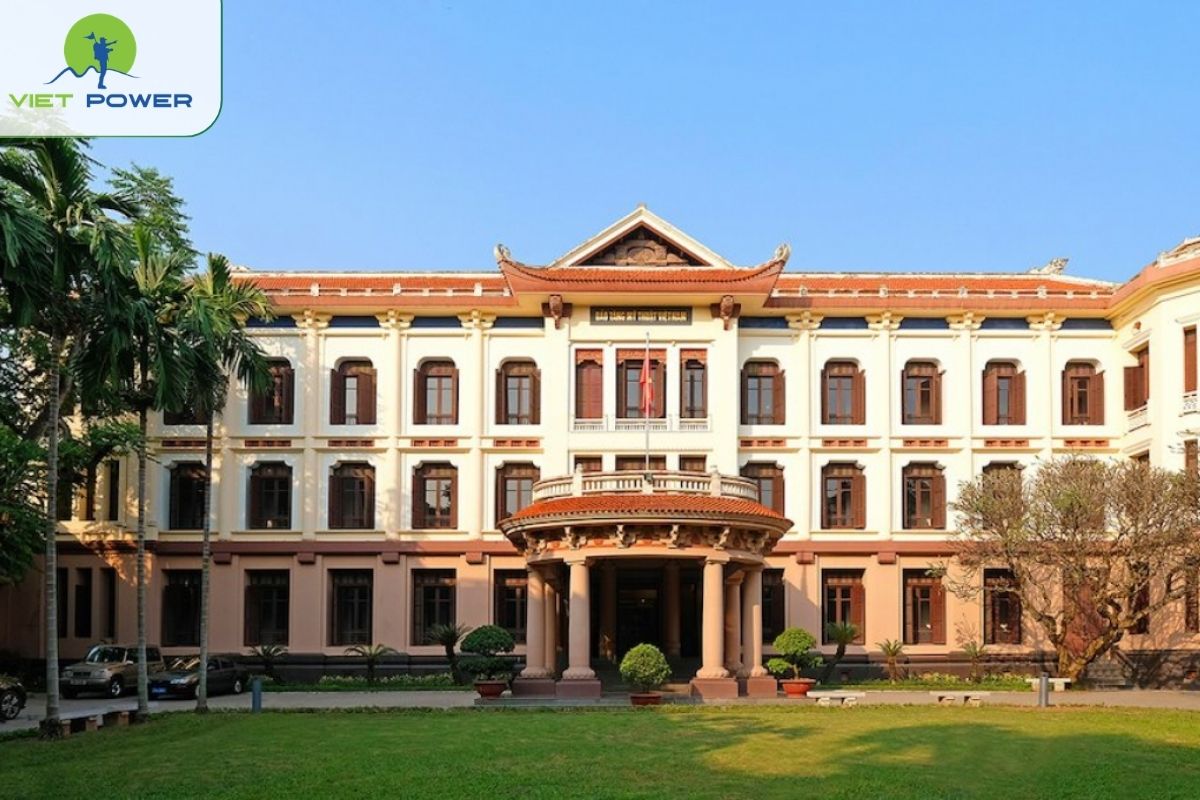
Museums offer one of the clearest ways to understand Vietnam beyond scenery and food. They give travelers the background behind famous landmarks, explain how different regions developed, and bring together history, art, royal heritage, and local traditions in a way that is easy to follow. For anyone planning a cultural trip, adding a Museum in Vietnam to the itinerary can make other Vietnam Tourist Attractions feel more meaningful.
The time needed to visit the museum depends on your interest in art and culture. Most travelers can explore the main collections within a few hours, while those who prefer a deeper experience may stay longer.
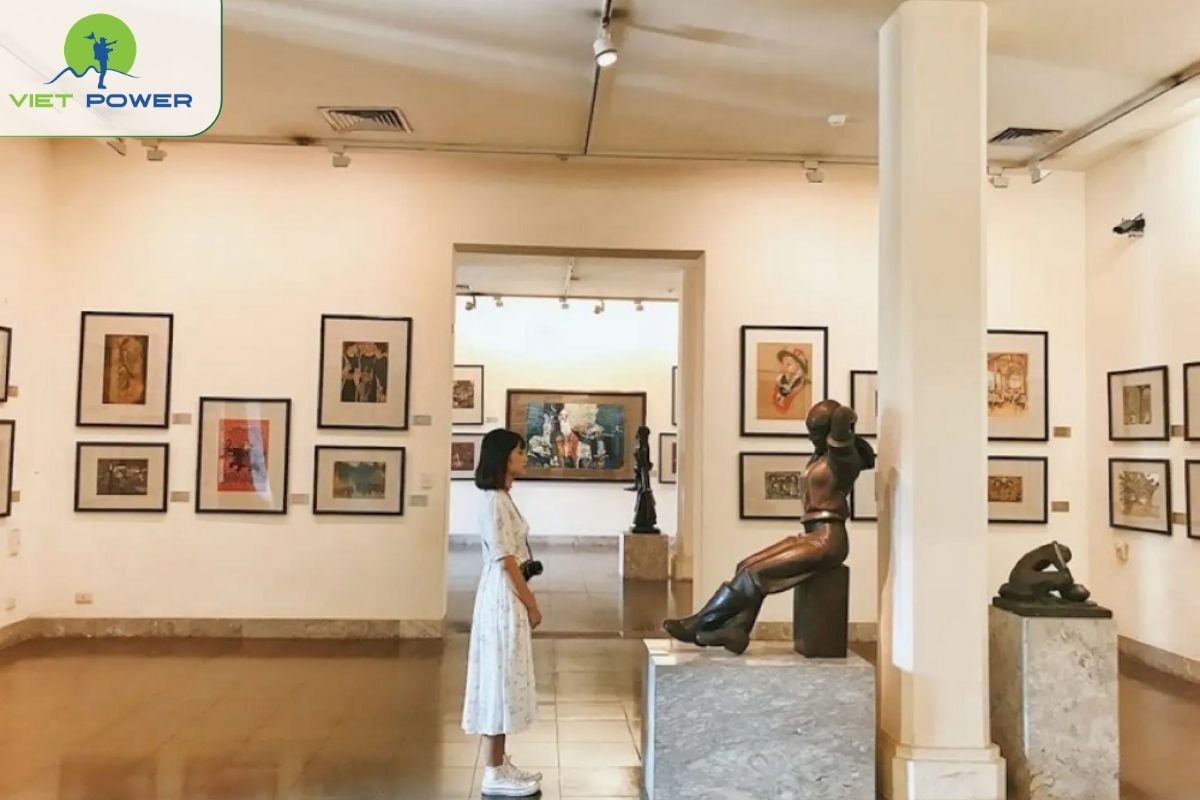
The museum presents Vietnamese art in a clear historical flow through specific, remarkable masterpieces. In the prehistoric and early historical sections, visitors can explore iconic Dong Son bronze drums, such as the renowned Ngoc Lu drum, which features intricate geometric patterns and depictions of ancient daily life.
The galleries covering the 11th to 19th centuries highlight exquisite Ly dynasty celadon ceramics and masterfully carved Buddhist wooden sculptures, most notably the towering 17th-century Thousand-armed and Thousand-eyed Guan Yin statue.
Finally, the 20th-century and contemporary exhibits bring modern history to life through pioneering works from the Indochina School of Fine Arts, including Tô Ngọc Vân’s celebrated painting Young Woman with Lily and intricate traditional lacquer art.
This specific, curated progression makes it easy to understand how Vietnamese visual culture developed over time.
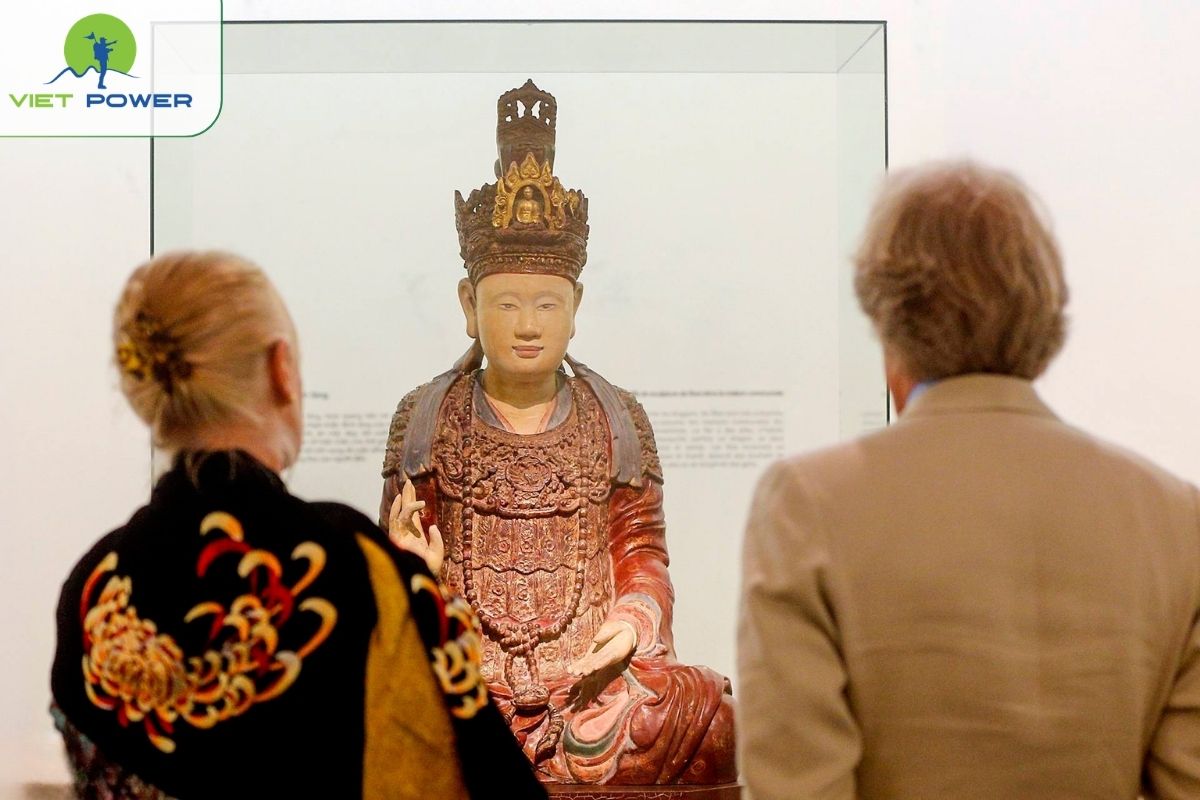
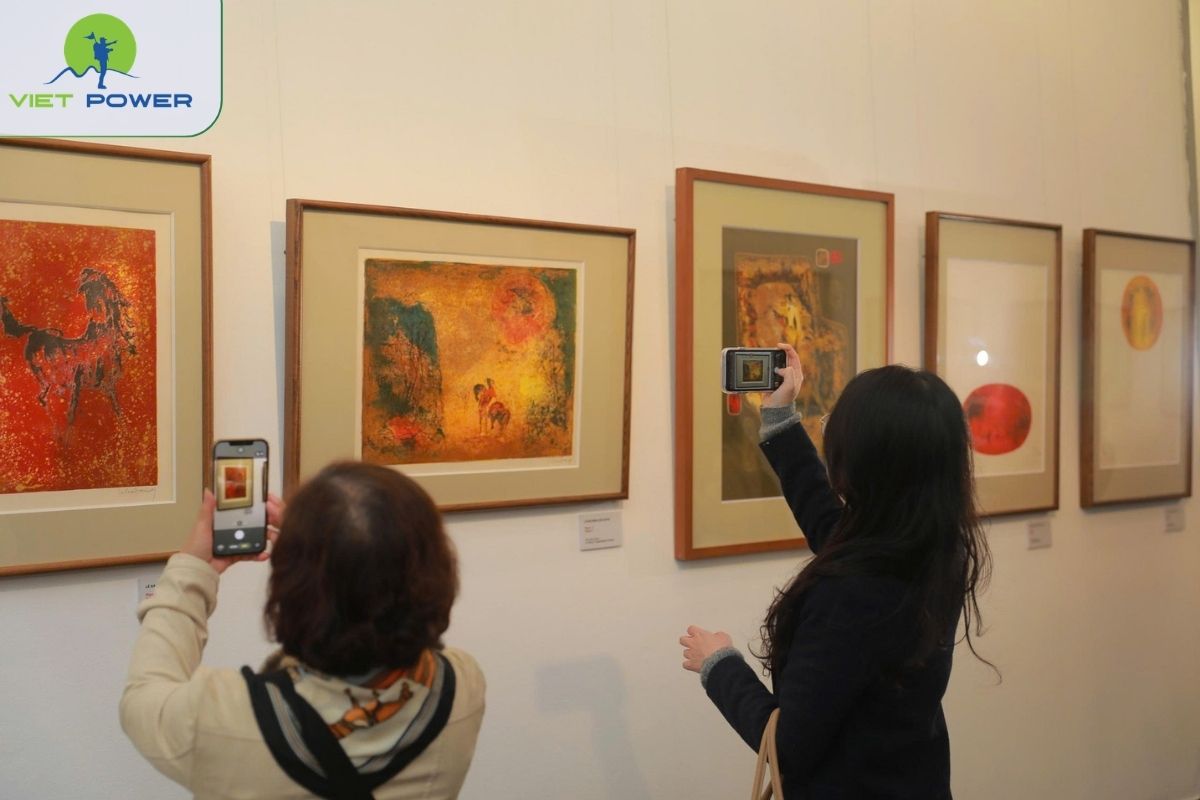
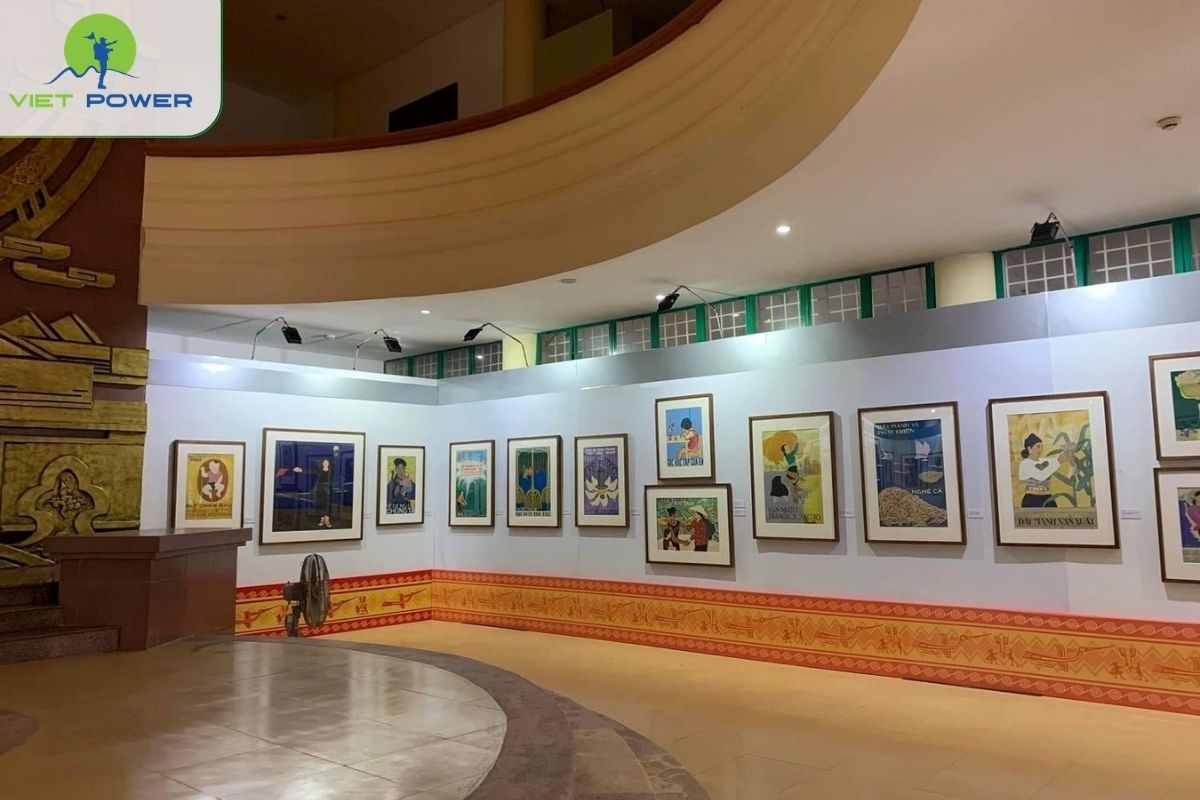
The collection includes painting, sculpture, graphic arts, ceramics, and applied arts. Painting is one of the main strengths of the museum, especially works in lacquer, silk, and oil. Sculpture, folk art, and ceramics also play a major role in showing the range of Vietnamese artistic traditions.
You can find more posts related to this topic in the category below:
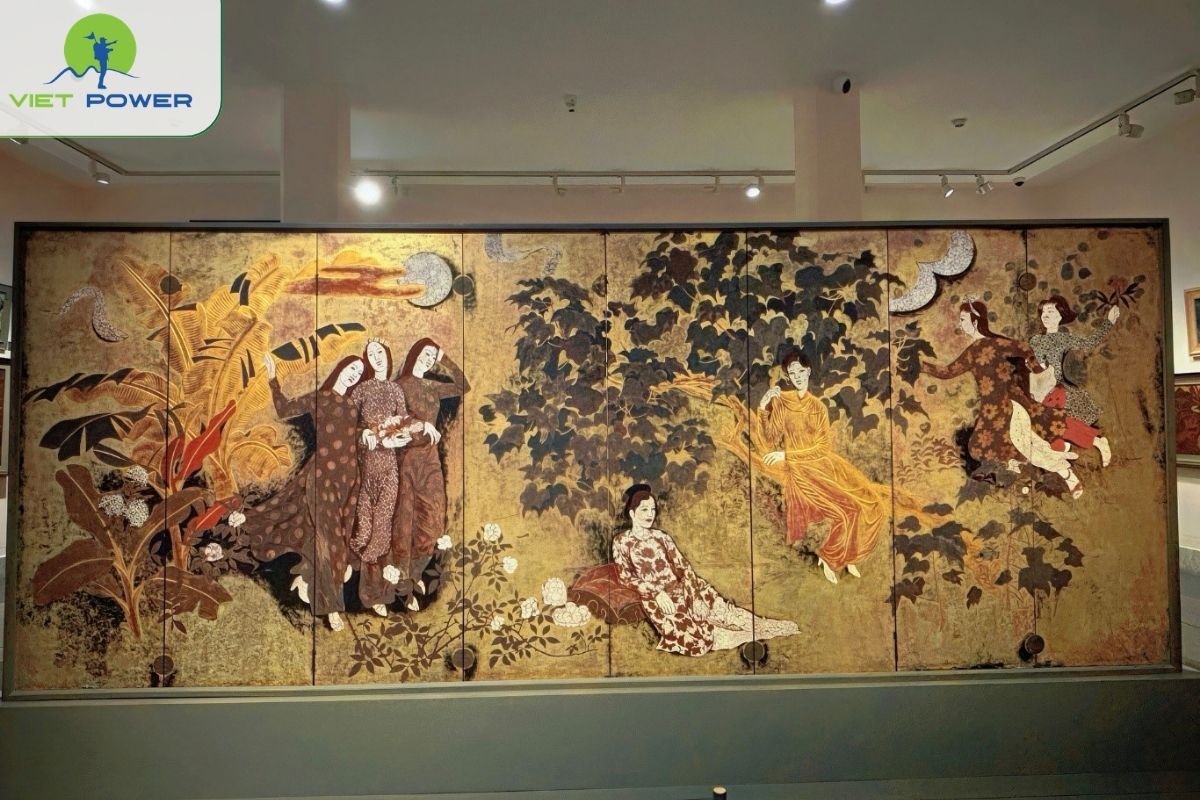
The museum is known for its 9 national treasures and several iconic works. Some of the best-known pieces include Little Thuy (Em Thúy) by Trần Văn Cẩn, Uncle Ho in the Viet Bac Resistance Zone (Bác Hồ ở chiến khu Việt Bắc) by Dương Bích Liên, Two Young Women and a Child (Hai thiếu nữ và em bé) by Tô Ngọc Vân, and The Folding Screen (Bình phong) by Nguyễn Gia Trí. These works help international visitors understand Vietnamese art, history, and cultural identity more clearly.
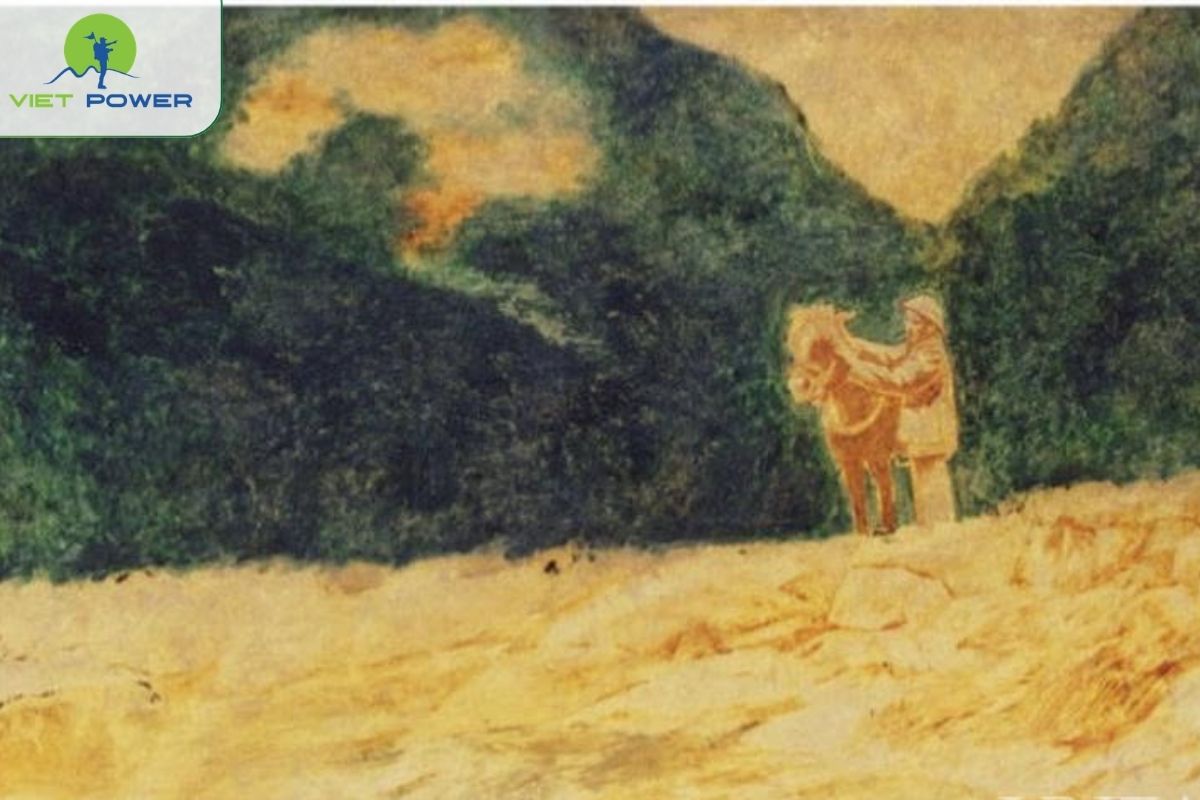
Traditional art is one of the main highlights of the museum. Visitors can explore several well-known forms of Vietnamese art, each showing different materials, techniques, and cultural meanings.
Lacquer stands out as one of the museum’s defining collections, beautifully merging traditional craftsmanship with a distinct cultural identity.
As you walk through the galleries, you can truly see how artists elevated lacquer from a simple decorative material into a celebrated fine art. This transformation is best captured in national treasures like Nguyễn Sáng’s powerful Admission to the Party at Dien Bien Phu and the elegant folding screens by Nguyễn Gia Trí.
With their rich textures, deep shine, and intricate layers of gold, silver, and crushed eggshell, these works showcase exactly why lacquer remains a signature of Vietnamese visual culture.
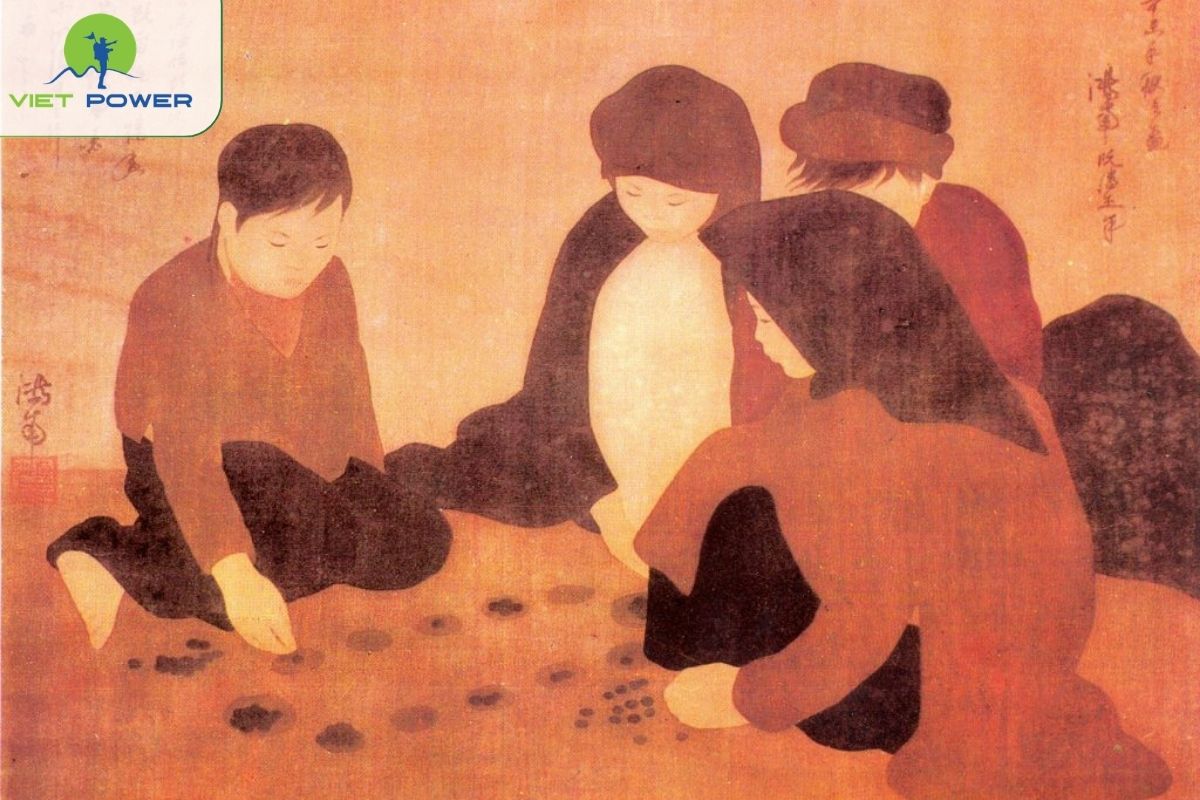
Vietnam silk paintings are another highlight of the museum. This medium is known for its soft color, gentle lines, and calm visual feel.
Masterpieces by pioneer artists, such as Nguyễn Phan Chánh’s famous Playing Squares (Chơi ô ăn quan), perfectly illustrate this signature style. Silk painting is valued for its refined beauty and often presents daily life, women, rural scenes, and quiet emotion in a very graceful way.
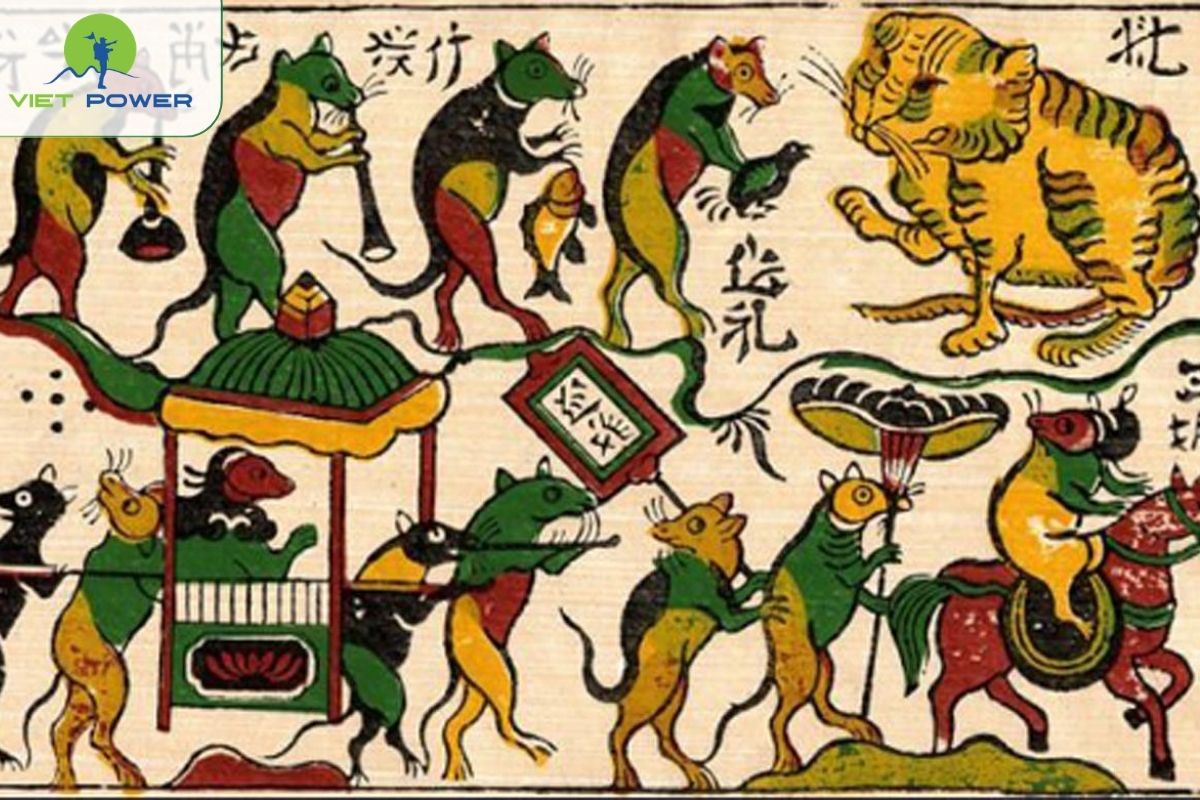
The museum also preserves many forms of Vietnam folk paintings, including Dong Ho, Kim Hoang, and Sinh Village styles.
Iconic pieces like the Dong Ho Mice's Wedding (Đám cưới chuột) or Yin-Yang Pig (Lợn đàn) showcase bright natural colors and familiar themes such as daily life, festive wishes, worship, and satire. Folk sculpture is also prominently featured in the collection.
Visitors can admire expressive woodcarvings from 16th to 18th-century communal houses (đình làng) and indigenous Central Highlands tomb statues, which deeply reflect long-standing customs, beliefs, and community life.
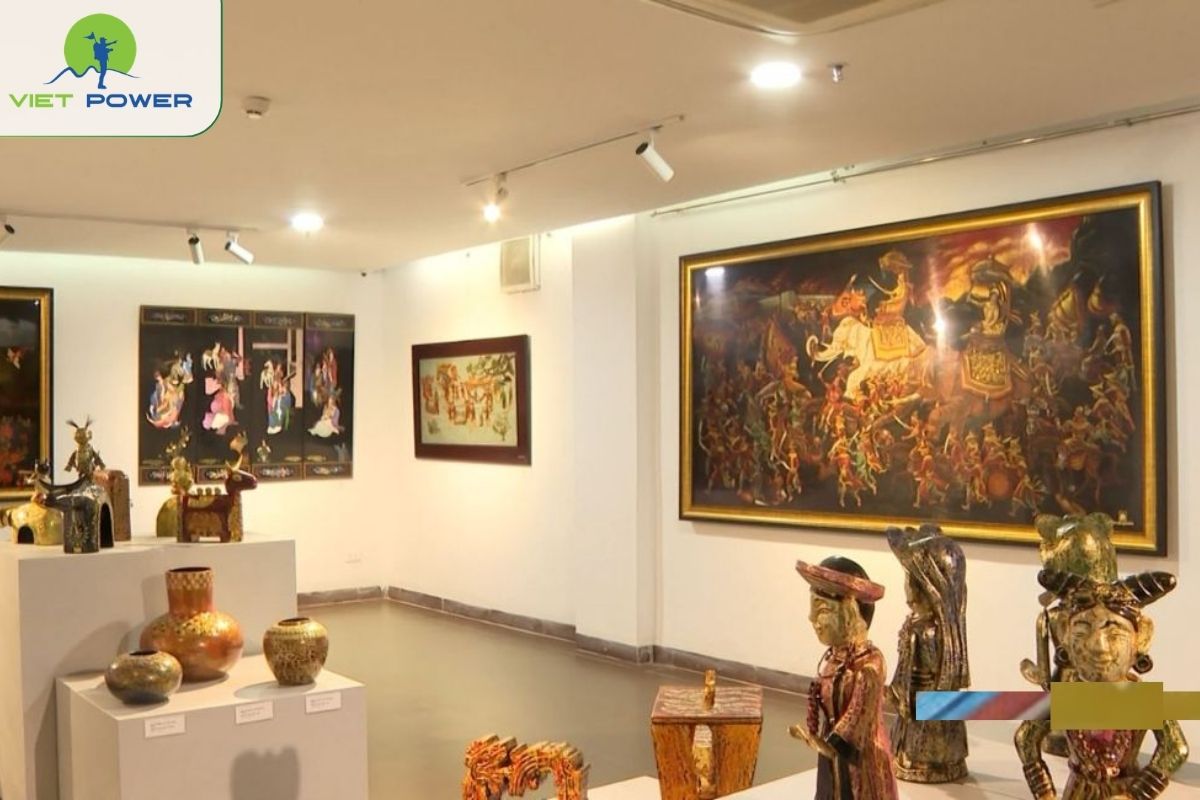
Traditional ceramics are another strong part of the museum. The collection includes glazed and unglazed ceramics from different periods, showing changes in style, decoration, and craft skill over time. Alongside ceramics, the museum also displays decorative and ritual objects that show how traditional craftsmanship appeared in daily life, religious practice, and worship.
Continue exploring similar posts to learn more about Vietnam’s diverse attractions and unique travel experiences. Our Vietnam tourist attractions category is filled with ideas to help you plan your perfect adventure.
This section introduces how Vietnamese art moved from traditional forms to modern expression. Visitors can see changes in materials, techniques, and artistic ideas through works from the 20th century.
The museum beautifully illustrates how modern art grew from indigenous traditions into entirely new forms. This transition became especially clear as artists combined rigorous academic training with everyday local themes.
For example, visitors can admire the iconic oil paintings of Bùi Xuân Phái, whose beloved Phố Phái (Phai's Streets) series applies Western post-impressionist techniques to capture the nostalgic, quiet essence of Hanoi's Old Quarter.
By merging imported artistic methods with deep cultural roots, these pioneers successfully created a unique visual language for Vietnam.
In the modern galleries, the mastery of new and reinvented mediums like oil, lacquer, and silk truly shines. A powerful and moving segment of this collection is dedicated to wartime art, where painting served as a vital record of national struggle, patriotism, and resilience.
Striking works, such as Tô Ngọc Vân's poignant battlefield sketches from the Dien Bien Phu campaign and Trần Văn Cẩn's bold oil portrait Coastal Militia Woman (Nữ dân quân miền biển), capture the harsh realities and quiet heroism of the era. These masterpieces show that modern Vietnamese art is not just about aesthetics, but is deeply intertwined with the country’s history and identity.
Continue exploring similar posts to learn more about Vietnam’s attractions and experiences:
The Vietnam Fine Arts Museum is worth visiting for many types of travelers, especially those who want a quieter and more meaningful cultural experience in Hanoi.
Yes, the museum is worth visiting, especially for travelers who enjoy culture and slower-paced sightseeing. It stands out for its peaceful atmosphere, strong collection value, rich historical depth, and convenient central location.
Compared with many crowded tourist sites, the museum offers a calmer experience and gives visitors more time to appreciate the artworks in a relaxed setting.
The museum is a good fit for several types of travelers. It is especially suitable for:
These visitors often enjoy taking time to look closely at the collections and understand how Vietnamese art developed across different periods.
The museum is also a good choice for families, especially those traveling with school-age children.
One useful feature is the Creative Space for Children, where young visitors can join simple hands-on activities and explore art through direct experience.
This makes the visit more engaging for children and gives parents a more relaxed indoor cultural option in Hanoi.
The museum has strong educational value for students because it presents Vietnamese art across different historical periods and artistic forms. It is especially useful for students interested in:
By visiting the museum, students can better understand how Vietnamese visual culture developed over time, from traditional forms to modern artistic expression.
You do not need to be an art expert to enjoy this museum. The layout is clear, the collections are well organized, and the visual experience is easy to follow. Even first-time museum visitors can enjoy the space and come away with a better understanding of Vietnamese culture.
Turn your dream of discovering Vietnam into reality with a personalized tour crafted by Vietpower Travel.
A few simple tips can help you enjoy the museum more comfortably and make your visit smoother. Preparing in advance allows you to explore the galleries at a relaxed pace and get more value from the experience.
Wear comfortable shoes because you will spend a fair amount of time walking through galleries. A light bag is easier to carry in the museum than a large backpack. If photography is allowed in certain areas, bring a camera or phone and keep the flash off.
To protect the collections and keep the visit comfortable for everyone, it is best to follow a few simple rules:
These small habits help preserve the calm setting that many visitors enjoy.
A better visit does not mean seeing everything as quickly as possible. Try focusing on a few major collections, such as traditional art, modern painting, or national treasures. Using the audio guide can make the displays easier to understand, especially if you want more context.
It is also a good idea to take short breaks instead of rushing through every room, as this usually leads to a more enjoyable, quiet museum experience.
The Vietnam Fine Arts Museum and the Temple of Literature are very close to each other, so they are easy to visit in one trip. This pairing works well for travelers who want a balanced cultural route in central Hanoi, combining art, education, and history.
A half-day is usually enough for both sites. You can visit the museum first and then continue to the Temple of Literature, or do the route in reverse. If you have more time, you can also extend the visit to nearby landmarks such as Hoang Thanh Thang Long, One Pillar Pagoda, and the Ho Chi Minh Mausoleum area.
The Vietnam Fine Arts Museum is a worthwhile stop for travelers who want to experience Vietnam’s artistic heritage in a calm and accessible setting. With its central Hanoi location, wide range of collections, and practical visitor information, it fits well into both short city visits and deeper cultural itineraries. Whether you come for the highlights or spend more time exploring the galleries, the museum adds real cultural depth to your journey.
Add it to your Hanoi plan and let it be one of the inspiring stops on your trip through Hanoi Tourist Attractions as you discover the beauty of traveling in Vietnam.
Please kindly send us your ideas about the tours: destinations, attractions, your group, hotel class... we will get back to you with details & best offers quickly. Surely, you will feel satisfactory!
 |
 |
 |
 |
 |
 |

.jpg) Customize Your Trip
Customize Your Trip
 Vietnam Tours
 Thailand Tours
 Laos Tours
 Indonesia Tours
 Cambodia Tours
 Myanmar Tours