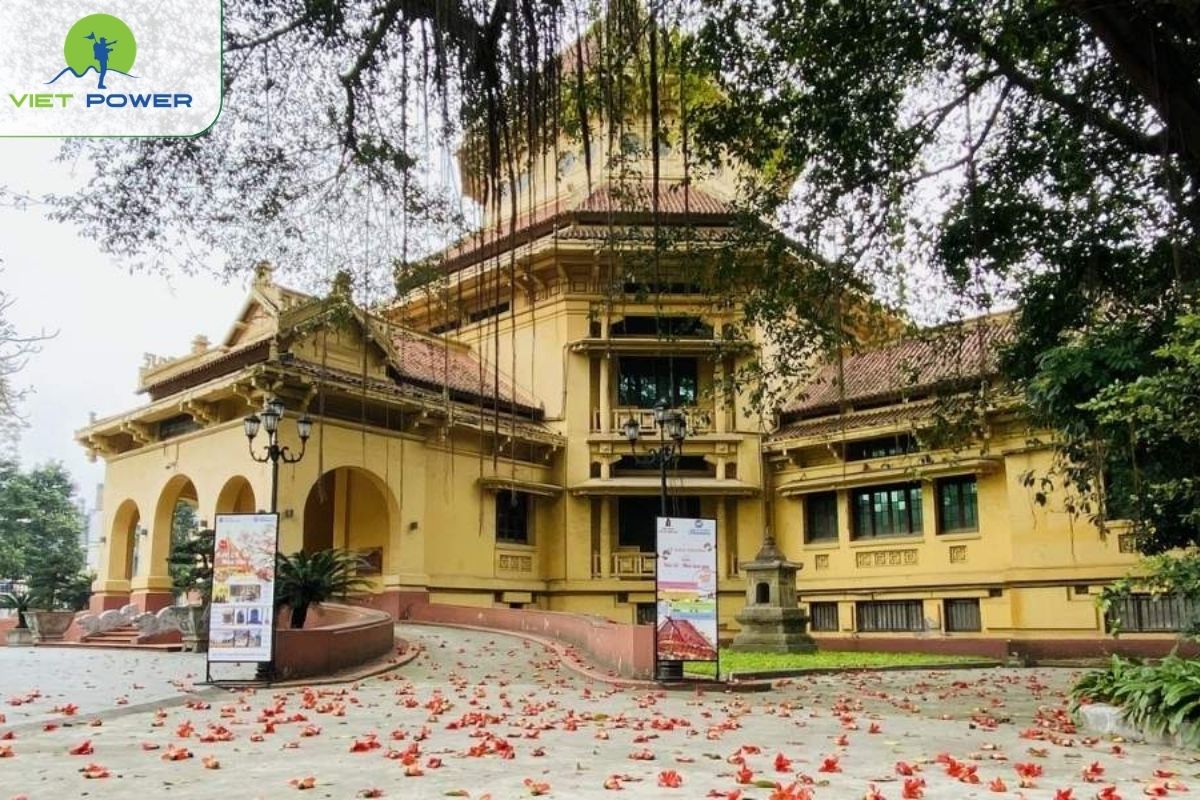
The Vietnam National Museum of History is one of the most meaningful places to visit in Hanoi for travelers who want to understand the country through its past. Located in Hoan Kiem District, the museum presents a broad historical timeline from prehistoric Vietnam to the modern era through historical artifacts, archaeological collections, Dong Son bronze drums, Cham objects, and royal collections.
For travelers planning a richer journey in Hanoi, Vietpower Travel sees the museum as a valuable stop that adds context to the rest of the city. After visiting the museum, it becomes easier to appreciate nearby landmarks, heritage sites, and other cultural experiences in a more informed way.
The Vietnam National Museum of History offers a clear introduction to the country’s past through well-organized collections and a wide historical timeline. Visitors can explore key periods, major artifacts, and cultural developments, making this museum a strong starting point for understanding Vietnam before visiting other historical sites.
The Vietnam National Museum of History is in Hoan Kiem District, Hanoi and has two sites:
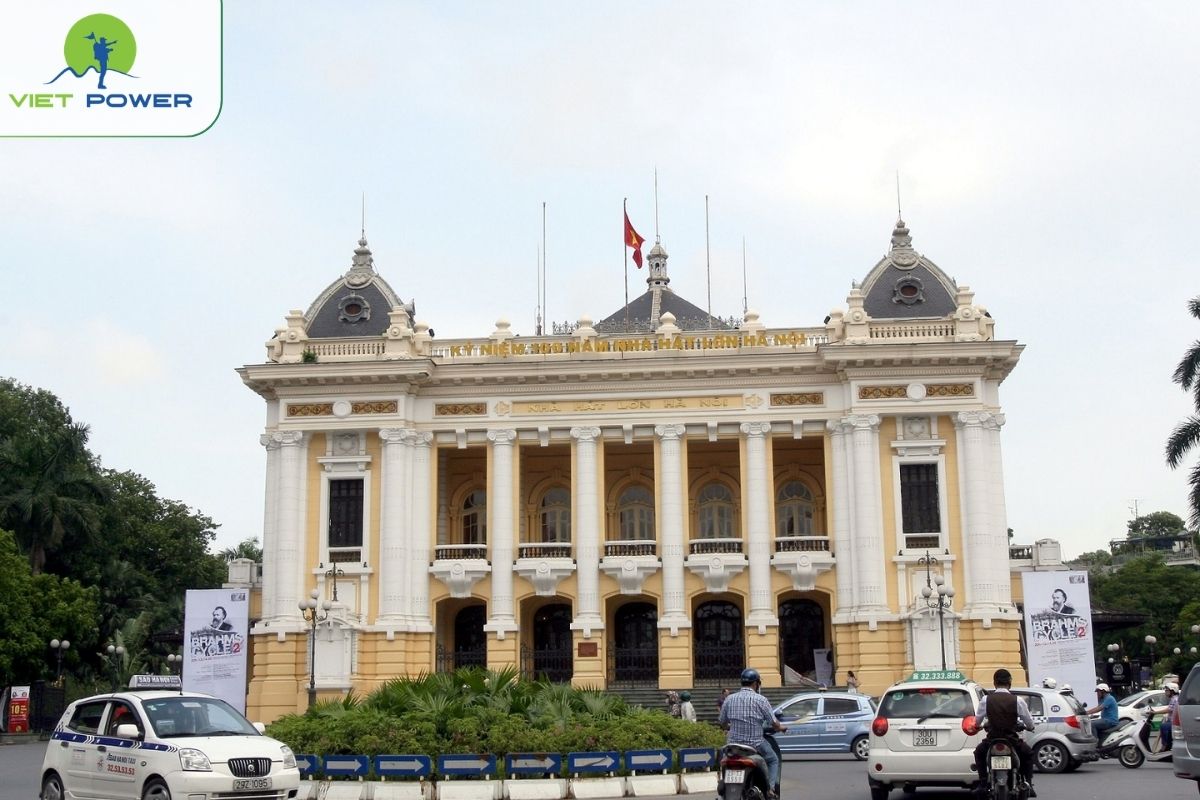
Both sites are in central Hanoi. The museum is close to the Hanoi Opera House and within easy reach of Hoan Kiem Lake, so it fits well into a short city itinerary and other Hanoi cultural attractions.
The Vietnam National Museum of History entrance fee is generally affordable for both domestic and international visitors. Based on the most consistent pricing across the available source set, the museum charges 40,000 VND for adults, 20,000 VND for students, and 10,000 VND for school students.
Some visitors can enter free of charge, including children under six and people in eligible disability categories. Reduced prices may also apply to older visitors and selected policy-benefit groups.
Visitors may also pay extra for some services. The most commonly cited fees are 15,000 VND for photography and 30,000 VND for video recording, while some sources also mention an audio guide service in selected languages.
Yes, the Vietnam National Museum of History is worth visiting in Hanoi, especially for travelers interested in history and culture. It covers a long timeline from early civilizations to modern Vietnam, so visitors can understand the country more clearly through its artifacts and exhibitions.
Its central location in Hoan Kiem District also makes it easy to combine with other Hanoi cultural attractions, and the French colonial architecture adds extra appeal.
This museum is a good fit for history lovers, museum visitors, students, and first-time travelers who want a useful background before visiting other heritage sites in Vietnam.
However, it may be less suitable for visitors focused mainly on shopping, nightlife, or quick photo stops. In that case, a shorter visit of one to two hours is usually enough to see the main highlights.
You can find more posts related to this topic in our Vietnam tourist attractions category. Explore detailed travel guides, destination highlights, and inspiration for your next journey through Vietnam.
The Vietnam National Museum of History presents a wide timeline of Vietnamese history through carefully arranged collections. Visitors can see materials from prehistoric life, early cultures, imperial courts, and the modern revolutionary era. This makes the museum a strong place to understand Vietnam Culture through real objects rather than general descriptions.
The museum begins with historical artifacts from prehistoric Vietnam. These displays include stone tools, early human traces, and objects linked to settlement and daily life. They help visitors see how people lived in very early periods and how the first communities developed on Vietnamese land. This section gives a useful introduction to Vietnam ancient history displays and the earliest stages of the country’s past.
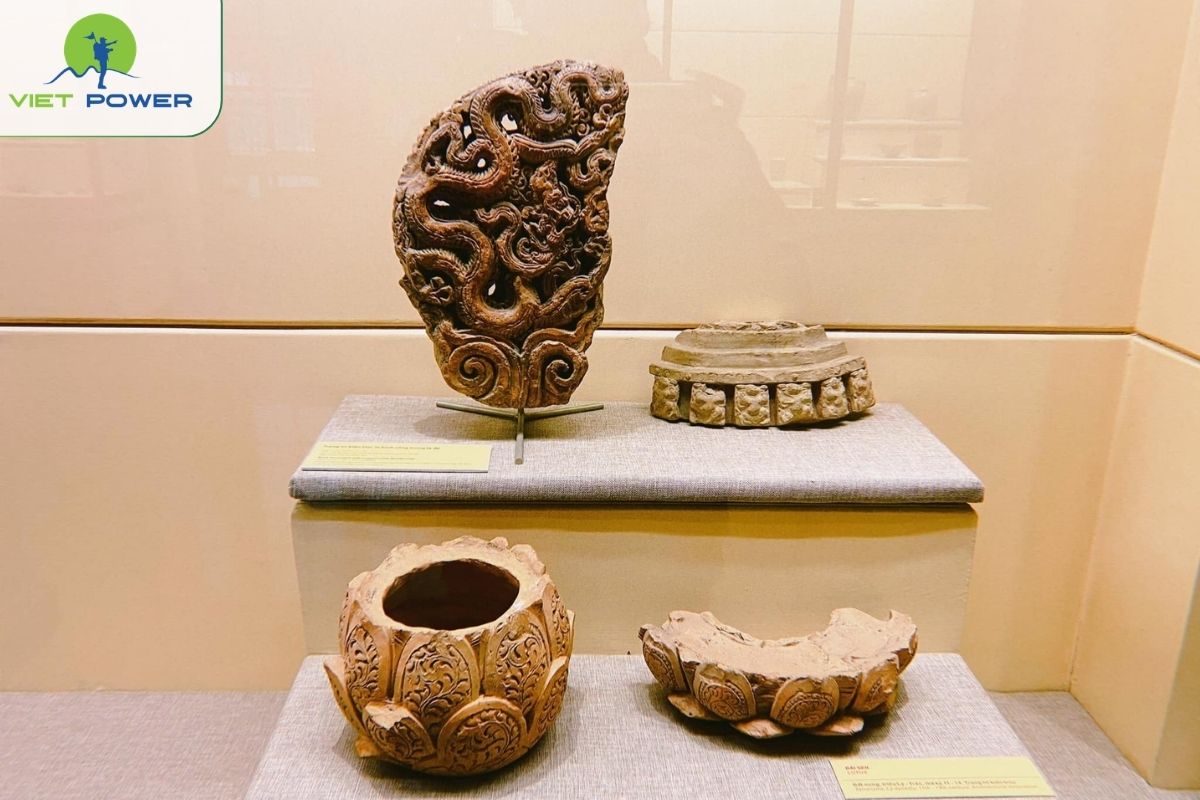
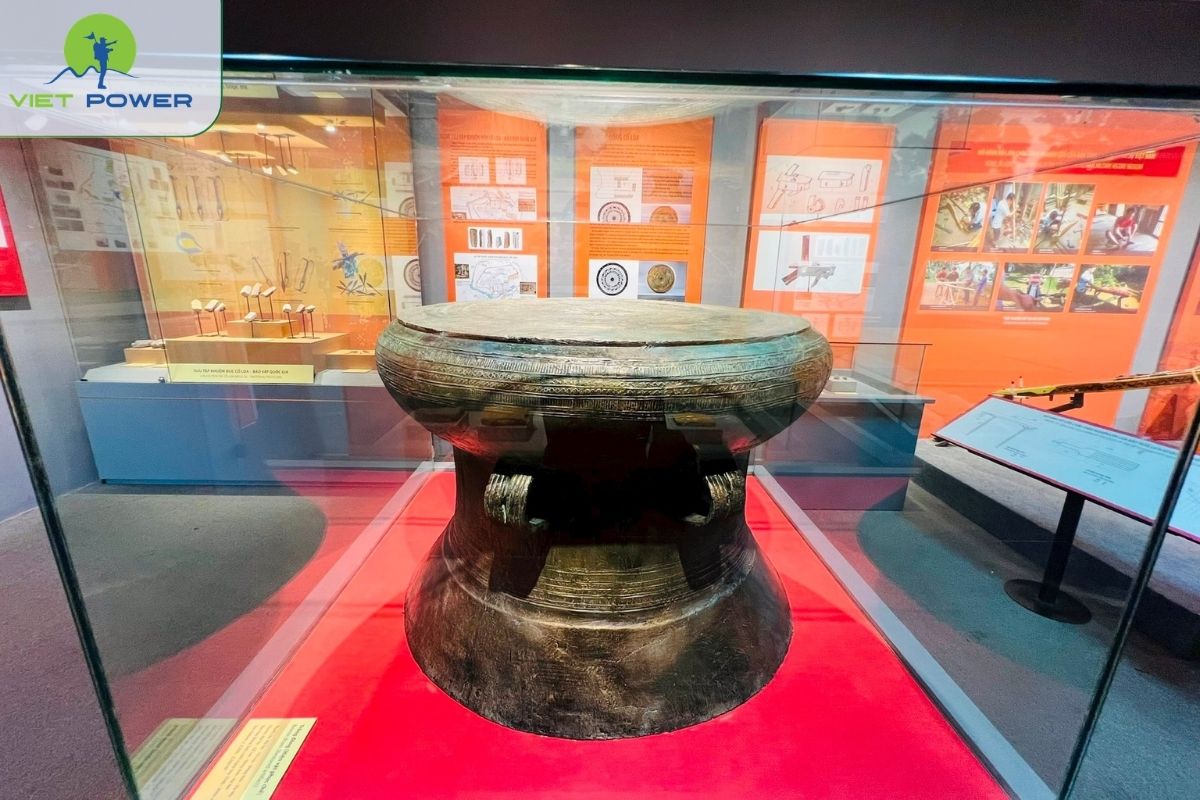
One of the museum’s best-known highlights is its collection of Dong Son culture artifacts. This culture is closely tied to the growth of early Vietnamese society and advanced bronze craftsmanship. The most iconic objects are the bronze drums Vietnam is famous for, which are valued for both their artistic quality and symbolic meaning. They reflect ritual life, social status, and cultural identity in early Vietnam.
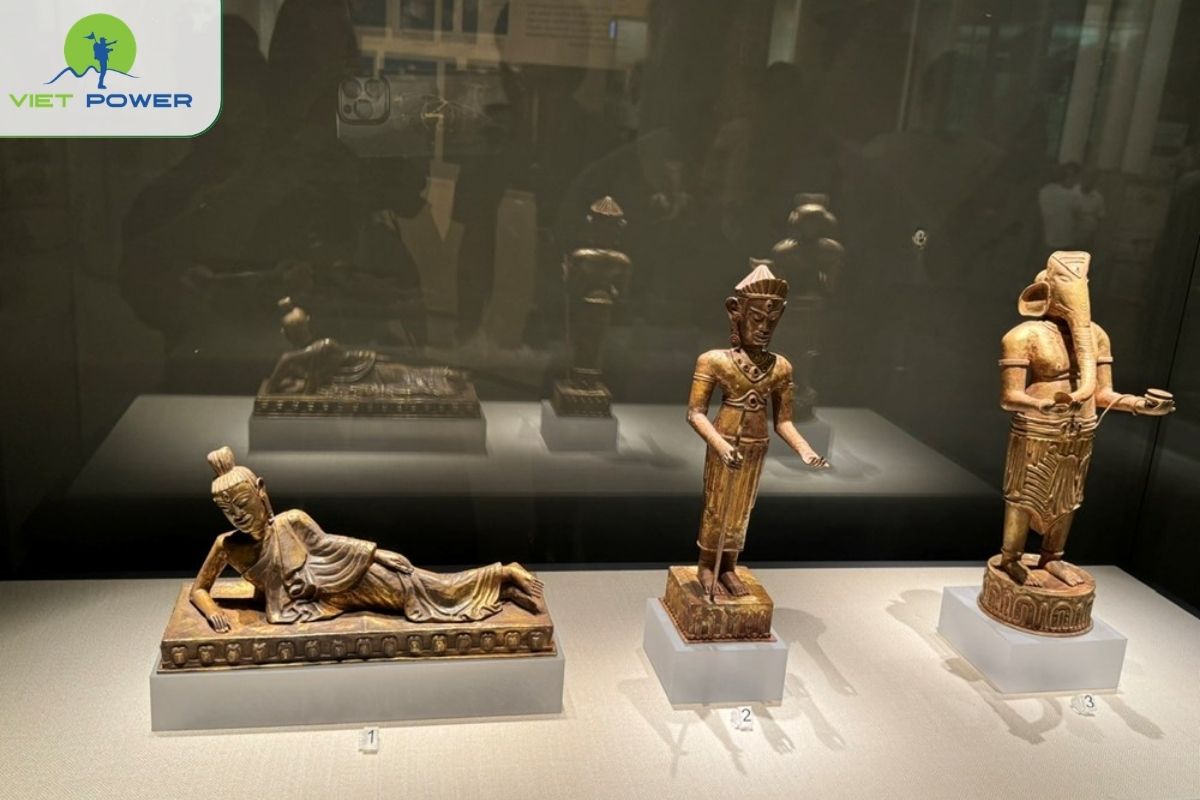
Visitors can also explore Cham civilization artifacts and other archaeological collections Vietnam has preserved across different historical regions. These include sculpture, religious objects, and ceremonial items that show the beliefs and artistic traditions of earlier societies. This section is useful because it highlights the regional diversity of Vietnamese history and also places the museum within a broader Southeast Asian cultural setting.
The museum’s royal artifacts Vietnam section includes seals, court objects, ceramics, and other dynasty-era items. These displays show how power, ceremony, and state authority were expressed through material culture. For visitors interested in imperial history, this part of the museum offers a clearer view of court life and the visual language of monarchy in Vietnam.
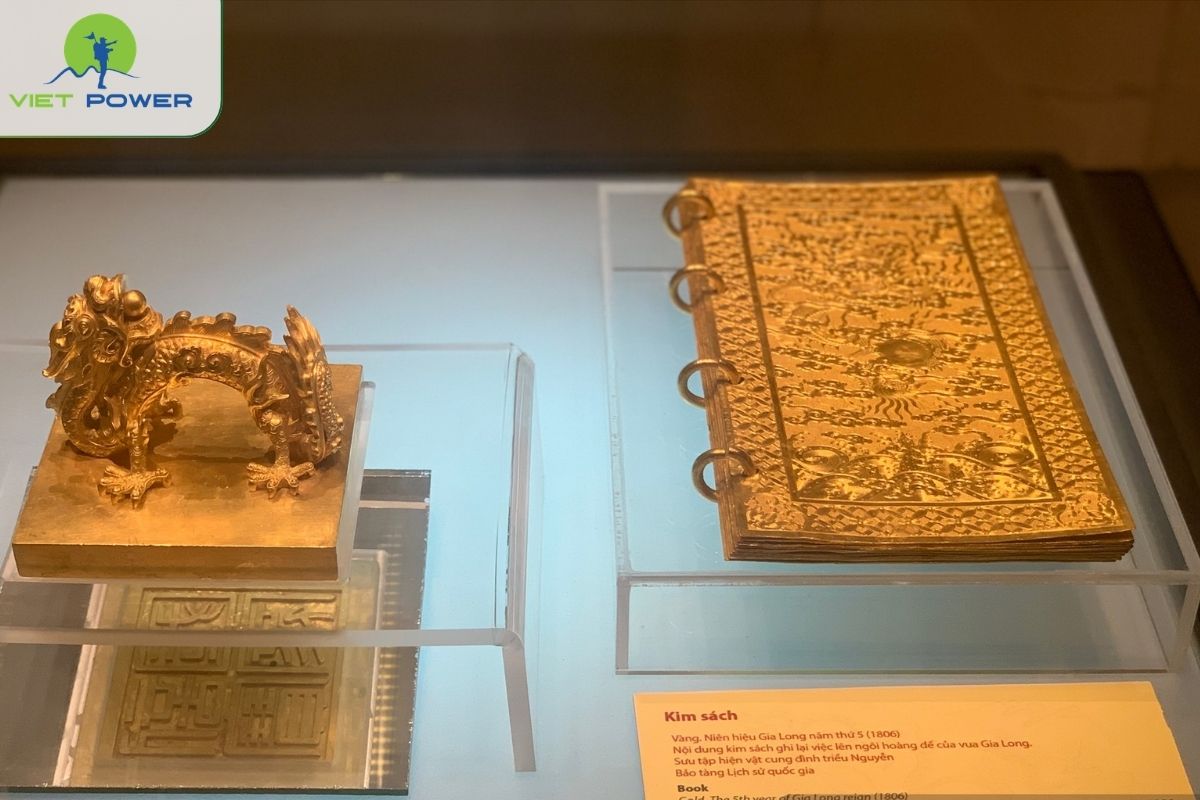
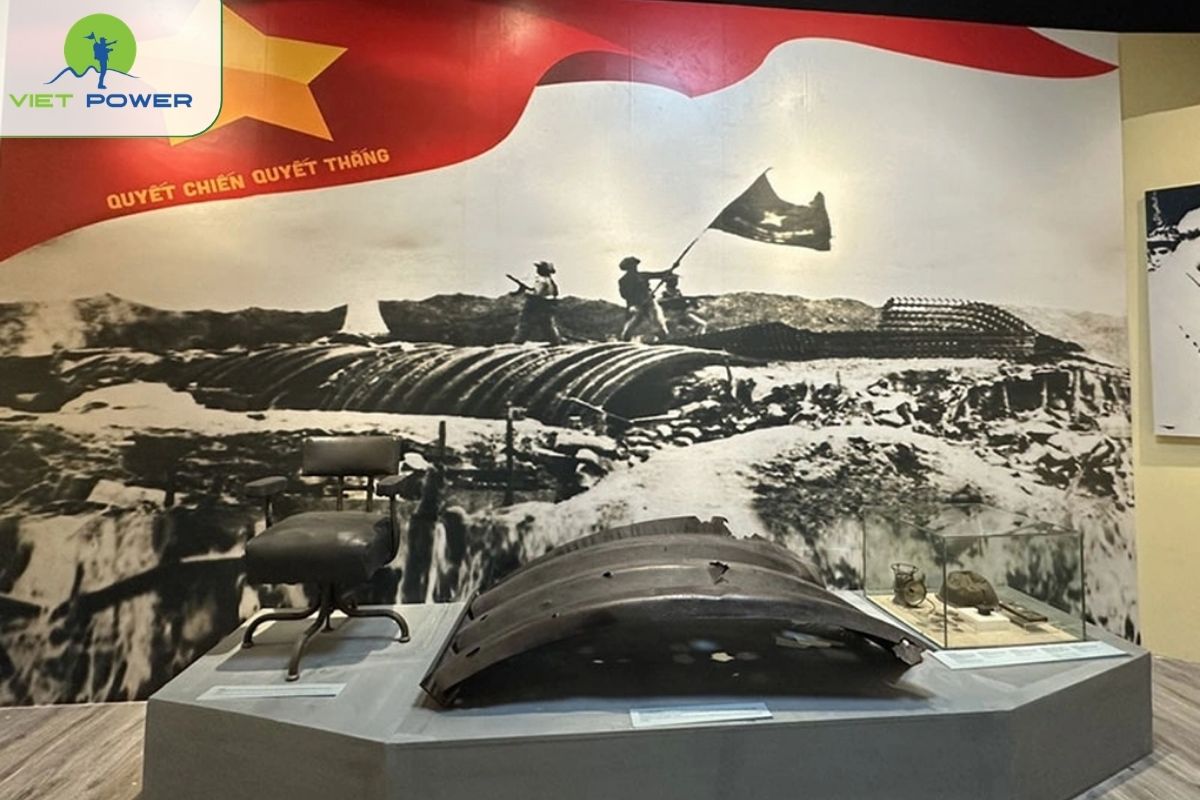
The museum also covers the colonial period, major revolutionary movements, wartime change, national reunification, and modern development. These displays help visitors connect ancient and imperial history with the events that shaped present-day Vietnam. As a result, the museum offers a full historical journey rather than a single-period collection.
You can find more posts related to this topic in the category below:
For most travelers, 2 to 3 hours is enough for a well-paced visit to the Vietnam National Museum of History. This timeframe allows you to understand the main historical timeline while keeping your schedule flexible for other Hanoi cultural attractions.
To make the most of 2–3 hours, you can follow this simple route:
First 30–45 minutes: Start with the prehistoric and early civilization sections. Focus on stone tools, early settlement traces, and key Vietnam ancient history displays to understand the beginning of Vietnam’s history.
Next 45–60 minutes: Move to the highlight collections, especially Dong Son culture artifacts and bronze drums Vietnam is known for. Then continue to Cham civilization artifacts and major archaeological displays. These are among the most visually engaging parts of the museum.
Final 45–60 minutes: Finish with royal artifacts Vietnam and the sections on colonial and modern history. This helps you connect ancient history with later dynasties and the development of present-day Vietnam.
Museums offer one of the clearest ways to understand Vietnam beyond scenery and food. They give travelers the background behind famous landmarks, explain how different regions developed, and bring together history, art, royal heritage, and local traditions in a way that is easy to follow. For anyone planning a cultural trip, adding a Museum in Vietnam to the itinerary can make other Vietnam Tourist Attractions feel more meaningful.
Your ideal Vietnam getaway starts here - Vietpower Travel will create a tailor-made journey designed around you.
The Vietnam National Museum of History is located in central Hoan Kiem District, making it easy to connect with nearby landmarks on foot. Below is a simple route that helps you explore key Hanoi cultural attractions in a short time.
This route is ideal if you have around 3–4 hours and want to combine history, architecture, and a relaxed walk through the city center.
|
|
|
|
|
|
|
|
|
|
|
|
|
|
|
|
|
|
|
|
|
|
|
|
|
|
|
|
|
|
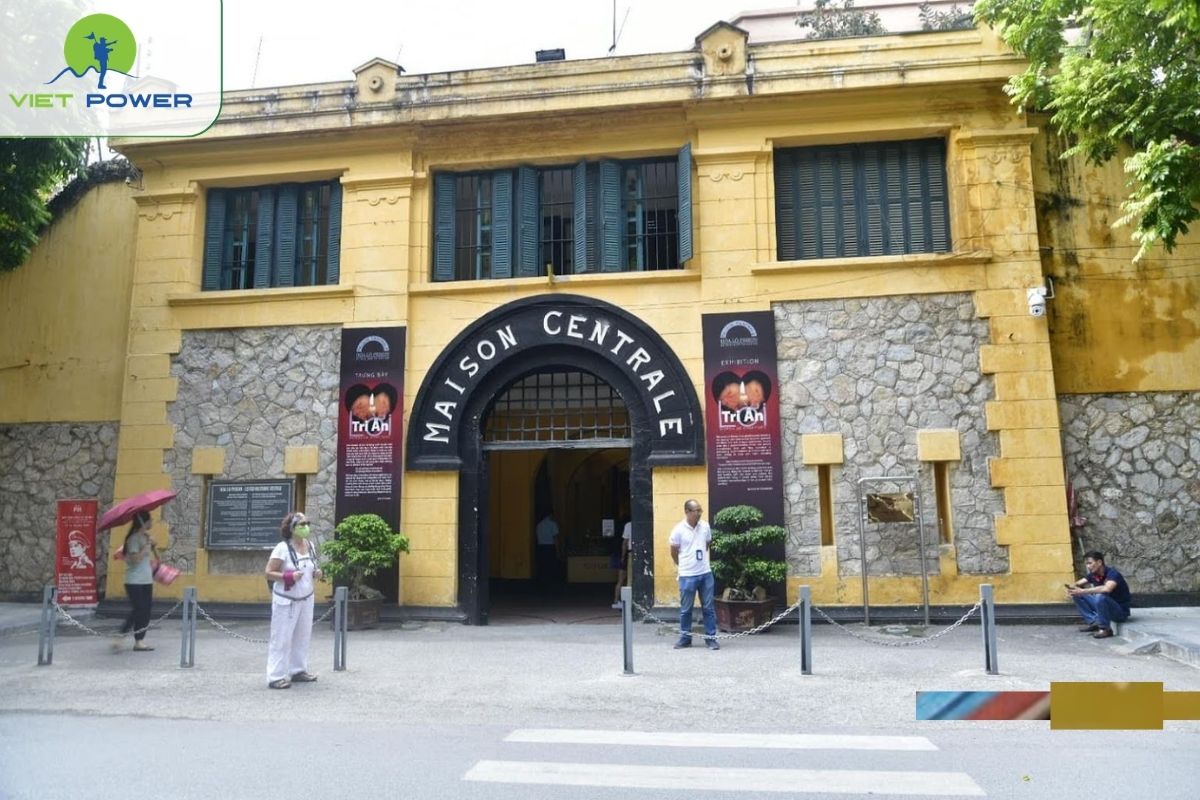
If you have more time, you can extend your visit by adding nearby museums and heritage sites. This option works well for travelers who want a deeper understanding of Vietnam Culture in one day.
|
|
|
|
|
|
|
|
|
|
|
|
|
|
|
|
|
|
|
|
|
|
|
|
Continue exploring similar posts to learn more about Vietnam’s attractions and experiences:
Before visiting the Vietnam National Museum of History, a few simple preparations can help you plan your time better and enjoy a smoother visit. These tips are useful if you want a clear and comfortable cultural learning experience at one of the most well-known Hanoi history museum sites.
Best time of day to visit
The best time to visit is in the morning, when the museum is quieter and easier to explore. Arriving early allows you to move through the galleries at a steady pace and avoid crowds. If possible, choose a weekday, as weekends and holidays can be busier.
What to wear and bring
Wear comfortable clothes and walking shoes, as you will spend time moving between exhibition areas. Bring a small bottle of water, especially if you plan to stay for 2–3 hours. A phone or small notebook can help you keep track of key information if you are interested in learning more about the exhibits.
Photography rules and museum etiquette
Follow basic museum rules to keep the visit respectful and organized. Do not touch the artifacts, keep noise low, and follow any signs in each gallery. Photography is usually allowed, but some areas may require an extra fee or have restrictions, so check before taking photos or videos.
The Vietnam National Museum of History offers a clear and well-rounded view of Vietnam’s development, with a central location, affordable tickets, and a flexible 2–3 hour visit. It fits easily into any Hanoi itinerary while adding historical context to nearby landmarks and cultural sites. It is also one of the most worthwhile stops among Hanoi Tourist Attractions for visitors interested in culture, heritage, and history.
Come and explore Vietnam to experience its rich past, vibrant cities, and unforgettable cultural charm for yourself
Please kindly send us your ideas about the tours: destinations, attractions, your group, hotel class... we will get back to you with details & best offers quickly. Surely, you will feel satisfactory!
 |
 |
 |
 |
 |
 |

.jpg) Customize Your Trip
Customize Your Trip
 Vietnam Tours
 Thailand Tours
 Laos Tours
 Indonesia Tours
 Cambodia Tours
 Myanmar Tours